

Why a rigorous, data-driven view of the top global firms matters right now
In 2026, the world of business moves faster than ever. For leaders and smart investors, there is a flood of information every day. It can feel like trying to drink from a firehose. You hear about new technologies, market changes, and important company news all the time. This huge amount of data can make it hard to tell what’s truly important and what’s just noise. Everyone needs clear, useful ideas to make good choices.

This is why looking closely at the world’s biggest companies is so important. A great way to understand this is by studying lists like the annual Forbes Global 2000. This famous list ranks the top public companies around the globe. It looks at four key things: how much money they sell, how much profit they make, how much stuff they own, and their value in the stock market. Knowing about these companies gives us a peek into the global economy.
But just knowing the names isn’t enough. We need to go deeper. This article will help you cut through the confusion. We bring together insights from many different places. Think of it as combining facts from important reports, rules companies must follow, and signs from the market. We’ll look at what top research groups like Euromonitor International are saying, what’s happening in global finance, and the latest stock market news today. Our goal is to give you clear, actionable takeaways. This way, you can move past the everyday headlines you might see on sites like Zerohedge News and focus on what truly matters for your decisions. It is important to filter Yahoo Finance news for big tech market insights to avoid the noise.
For those who want to stay even more informed on the fastest-moving trends in technology, especially AI, we have a special resource.
Get clear daily AI updates from The Deep View Newsletter.

The AI Newsletter Worth Reading
Global market concentration and ranking signals: what the top 2,000 firms reveal
Going deeper into the world of major companies means looking at how power is spread out. We call this "market concentration." It tells us if a few very big companies hold most of the value and money in different parts of the world or in certain types of business. The Forbes Global 2000 list is a great tool to see these shifts. It helps us understand which companies are growing and which ones are leading.
In 2026, we see some interesting changes. For example, some regions might have a few huge companies taking up most of the market share, while other regions have more companies sharing the pie. The same goes for different industries. Technology and finance often show high concentration, meaning a handful of giants dominate. But even within these, the leaders can change. Insights from groups like Euromonitor International help us track these big picture movements in global finance. We can see how revenue share and market value move around among the top firms, and this shows how the world market order is being reshaped.
Understanding how these companies are ranked is just as important as knowing who is on the list. The Forbes Global 2000 has a clear way of doing things. They have used the same basic rules since 2003. They look at four equally important things for each company:
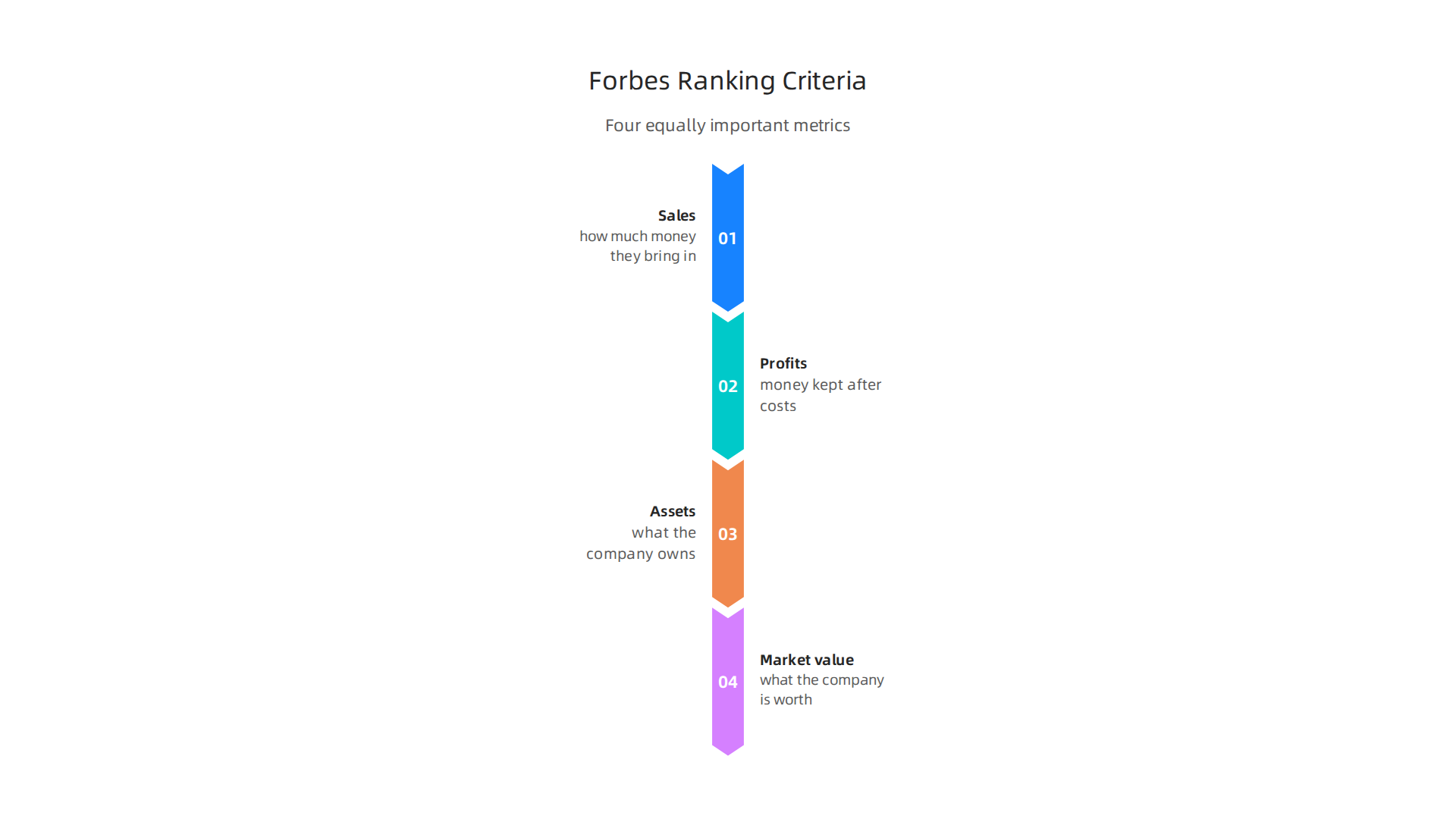
- Sales (how much money they bring in)
- Profits (how much money they keep after costs)
- Assets (what the company owns)
- Market value (what the company is worth on the stock market)
Forbes gathers this data from reliable sources to make sure the list is fair and accurate each year. This careful approach helps us compare companies year after year. If the way they ranked companies changed often, it would be hard to tell if a company was truly growing or just looked better because of new rules. This consistent method allows us to see true trends in the top industries in the world. We can trust that changes in a company’s rank mean something real about its business strength. You can learn more about how Forbes compiles its list from their own explanation of the Forbes Global 2000 Methodology. This level of detail helps us move beyond simple headlines and understand the real financial movements happening today.
Financial trends among platform companies: revenues, margins, and capital intensity
Knowing how companies like those on the Forbes Global 2000 list are ranked is a good start, but to really understand their health, we need to look at their money numbers. This is especially true for platform and cloud-native companies. These businesses, which often grow very quickly, have a few key financial signs we watch closely.
These signs tell us if a company is truly strong or just looks good on the surface.
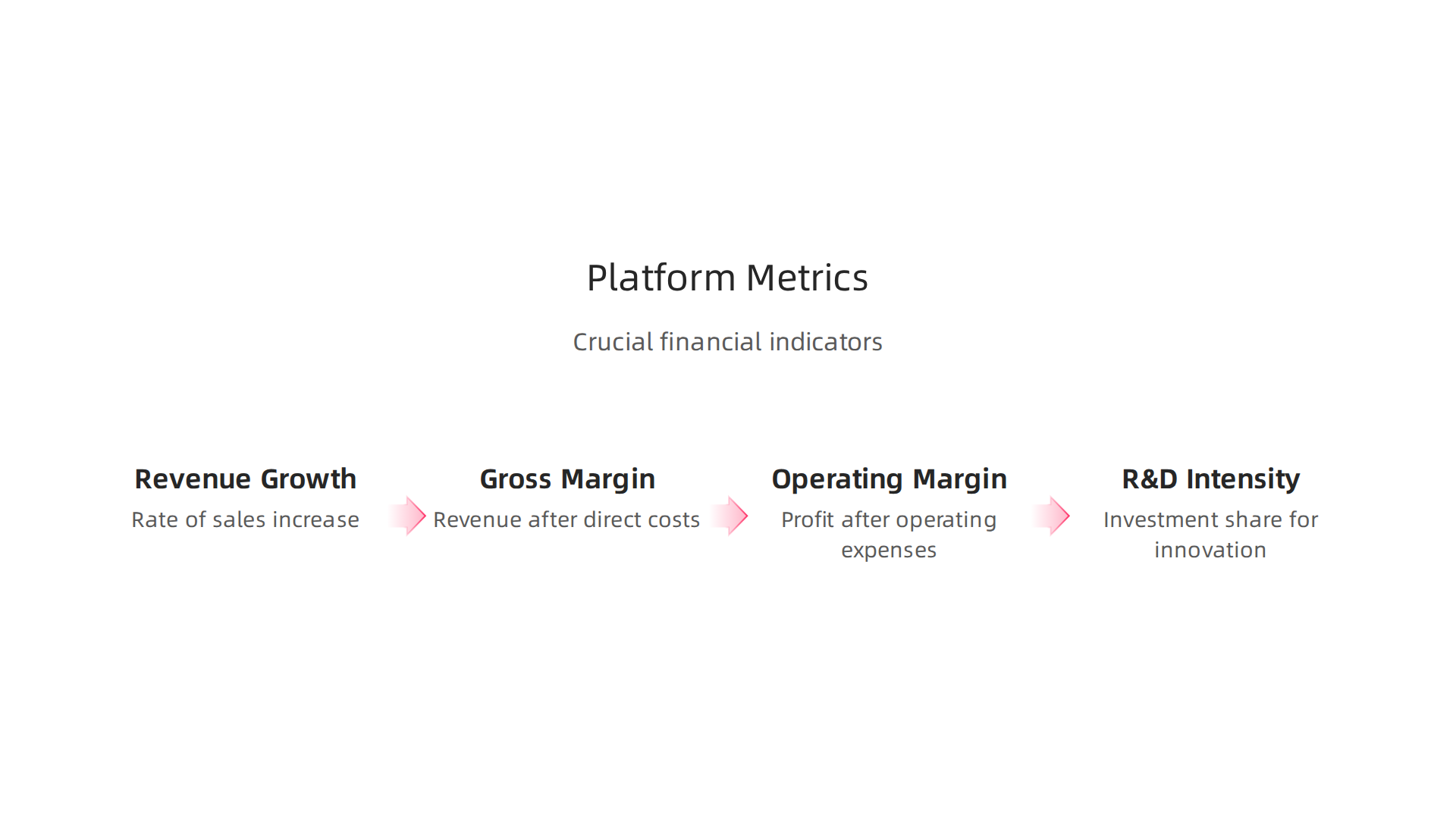
First, we look at revenue growth. This is simply how fast a company’s sales are going up. For tech and platform companies, fast growth often means they are winning new customers and expanding their reach. But it’s not just about getting bigger; it’s about making money, too. This brings us to margins.
Margins tell us how much profit a company makes from its sales. There are a few kinds:
- Gross Margin: This shows how much money is left from sales after paying for the direct costs of making a product or service. A high gross margin is a good sign that the company’s core business is healthy.
- Operating Margin: This goes a step further, showing how much money is left after paying for direct costs AND all the costs of running the business, like salaries and rent. Companies with strong operating margins have more money to invest in the future. In 2026, many leading tech companies aim for solid operating margins to fuel their next big ideas.
Another important number is R&D intensity. This stands for Research and Development intensity. It measures how much money a company puts back into creating new things and improving old ones, compared to its total sales. For platform and cloud-native firms, spending on R&D is super important to stay ahead, especially with how fast artificial intelligence (AI) is changing everything. High R&D intensity suggests a company is serious about innovation and future growth, which can be a strong signal for investors, as detailed in reports on Research and Development Screener Excel.
Reading the signs: finding clues in company reports
Watching these numbers closely in financial reports can help you spot important changes early. Sometimes, a company might show anomaly signals in its quarterly reports. These are small shifts that can hint at bigger strategy changes. For example, if a company that usually boasts huge revenue growth suddenly sees that growth slow down, it could be a sign of trouble or a shift in focus. Likewise, a sudden drop in profit margins or a big change in R&D spending might mean the company is changing direction or facing new challenges.
Keeping an eye on these kinds of financial news, often found on sites like Zerohedge News or through careful analysis of stock market news today, can give you a better picture than just looking at the top company rankings. While lists like the Forbes Global 2000 give a great overview, digging into the numbers offers a deeper understanding of each company’s true financial health and future plans. For a comprehensive look at market insights, it helps to Filter Yahoo Finance News for Big Tech Market Insights Without the Noise.
Understanding these trends, especially in global finance, helps you make better sense of what Euromonitor International and other market watchers are reporting. For those who want to keep up with the fast-paced world of AI and its impact on these companies, there’s an excellent resource.
Get clear daily AI updates from The Deep View Newsletter. The AI Newsletter Worth Reading
The financial health numbers we just talked about don’t only tell us about one company. They also show us how whole parts of the economy, or "sectors," are changing. In 2026, some sectors are growing very fast and making a bigger mark on important lists like the Forbes Global 2000.
Which sectors are growing?
The biggest change is seen in companies that work with Artificial Intelligence (AI) and cloud computing.
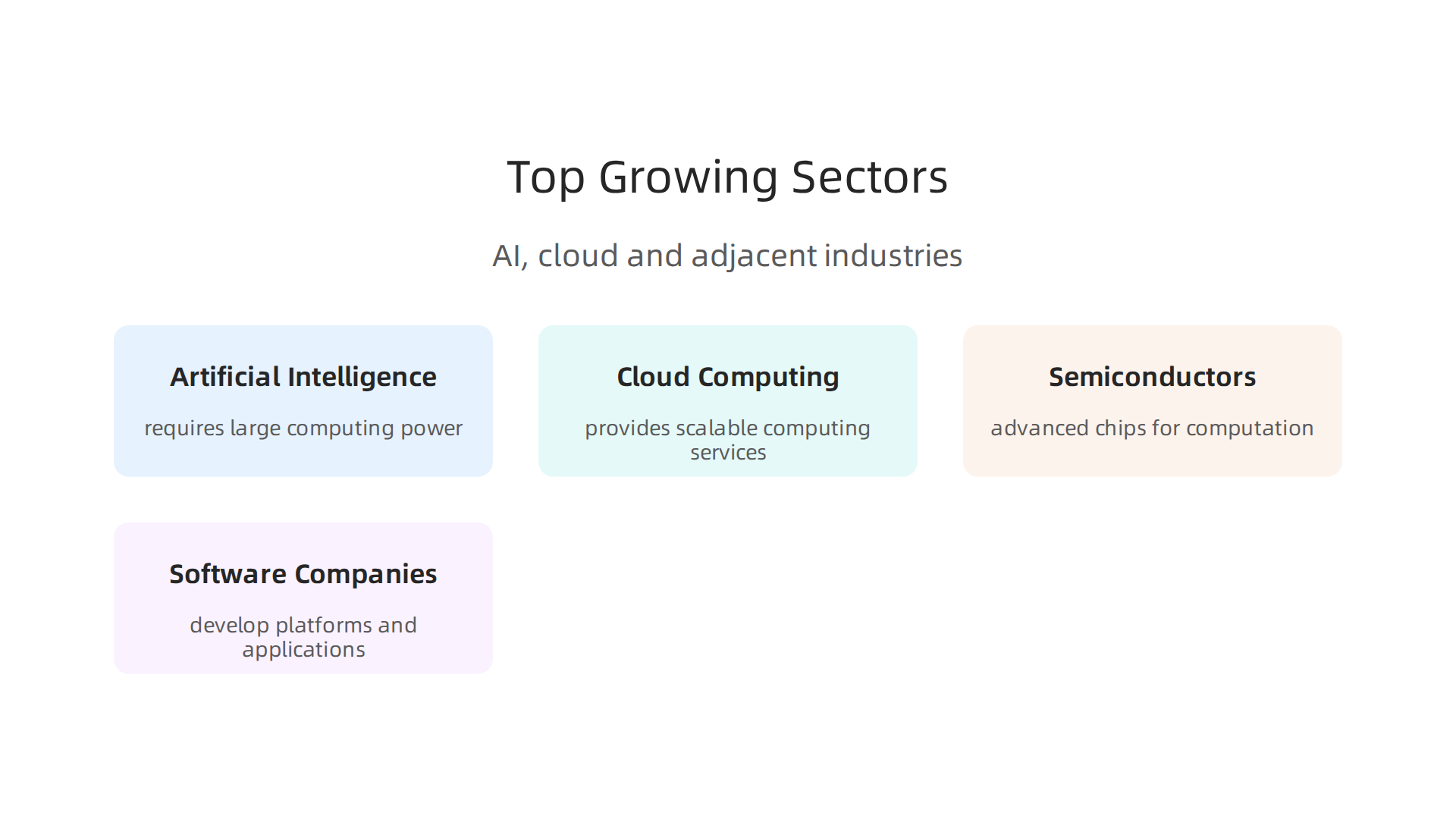
These two areas are growing hand in hand. AI needs a lot of computer power, and cloud services provide that power. The market for cloud AI is huge and growing quickly. For example, some reports show that the cloud AI market was valued at about $154.07 billion in 2026 and is expected to grow to over $600 billion by 2030 or 2032 Cloud AI Market Report 2026. Another study predicts the market, valued at $133.42 billion in 2026, could reach $780.64 billion by 2034 Cloud AI Market Size, Share & Growth Analysis Report [2034]. This fast growth shows why companies in AI infrastructure, cloud platforms, and the semiconductors that power them are climbing the ranks of the Forbes Global 2000. Experts even say that AI is the main reason data centers are growing so much Where Is AI Data Center Demand Growth Being Driven?.
Companies that make semiconductors, which are special computer chips, are also very important. These chips are what make AI and cloud technology work. Software companies, who create the programs and tools that run on these cloud platforms and use AI, are also seeing a lot of growth. The constant need for faster, smarter chips and better software means these industries are getting a lot of attention and money in global finance. Many experts, including those whose reports are tracked by Euromonitor International, are watching these trends closely. You can find more about the Top Industries in the World 2026 that are changing the global economy.
How technology changes rankings
The way new technology is used, or "adopted," by businesses also speeds up these changes. Cloud computing, for instance, used to be a new, special idea. But in 2026, it is becoming a must-have tool for almost every business to stay ahead Gartner Says Cloud Will Become a Business Necessity by …. This means that companies that once focused on older ways of doing things are now quickly shifting to cloud and AI. This quick change helps some companies rise in the Forbes Global 2000 faster than ever before. It’s like a constant reclassification of who’s on top, driven by new ideas and tools. To understand more about these shifts, it helps to learn about AI strategies for growth.
This rapid shift means that staying informed through news sources that cover big tech market moves, rather than just general stock market news today or Zerohedge News, is more important than ever. Companies that fail to adapt might find their positions on global lists like the Forbes Global 2000 slipping. This is why paying attention to how AI will shape cloud services and infrastructure is key in 2026 How AI Will Shape Cloud Services & Infrastructure In 2026.
While new technology brings many chances for companies to grow, it also brings new rules and challenges. In 2026, big businesses, especially those on lists like the Forbes Global 2000, must pay close attention to new laws and changes in global politics.

These changes can greatly affect how companies work and how much money they make.
Regulatory and geopolitical risk: cross-border policy trends that matter to large firms
Governments around the world are making new rules for large technology companies. These rules often deal with unfair business practices, protecting people’s data, and national security. For example, in the European Union, there’s a new set of rules called the Digital Markets Act (DMA). This act aims to make sure big tech companies play fair. The European Commission, which makes these rules, has even reviewed the DMA and is changing how it looks at company mergers, a first in twenty years. They also took special action against Meta for how it uses AI, which is a big deal Antitrust & Competition Technology 1H 2026 Update. Apple also faced a large fine under the DMA for certain rules BRIEFING ROOM: Antitrust in the technology sector, and Google is under investigation for its business actions 2026 Antitrust Year in Preview: Big Tech.
Rules about data privacy are also changing quickly. In May 2026, there were many new privacy and online security rules across the globe. This included new privacy laws in the United States and stronger actions under Europe’s GDPR, which protects personal data. Asia also made big changes to how companies handle data Global Privacy Roundup | May 2026: New Privacy Laws, GDPR Fines…. For AI, the European Union has started to put its new AI Act into action. This is the first full set of laws for AI in the world, and many other countries are watching to see how it works Global Privacy Watchlist. In the US, the California Attorney General even started looking into "surveillance pricing" practices by companies States Advance Youth Online Safety, Pricing, and AI Rules.
These different rules across countries make things complicated for big companies. It’s like a patchwork quilt where each country has its own pattern. This "jurisdictional fragmentation" means companies must follow many different laws, which can be expensive and hard to manage. Trade restrictions and global political tensions also add to the risk for global leaders. For instance, the US and the EU sometimes seem to be going in different directions when it comes to overseeing technology Antitrust, Regulatory & Trade newsletter: your Q1 2026 update. This makes planning for companies on the Forbes Global 2000 tricky, impacting global finance.
The world market order is always changing, shaped by new AI developments and competition between countries. You can learn more about how the world market order is being reshaped by AI and geopolitical competition. These kinds of reports give a different view than typical stock market news today or articles from places like Zerohedge News, offering deeper insights into what really matters. Understanding these rules and risks is just as important as understanding new technologies for any company that wants to stay strong and successful in 2026.
To keep up with these fast-moving changes in tech and policy, it helps to get expert summaries. Get clear daily AI updates from The AI Newsletter Worth Reading.
Companies on the Forbes Global 2000 list and their investors need to look at more than just new laws. To stay ahead in 2026, it is super important to understand different market signals, dangers, and new chances.

This means looking closely at how investors feel, what companies expect to earn, and how they spend their money.
What investors and executives should watch this quarter: signals, hazards, and opportunities
Right now, how investors feel about the tech world is a bit bumpy, not always happy. Many investors are taking their money out of tech companies that seem too expensive. But they are still very keen on companies that build things for Artificial Intelligence (AI) What is the current market sentiment towards the tech sector. You can think of it like a "Fear and Greed Index" which helps show if people are worried or excited about the stock market Fear and Greed Index – Investor Sentiment. Even with the stock market doing well for a few years, many people still feel cautious about investing, much like they did back in 2022 2026 Market Outlook—Not a Replay of Y2K.
Looking at how companies are doing, the tech world has had a good first half of 2026. Companies outside the U.S. actually did even better than those inside the U.S. Tech leads first half stock gains. For example, tech companies in emerging markets grew a lot. But even with good results, investors are still a bit careful about how much money AI investments will really make Tech Sector Navigates AI Spending Concerns in Volatile. This means that even if a company on the Forbes Global 2000 announces strong earnings, the general mood of global finance can still be careful. Some parts of the tech market, like India’s Nifty IT index, even saw a big drop in the first part of 2026, showing how much feelings can change how stocks perform Nifty IT Index Hits 30-Month Low in 2026.
When it comes to how companies spend their money, things are interesting. Even though worries about AI making old software methods useless caused tech stock prices to fall in early 2026, companies were still buying and selling other companies a lot. Bigger companies and private investment groups actually bought more firms during this time Technology Industry Report – Q1 2026. This shows that while some parts of the market are slowing down, smart corporate strategies are still finding ways to grow and change. Keeping track of how companies are using their capital is a key signal for investors looking to spot true stock gainers today.
For executives and investors, putting all these pieces together is crucial. It is important to compare what investors think, what companies say they will earn, and how they are spending their money. Relying only on simple stock market news today or news from websites like zerohedge news might not give the full picture. Getting deeper insights can help in making better choices for investments and managing business risks. This helps companies on the Forbes Global 2000 plan for the future, especially with fast changes in AI and technology. To learn more about how AI can help businesses, check out insights on AI for Business Cut Through the Noise Achieve Real ROI.
To truly master the fast-changing world of technology and keep their spot on the Forbes Global 2000 list, companies and investors need more than just a snapshot of today’s market. They need to look ahead and prepare for different possible futures. This is where "scenario planning" comes in handy. It means thinking about a few likely paths the world might take over the next 6 to 24 months. By doing this, businesses can get ready for what’s coming, instead of just reacting.
Scenario Planning: Building Your Views for the Next 6-24 Months
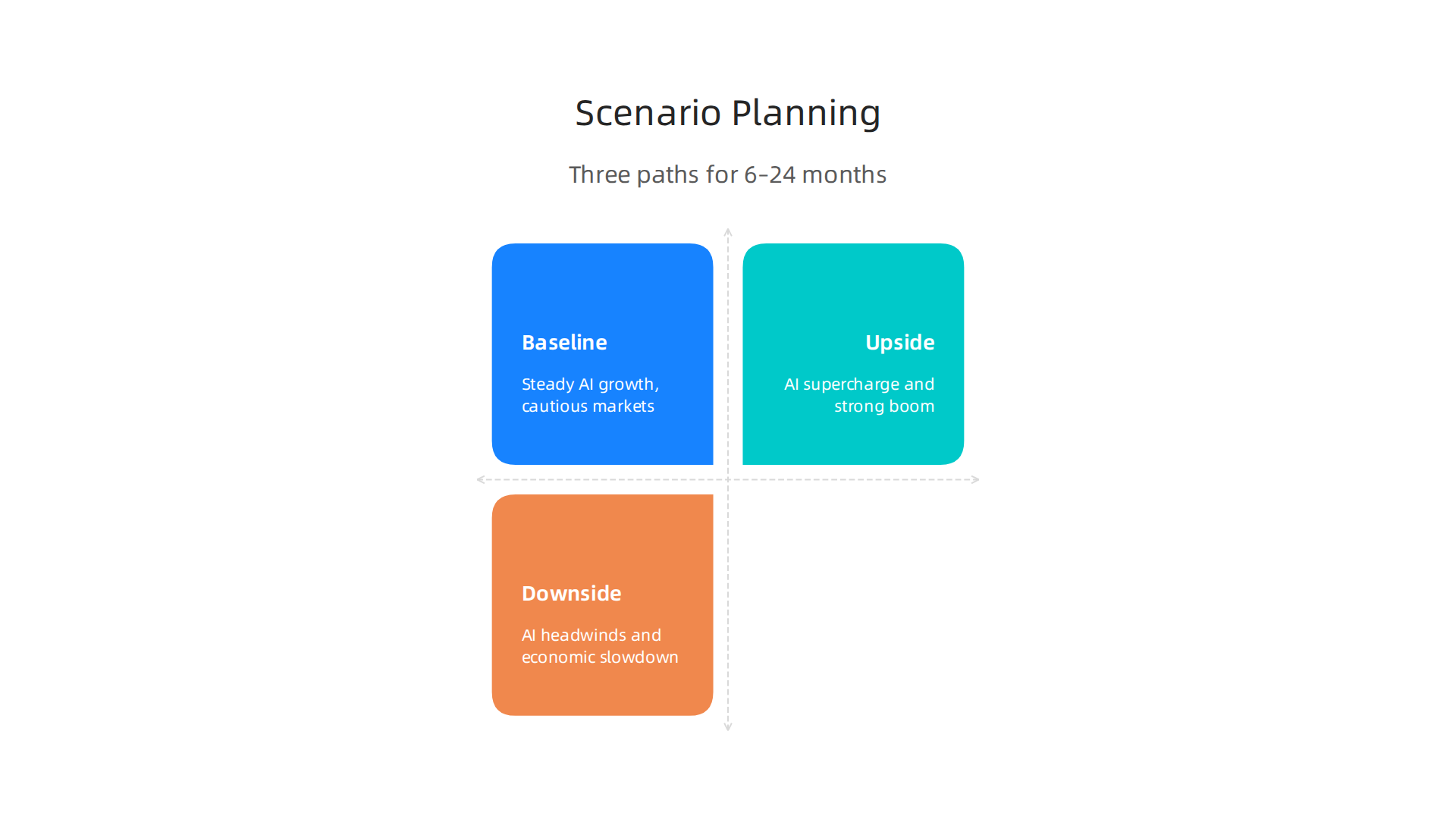
Let’s break down how to create three clear pictures of the future: a normal path, a very good path, and a tough path.
We’ll also look at what might make us move from one path to another, and what leaders should do in each case.
1. Baseline Scenario: Steady AI Growth with Market Caution
In this normal scenario, AI keeps growing strong, especially in cloud services. Think of it this way: the global cloud AI market was valued at about $133.42 billion in 2026 and is expected to grow significantly over the next few years Cloud AI Market Size, Share & Growth Analysis Report [2034]. Investors will still be a bit careful, balancing excitement for AI with worries about how much profit it actually makes. We might see steady gains in the stock market but also some bumps along the way, much like we’ve seen in parts of 2026.
- Triggers: Stable economic growth, continued but not explosive AI breakthroughs, and a balanced approach from central banks.
- Next Steps for Executives and Investors: Focus on smart, careful investments in AI that show real returns. Keep a close eye on your company’s spending and make sure new tech truly helps your business grow. For investors, keep a diverse portfolio and look for companies that are stable and have clear plans for AI.
2. Upside Scenario: AI Supercharge and a Strong Market Boom
Imagine a world where AI takes off even faster than we thought! This good scenario could happen if there are huge breakthroughs in AI technology that make it much easier and cheaper to use. This could lead to a big jump in how companies work and earn money. We might see a true "tech resurgence" where investor confidence is high, and money flows freely into innovative companies.
- Triggers: Major AI breakthroughs that transform many industries, strong global economic growth, and clear rules that help AI businesses thrive.
- Next Steps for Executives and Investors: This is a time to be bold. Speed up your innovation, invest more in AI research and development, and look for chances to buy smaller companies that have promising AI tech. For investors, this means looking for high-growth tech stocks and being ready to take on more risk for bigger rewards.
3. Downside Scenario: AI Headwinds and Economic Slowdown
Now, let’s think about a tougher path. This could happen if there are big problems with AI, like high costs that don’t lead to enough profit, or new laws that slow down its growth. If the global economy also slows down, or if there are other big issues like trade wars, the market could struggle. This might make global finance leaders very cautious, affecting even the biggest companies on the Forbes Global 2000 list.
- Triggers: Slow AI adoption due to high costs or low returns, strict new laws that make AI harder to develop, or a broader economic downturn affecting consumer and business spending.
- Next Steps for Executives and Investors: This calls for careful planning. Focus on saving money, making your business stronger, and looking at the most important parts of your operations. For investors, it means protecting your money, maybe by choosing safer investments or those that do well even when the market is down. You should also consider how to filter signal from noise in DVL T Stock Reddit discussions to avoid panic selling.
For executives and investors, the key is to not rely on just one view of the future. You need to know what to do in all these different situations. It is also important to not get lost in too much general stock market news today or only look at sites like zerohedge news. Getting truly deep insights is how you make smart moves. To stay ahead of the curve and understand these shifts, it is important to keep up with clear, daily updates on AI and the technology sector.
To make informed decisions, you need the freshest, most reliable insights. Get clear daily AI updates from The AI Newsletter Worth Reading.
Summary
This article explains why a rigorous, data-driven look at the world’s largest public companies matters for leaders and investors in 2026. It walks through how the Forbes Global 2000 ranks firms and why that consistency helps reveal real trends in market concentration across industries and regions. The piece highlights the financial metrics that matter most for platform and cloud-native firms—revenue growth, gross and operating margins, and R&D intensity—and shows how anomaly signals in reports can presage bigger shifts. It maps how AI, cloud adoption, and semiconductors are reshaping sector rankings, and it outlines the regulatory and geopolitical headwinds that large firms must navigate. Practical guidance covers investor sentiment, capital allocation cues, and a three-scenario planning framework (baseline, upside, downside) with triggers and tactical next steps. After reading, you’ll know what signals to watch, how to build short-term scenarios, and where to focus analysis to make better strategic and investment decisions.