

Why this briefing matters now: navigating business technology in 2026
In 2026, the world of business technology is changing faster than ever. We are seeing amazing new things almost every day. This year, three big ideas are really shaking things up: super-fast progress in artificial intelligence, big changes in how online platforms work, and new rules from governments. These changes mean that how businesses plan for the future, where they put their money, and what they do every day is being completely redone.
Think about it: the total money spent on technology around the world is expected to be over $6 trillion in 2026. This is a big jump from last year, showing just how much businesses are investing in new tools and ideas Technology Growth Statistics 2026: Key Trends Unpacked. A huge part of this growth comes from the exciting world of AI. The way AI engines are getting smarter means new possibilities for every business. This isn’t just a small upgrade; it’s like tech is being reborn.
Many leaders, investors, and people who run businesses find it hard to keep up. There’s so much news and so many new things happening.

It’s tough to know what’s really important and what’s just noise. That’s why this briefing is here. We will give you clear, factual information to help you understand what matters most. We want to help you see the big picture and focus on the important signs that can help your business grow.
Staying informed about these fast changes, especially in artificial intelligence, is key to making smart choices. If you want to keep up with the latest in this rapidly evolving space, consider getting daily updates.
Get clear daily AI updates from The AI Newsletter Worth Reading.
Understanding how AI is changing platforms and what new rules mean for your company can give you an edge. For example, knowing how markets react to big tech news, like in our article on how Sensex today drives global tech market signals, can help you make better decisions.
Macro view: market signals and what they really mean
It’s true, there’s a lot of information coming at us every day in the world of business technology. It can feel like a storm of news, making it hard to tell what’s important and what’s just temporary. For leaders and investors, the real skill is learning to see the clear signals hidden within all that noise.

These signals tell us about big, lasting changes in how technology and money work together.
Think of it this way: some news is like a tiny wave that quickly disappears. Other news is like a huge tide that changes the whole shoreline. We want to focus on those tides. In 2026, the global technology market is undergoing a structural transformation. This means the very way things are built and run is changing, which is a big deal 2026 Technology Market Trends: The Forces Reshaping ….
How to Spot the Big Changes
So, how do you sort out the quick ups and downs from the true, long-lasting trends?
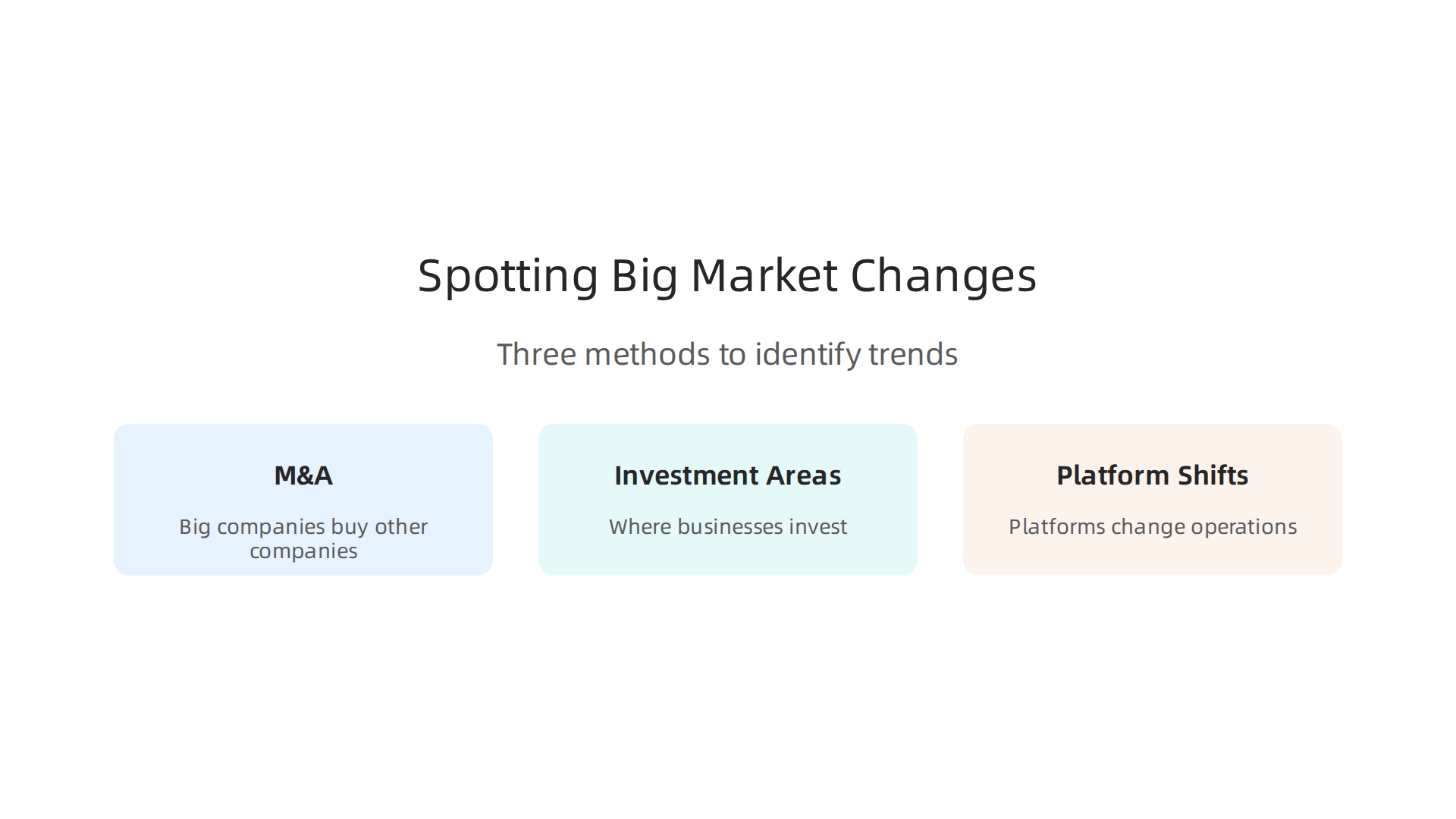
- Look at Mergers and Acquisitions (M&A): When big companies buy other companies, it’s a strong signal about where they think the future is heading. In 2026, a lot of these big deals are happening because of artificial intelligence (AI). Companies are eager to buy up AI talent, technology, and capabilities. For example, many companies are making big moves to get better at cybersecurity and cloud computing, often by buying smaller, skilled firms Technology Sector M&A in 2026: Consolidation, AI ….
This shows that AI is not just a passing fad; it’s driving serious business strategy.
2. Focus on Investment Areas: Where are big businesses putting their money for new projects? Are they investing in specific types of ai engine improvements or new ways to use data? This tells you what they believe will bring growth. The amount of money spent on IT around the world is expected to be more than $6 trillion in 2026, with huge growth in software and IT services, according to one report Technology Industry Insights 2026: Trends, Challenges & Drivers.
3. Watch for Platform Shifts: When major online platforms change how they operate, it can create new opportunities or challenges for many businesses. For instance, new ways to make money on these platforms, like subscriptions or direct payments, are becoming more common. This is especially true for content creators and app developers Content Monetization Strategies: Beyond Advertising Revenue. This shift affects how all businesses interact with their customers online.
Key Economic Indicators for Platform Industries
For businesses that rely on online platforms, keeping an eye on certain economic signs is super important.
- Cloud Computing Growth: Cloud computing is the backbone for most online platforms. Its market is expected to reach nearly $947.3 billion in 2026, showing strong and steady growth Technology Growth Statistics And Trend (2026). A booming cloud market means more powerful, flexible platforms.
- Cybersecurity Spending: As more business moves online, protecting data becomes critical. The cybersecurity market is growing fast, especially for AI-powered security solutions Technology & IT statistics United States 2026 | Kenmei Drive. This shows a deeper commitment to security in
business technology. - Big Data Market Size: The ability to collect and use large amounts of data is key for personalizing experiences on platforms. The big data market is set to grow from $224.46 billion in 2025 to $573.47 billion by 2033 Future of Big Data: Forecasts, Statistics & Trends for 2026. This growth helps platforms offer better services and make smarter decisions.
By looking at these deeper trends and economic signs, you can get a clearer picture of where business technology is truly heading in 2026. This helps you make smart choices for your company, rather than just reacting to every small piece of news. For more insights into how market signals drive strategic moves, check out our article on Stock Market Open Today: Daily Insights to Master Your Trading Strategy.
AI and platform strategy: build, buy, or partner?
After looking at the big market signals, a main question for leaders in 2026 is how to use artificial intelligence. It’s not just about if you should use AI, but how. This means deciding if your company will build its own AI tools, buy other companies that already have them, or work with partners.
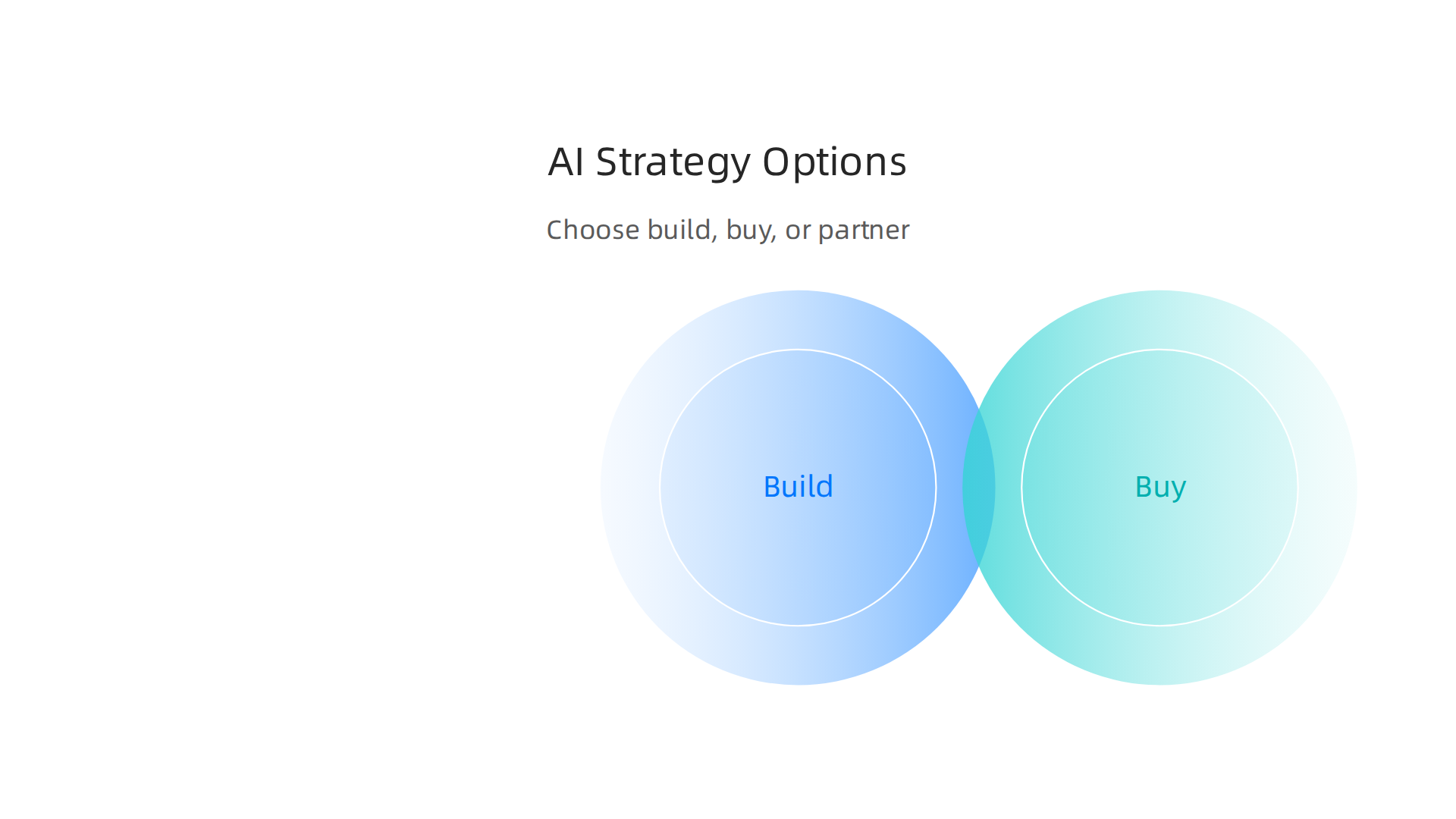
Each choice changes your plans for new products and how you will sell them.
Building Your Own AI Engine
Creating your own ai engine means building AI tools from the ground up inside your company.
- Good points: You get full control. Your AI can be perfectly made for your exact needs, giving you a special advantage. This is like playing an
artificial intelligence gamewhere you make all the rules. - Challenges: It takes a lot of time and money. You need skilled people, and it can be hard to keep up with how fast AI changes. You also need to understand the new rules for AI, as federal agencies are working to create a national framework for AI, even while states have their own rules AI legislation in the US: A 2026 overview. The White House has also released a national policy framework for AI in 2026, aiming for a unified approach to regulation White House Releases National AI Policy Framework | HUB.
Buying Other Companies (M&A)
Another way is to buy a company that already has the AI skills or technology you need. We saw in the last section that companies are doing this a lot.
- Good points: This can be much faster than building from scratch. You get ready-made teams and proven technology. It helps you quickly add important AI features to your
business technology. - Challenges: Buying a company is often very expensive. You also have to deal with putting two different companies together, which can be hard.
Partnering with Others
The third choice is to work with other companies that specialize in AI. This could mean using their AI platforms or teaming up on projects.
- Good points: It’s usually less risky and cheaper than building or buying. You can get to market faster by using existing tools. This is a smart way to get AI power without taking on all the burdens yourself.
- Challenges: You might have less control over the AI tools, and you depend on your partners.
How AI Changes Your Plans
No matter which path you choose, having strong AI ability changes everything. It affects what new products your company decides to make and how you plan to sell them. For example, many businesses are looking at how AI, especially generative AI, can be used right where the action happens, like on factory floors or in stores. This is called "edge AI."
By the end of 2026, a large number of company AI projects will include this "edge processing," where AI works closer to the user Generative AI Edge Computing in 2026: 7 Game-Changing Predictions. This shift towards smaller, more focused AI models also means that tech reborn can happen in exciting new places, making existing products smarter and faster The Power of Small: Edge AI Predictions for 2026.
This new way of thinking makes product roadmaps focus on how AI can make products better, or even create completely new ones. Go-to-market plans also change, as companies figure out how to sell these new AI-powered solutions to customers. For a deeper dive into how AI influences strategic insights, check out our article on how artificial general intelligence images drive strategic insights.
Understanding these choices and trends is key to staying ahead in 2026.
Ready to keep up with all the fast changes in AI? Get clear daily AI updates from The AI Newsletter Worth Reading.
Staying ahead in 2026 means also keeping a close eye on new rules and laws.

Just as companies decide how to use AI, they must also understand how governments are making new rules that can change entire markets. This is especially true for business technology. It’s not just about what you can build, but what you are allowed to do with it.
Understanding New Rules
Governments are busy creating new rules in a few key areas:
- AI Oversight: Rules about how AI works, who is responsible for its actions, and how it handles our information.
- Data Protection: Laws to keep your personal data safe, deciding how companies can collect, store, and use it.
- Antitrust: Rules to make sure big companies do not have too much power or stop smaller companies from growing.
These new rules can greatly change how companies plan their products and business technology strategies.
The Big Picture on AI Rules
In 2026, the US government is working hard to create a set of national rules for AI. The White House has put out plans to help guide these rules, aiming for one clear way to handle AI across the country. They want to discourage states from making too many different laws, which could make things confusing for businesses White House Unveils A.I. Policy Aimed at Blocking State Laws.
For example, a new order signed in June 2026 is a big step towards federal oversight of ai engine creation, putting the government directly involved in how advanced AI is built and used New Executive Order Marks a Shift Toward Hands-On AI Oversight. This order even created a way for AI makers to let the government review their tools before they are released Trump tiptoes toward real AI oversight in new executive order.
But even with a national push, states are still making their own rules. For instance, Colorado has passed a wide-ranging state law for "high-risk" AI systems, like those used in education or healthcare US AI regulations 2026: the state laws you must comply with. This means companies using AI, especially those with powerful ai engine systems, need to keep up with rules from both federal and state levels. Keeping track of all these changes is a crucial part of managing business technology today.
Outside the US, other parts of the world are also creating their own AI rules. For example, Europe is working on its AI Act, with more detailed guidance expected in 2026. This shows that AI regulation is a global effort 2026 Year in Preview: AI Regulatory Developments for ….
Building Smart Business Strategies
Knowing about these rules helps companies do more than just follow the law. It helps them build stronger business technology strategies.
- Plan Ahead: Companies can design new products with privacy and fairness in mind from the very start. This is often easier and cheaper than fixing problems later.
- Gain Trust: When customers know your company cares about their data and uses AI fairly, they are more likely to trust you. This trust can become a special advantage for your business.
- Avoid Problems: Understanding rules helps avoid big fines or other issues that can hurt a company.
For example, if a company builds a new ai engine, making sure it aligns with upcoming data protection laws means it’s less likely to face legal troubles later. This helps ensure that new business technology lasts and serves customers well. It’s about being proactive and making compliance a part of your company’s DNA, turning a challenge into an opportunity for growth and stronger customer relationships. If you want to dive deeper into how technology changes are affecting the global market, consider reading about the World Market Order Is Being Reshaped By Ai And Geopolitical Competition.
Beyond just following new rules, businesses in 2026 must also look at how they make money. The way companies earn money is changing a lot, moving past just showing ads. This shift is all about how business technology helps capture value in new ways.
Evolving business models: monetization, pricing, and value capture
For a long time, many online businesses made most of their money from ads. But now, things are different. Companies are finding new ways to get paid for their products and services. Think of it as a shift from "free with ads" to "paying for special access or features." This is a big deal for business technology and how companies grow.
Here are some of the new ways businesses are making money:
- Subscription Models: This is where you pay a regular fee, like every month, to use a service. Many apps and online tools use this. In 2026, about 82% of non-gaming apps use some form of subscription along with ads Best App Monetization Strategies that Work in 2026. This creates steady income for companies.
- Enterprise Solutions: Businesses are selling their special
business technologydirectly to other companies. This might include powerfulai enginetools or cloud services that help big businesses work better. - Data-as-a-Service: Some companies collect special data and then sell access to it. This data can help other businesses make smarter choices.
- Direct Payments and Hybrid Models: People are also paying directly for content or features they like. This can be one-time purchases or tips. Many businesses are now combining several ways to make money, like subscriptions, in-app purchases, and even ads for free users. This is called hybrid monetization, and it’s a key strategy for 2026 The 2026 Monetization Landscape: Why Everything Changed.
How to Spot a Shift in Monetization
You can often tell when a platform or company is changing how it makes money. They might be trying to find more ways to earn money besides just ads. This is a sign that their business technology is evolving.
- New Premium Features: If a service suddenly offers a "pro" version or special features you have to pay for, that’s a signal. For example, some AI tools offer basic features for free but ask you to pay for advanced AI capabilities Top 12 ways to monetize your app in 2026.
- Membership Tiers: Look for different levels of membership. Maybe a basic level is free, but a higher level gives you more benefits or no ads.
- Direct Support Options: If you see ways to "tip" a creator or buy special digital items, it means they are trying to get money directly from their fans. Content creators are combining things like memberships, digital products, and community support instead of just relying on ads or brand deals 13 Smart Monetization Strategies Every Creator Should Be ….
- Changes in Pricing for AI Tools: As
artificial intelligence gamechangers become more common, how they are priced will also change. Some companies might offer a free trial, then ask for a fee to unlock the full power of theirai engine.
These changes show that tech reborn models are focusing on giving more value to customers who are willing to pay. This helps businesses build a stronger, more stable way of earning money. To really understand how these shifts impact overall markets, it’s useful to look at How Sensex Today Drives Global Tech Market Signals. Companies that adapt to these new models will likely do better in the long run.
Changes in how companies make money often go hand-in-hand with bigger shifts in the market. To truly succeed, businesses don’t just update their payment plans; they also look at how they can grow by working with or buying other companies.

This is where mergers and acquisitions (M&A) come in, shaping the global technology market in 2026.
M&A means when one company buys another, or when two companies join together. In the fast-moving tech world, this isn’t just about getting bigger. It’s about getting smarter and stronger. Many deals happening in 2026 are about specific goals, helping companies improve their business technology quickly.
Why Companies Join Forces Now
When big tech companies buy smaller ones, or when two mid-sized businesses merge, they usually have clear reasons. These reasons help them deal with a tough market where the global technology market is expected to reach over $6 trillion in 2026 Technology Growth Statistics And Trend (2026).
Here are some main reasons for these deals:
- Getting Smart People: Companies often buy others just to get their skilled workers, especially those who know a lot about new
business technologylike artificial intelligence. It’s like buying a ready-made team of experts. - Gaining New Skills and Tools: A company might buy another to get its special
ai engineor a newtechnology synonymstool. This lets them add powerful features to their own products without having to build them from scratch. Artificial intelligence is a key reason for many tech deals in 2026, driving companies to make big strategic moves Artificial Intelligence is the Deal Driver – M&A Alerts. - Reaching More Customers: Buying another company can open doors to new groups of customers or new parts of the world. It helps a business grow its reach very fast.
- Winning the AI Race: The rise of AI is a huge
artificial intelligence gamechanger. Companies are rushing to buy up AI startups or teams to make sure they don’t fall behind. This means we’re seeing a lot of consolidation, where smaller AI businesses are being bought by larger ones Technology Sector M&A in 2026: Consolidation, AI …. This push for AI-related assets is fueling the M&A market with new momentum 5 Forces Driving M&A in 2026.
How to Spot Good Opportunities
To understand where the market is headed, you can look for patterns in these deals.
- Watch What Big Companies Buy: Pay attention to the types of startups or smaller companies that major tech players are acquiring. Are they investing in specific AI solutions? Cybersecurity? Cloud services? This shows what they believe is important for the future of
business technology. - Look for Companies Joining Forces: Sometimes, smaller companies merge to become stronger together. They might combine their skills or resources to better compete with bigger players. This kind of "consolidation" means fewer, but stronger, companies in certain areas.
- Focus on AI-Driven Deals: Because AI is such a big deal, companies that have special AI skills or products are often sought after. Tracking these areas can show you where the next big shifts will be. Many firms are seeking to secure critical infrastructure in the technology sector through these deals 2026 Becomes the Year of the Strategic Mega-Deal as ….
Understanding these M&A trends helps you see how the tech reborn movement is reshaping industries, and it can also offer clues for investors and businesses about where to find their next big chance. To learn more about how AI is impacting global markets, check out Anthropic AI: What Leaders and Investors Need to Know.
The way companies join together or buy others, like we talked about with mergers and acquisitions, sets the stage for new kinds of business technology. But for these new technologies or bigger platforms to really take off, something else is super important: developers. These are the people who build new tools and apps on top of existing platforms using special connections called APIs.
Why Developer Adoption Matters for Platform Success
Think of a big new software platform as a shopping mall. The mall itself is great, but it becomes truly useful and exciting when many different stores (apps) open inside it. Developers are like those store owners. They use the platform’s tools and APIs to create new things that make the platform even better for everyone. If developers don’t use a platform’s tools, that platform won’t grow as much or reach its full potential.
For example, when a company buys an ai engine to make its products smarter, it also needs developers to build new AI-powered features for customers. Without their help, that powerful AI might just sit there. This is why getting developers on board is a big part of how new business technology finds its place in the market. It’s not just about having a great new tool; it’s about people building on it.
How to See if Developers Are Engaged
Companies pay close attention to how many developers are joining their platform and what they are building. These are like clues to show if the platform will be a long-term success.
Here are some important things to watch:
- How Many Developers Are Active: A large and growing number of developers means more people are interested in building on the platform.
- Speed of New Apps: If developers are quickly making and launching new apps, it shows the platform is easy to use and has good tools.
- What They Are Building: Are they making useful tools that solve problems for many people? Are they creating new ways to use the platform’s core
ai engine? - How Developers Make Money: Many developers want to earn money from the things they build. Platforms that offer good ways for developers to make money, like through subscriptions or in-app purchases, often do very well The 2026 Monetization Deep Dive: Platform Ecosystems & the “Retail- …. In 2026, many app developers are using hybrid strategies that combine different ways of earning income The 2026 Monetization Landscape: Why Everything Changed.
This mix of ways helps developers create a stable income.
- Community Buzz: If developers are talking about the platform a lot online, sharing tips, and helping each other, it means they are happy and invested. This shows healthy ecosystem engagement.
These signals are key for any tech reborn movement. They show that a platform isn’t just a product, but a living ecosystem where new ideas can grow. For big tech companies, strong developer engagement often means bigger cloud revenue as developers use their services more. You can learn more about how major tech companies are growing their cloud services by reading about their performance, such as Alphabet Stock 2026: Cloud Revenue Surges 63 Percent as AI Drives Big Tech Performance. The success of business technology in 2026 really depends on how well companies can attract and keep developers building on their platforms.
As developers build on platforms, they often use exciting new kinds of business technology. In 2026, two big ones everyone is talking about are generative AI and edge computing. Understanding these new technologies helps you see what’s coming next for product design and how businesses will work.
Generative AI: Making New Things
Generative AI is a type of ai engine that can create new content. This means it can make text, pictures, code, or even music from simple instructions. It’s like having a creative helper that can build things for you.
- Changes to Product Design: Generative AI helps make products smarter and more personal. Think of tools that write emails for you, design website layouts, or create unique images based on your ideas. It can also help developers quickly build new features or even entire new applications. This changes the
gamefor how fast products can be made and updated. - Changes to Business Models: Companies can use generative AI to offer brand new services. For example, a business might offer a tool that creates custom marketing materials for clients, or a service that writes software code automatically. This can make businesses much more efficient and open up new ways to earn money.
Edge Computing: AI Closer to the Action
Edge computing is all about bringing the power of computers closer to where the action happens. Instead of sending all data to a big cloud data center far away, edge computing processes data right on the device or nearby. This could be in a smart factory, a self-driving car, or even your phone.
- Changes to Product Design: Edge computing helps products respond much faster. Imagine a robot in a factory that can make decisions in a split second, or a smart camera that understands what it sees right away without delay. This makes products more reliable and useful in real time. In fact, many new
ai engineworkloads are now running outside of traditional data centers. By 2026, about 78% of new enterprise AI tasks will happen on the edge, like on factory floors or in vehicles Edge AI Meets Generative AI: 2026’s $78B Inflection Point. - Changes to Business Models: Edge computing opens doors for businesses that need instant decisions. Think of services that rely on real-time data, like smart traffic systems or health monitors. It also helps save costs by not sending as much data to the cloud. Many companies are combining generative AI with edge computing. Experts predict that by the end of 2026, over 65% of large company generative AI tasks will use some form of edge processing Generative AI Edge Computing in 2026: 7 Game-Changing Predictions. Smaller AI models, called SLMs, are also helping edge computing grow by using less power and making AI faster on devices The Power of Small: Edge AI Predictions for 2026 – Dell.
How to Prioritize New Tech Investments
With so many new technologies, how do companies decide where to put their money?
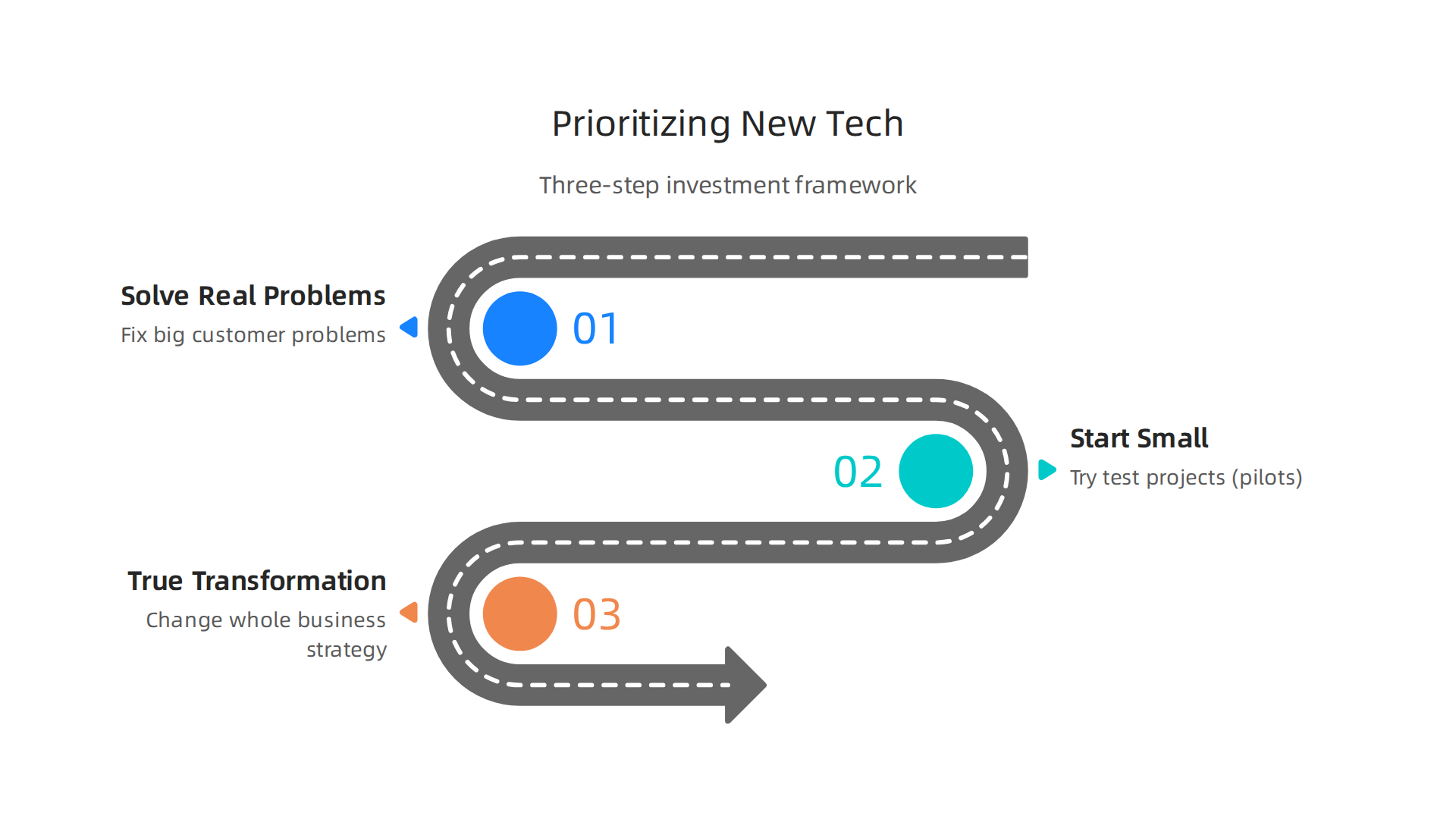
It’s important to look at which emerging tech will truly help your business.
- Solve Real Problems: Focus on technologies that can fix a big problem for your customers or make your business run much better. Don’t just pick something because it’s new.
- Start Small with Pilots: Instead of a huge investment, try small test projects. This helps you learn what works and what doesn’t without spending too much money or time.
- Look for True Transformation: Think about if a new
business technologycan lead to atech rebornmoment for your company, not just small improvements. This means looking at how it can change your whole business strategy or create completely new ways of working. You can learn more about general enterprise AI trends to help your planning by reading about Enterprise AI trends in 2026: Sovereign, agentic, edge, AI ….
For leaders and investors keeping an eye on the latest AI advancements, staying updated is key. Get clear daily AI updates from The AI Newsletter Worth Reading. This helps you understand how companies like Anthropic are shaping the future of AI. For a deeper dive into specific companies, you might want to read about Anthropic AI What Leaders and Investors Need to Know.
Summary
This briefing explains how rapid advances in AI, platform shifts, and new regulation are reshaping business technology in 2026 and why leaders must adapt now. It reviews the macro signals to watch—M&A activity, investment patterns, cloud and cybersecurity spending—and shows how those signals reveal long‑term market change beyond daily noise. The article walks through the strategic choices companies face with AI (build, buy, or partner), the practical impact of federal and state AI rules, and how monetization models are moving past ad‑driven revenue toward subscriptions, enterprise sales, and data services. It also highlights the importance of developer adoption for platform success and why generative AI plus edge computing are the priority technologies. Practical guidance includes how to spot real trends, run small pilots, evaluate deals, and design compliant, trust‑focused product roadmaps so organizations can turn disruption into advantage.