

Why ‘sensex today’ matters for global tech-focused professionals
In today’s fast-moving world, professionals in Big Tech need to keep up with a lot of information. They track new AI launches, big updates to tech platforms, and changes in cloud services. But to make smart choices, they also need to understand what’s happening in global markets.

This is where checking the "sensex today" becomes very important.
Often, busy tech leaders face too much news, or "information overload." They might see many headlines but not get enough clear answers about how global market changes truly affect their companies or investments. They need quick, clear insights that connect what happens on the stock market to big trends in technology, earnings, and new rules.
The Sensex is India’s main stock market index. It shows how 30 large, important Indian companies are doing Sensex Today – Live BSE Sensex Index & Market Updates.
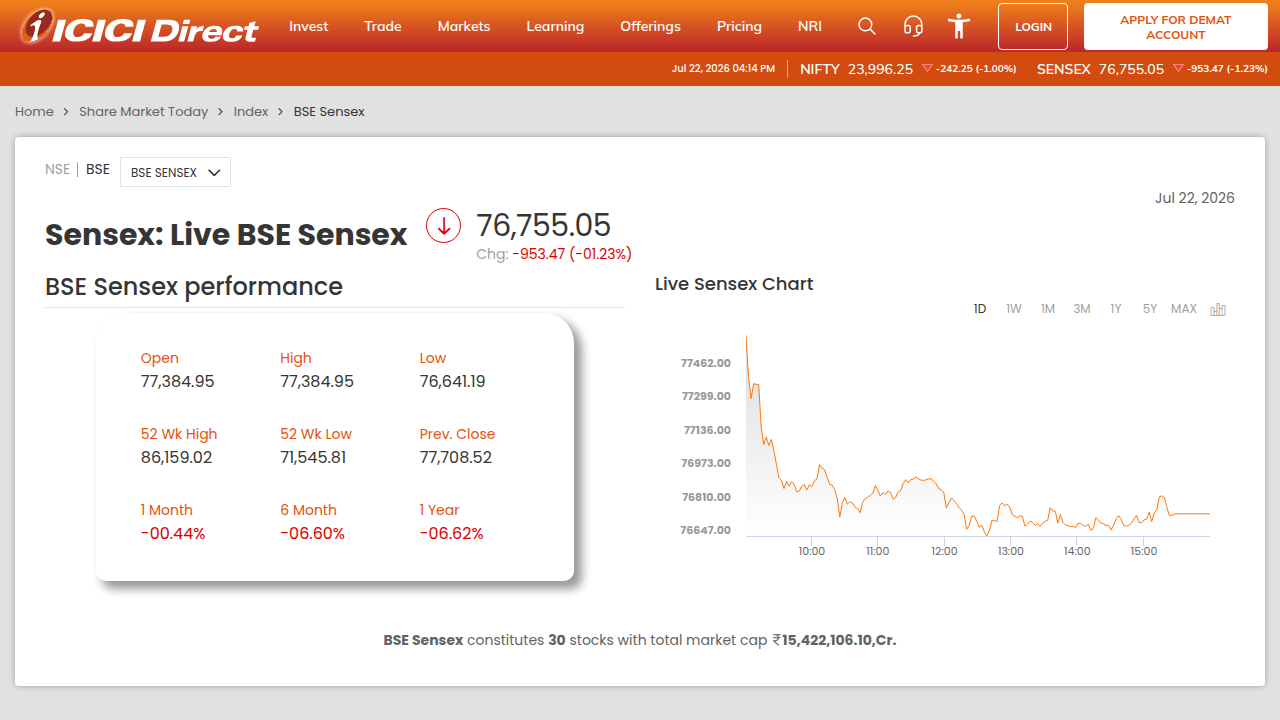
India is quickly becoming one of the top industries in the world 2026. This means what happens with the Sensex can tell us a lot about shifts in global tech and the economy. For example, if you see the "sensex today" is making big moves, it could show new investment trends or changes in consumer habits in a massive market.
This article will give you a clear, step-by-step way to understand Sensex movements. We will show you how these changes are linked to different parts of the tech world, bigger economic stories, company earnings, and even new government rules. Staying informed helps you cut through the noise you might find on regular news sites or even "msn money news" and "bloomberg industry" reports.
For daily updates on how AI is shaping the world,
The AI Newsletter Worth Reading
To truly understand what the "sensex today" means for you, it helps to build a quick picture of the market. Instead of getting lost in all the news you might see on sites like "msn money news" or "bloomberg industry," focus on a few key things. This way, you can get a clear snapshot without spending too much time.
How to Build a Reliable Sensex Snapshot
When you check the Sensex, here are the main things to look at:
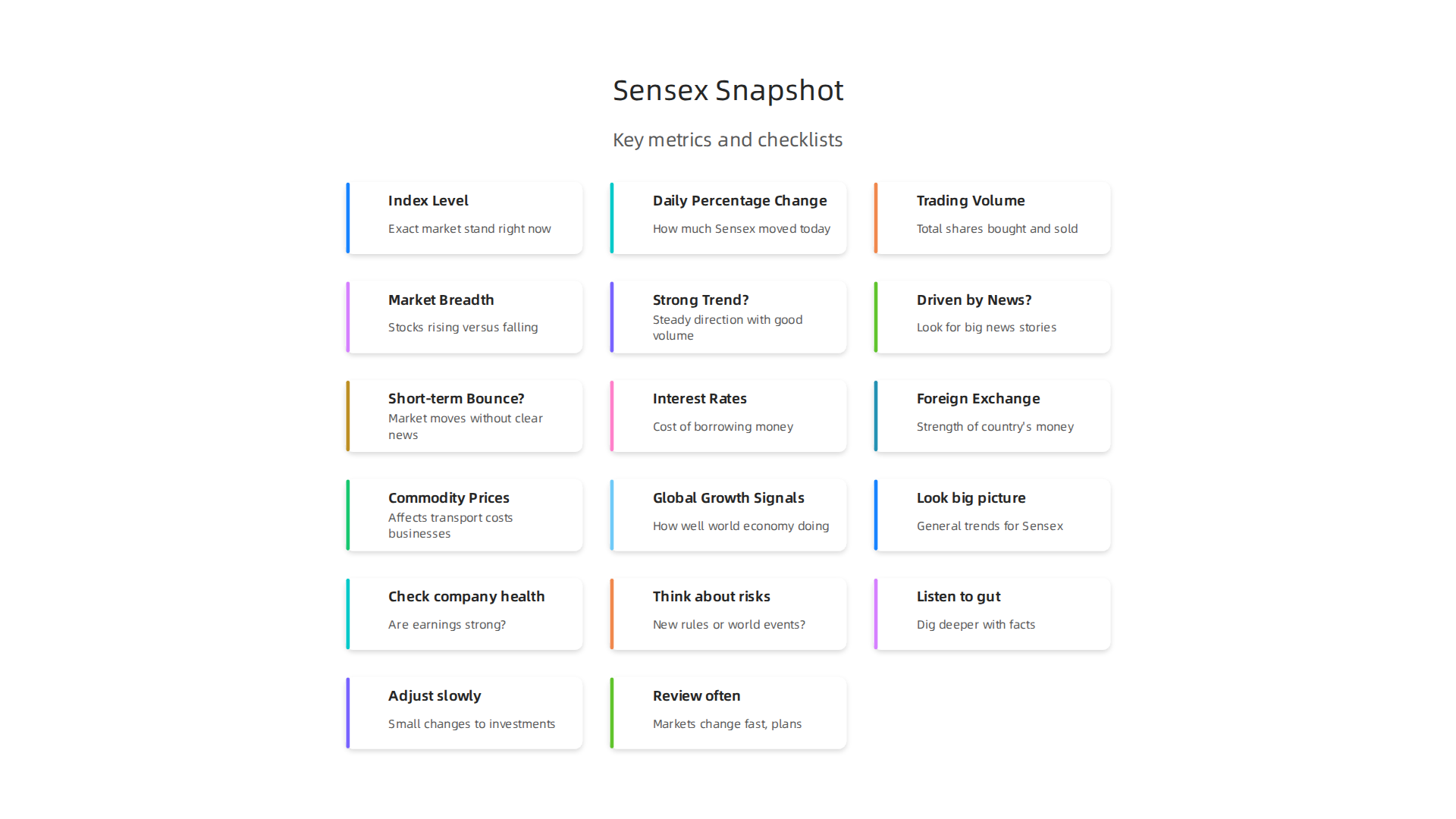
- The Index Level: This is the current number for the Sensex. It tells you exactly where the market stands right now.
- Daily Percentage Change: This shows how much the Sensex has gone up or down since the market opened today. A big percentage change, either up or down, means something important is happening.
- Trading Volume: This refers to the total number of shares that have been bought and sold. High volume usually means more people are actively trading, which can make market moves stronger. You can often find historical volume data to see how active the market has been BSE Sensex Historical Data (BSESN).

- Market Breadth: This looks at how many of the 30 Sensex companies are going up versus how many are going down. If most stocks are rising, it shows broad strength. If only a few are rising while many others fall, the market might not be as strong as the index level suggests. You can track these real-time movements on platforms that provide Sensex Live Data: Live Chart, Levels & Session Plan.
Top Movers: Who is Driving the Sensex?
Remember, the Sensex is made up of 30 big companies. Some companies are much larger than others and have a bigger "weight" in the index. This means that when a very large company’s stock moves a lot, it has a bigger effect on the overall Sensex score.
To get a full picture of "sensex today," find out which companies are making the biggest moves, both up and down. These are called the top contributors and detractors. If a few big companies are causing the Sensex to move, it’s important to understand why they are doing so. For broader market insights, you might also be interested in learning about top gainer stocks in 2026 and how to profit from market momentum.
Quick Interpretation Checklist for Busy Readers
Once you have your snapshot, here is a simple way to think about what the "sensex today" movements might mean:
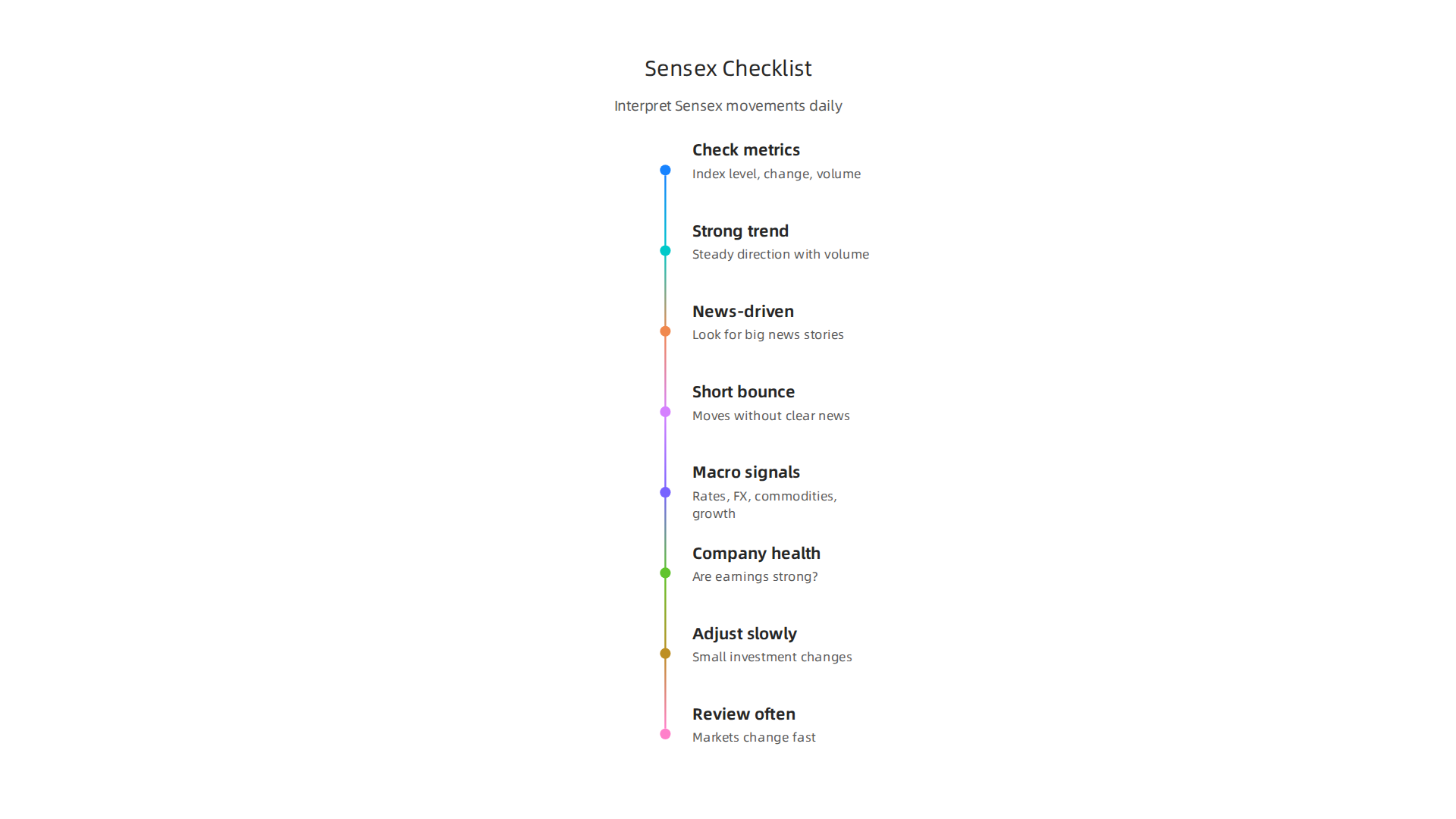
- Is it a strong trend (momentum)? If the Sensex is moving steadily in one direction over several days with good volume, it could show a strong market trend.
- Is it driven by news? Look for big news stories that came out today or last night. This could be about new government rules, company announcements, or global events. News can cause big, sudden moves.
- Is it a short-term bounce or drop? Sometimes, the market might go up or down sharply for a short time without clear news. This could be investors just reacting to earlier moves or fixing their portfolios. These "technical reversals" might not last long.
Knowing the overall Sensex moves is a good start. But to really get a handle on the "sensex today," we need to look deeper at how different parts of the market are doing. Think of the market like a big pie cut into different slices or "sectors." These slices are like IT, banks (financials), and companies that sell everyday goods (consumer goods). How these slices move is often tied to what’s happening with big technology companies around the world.
Sector performance and the Big Tech interplay: where Sensex and platform stocks meet
In 2026, understanding how different sectors of the Sensex move with Big Tech is super important. Here’s why:
- Direct Links: Some Indian tech companies listed on the Sensex have strong ties to global tech trends. When big tech companies worldwide do well or face problems, these Indian firms often feel it too. This can affect the IT sector within the Sensex.
- Supplier and Customer Chains: Many non-tech companies in the Sensex, like those in manufacturing or even consumer goods, use technology from global tech giants. So, if Big Tech changes its plans or prices, it can impact these other businesses.
- Feeling the Mood: News about global tech companies, whether good or bad, can create a general mood for all tech stocks, even those in India. This is like a ripple effect.
Actually, 2026 has seen a big shift. Money is moving away from the very large tech companies and into other types of businesses. This is often called a "mega rotation" or "sector rotation."

It means investors are looking for growth in new places as things change quickly with AI and other big tech developments. For instance, the market in mid-2026 is moving away from mega-cap technology and AI stocks towards older, more hands-on industries, showing a structural shift in investor interest Mid-2026 Equity Market Transformation: Structural Rotation. Experts note that this year, strong earnings from non-tech companies are helping to close the gap with the biggest tech firms, signaling a possible stock market rotation Is a Stock Market Rotation Underway? These Sectors Are ….
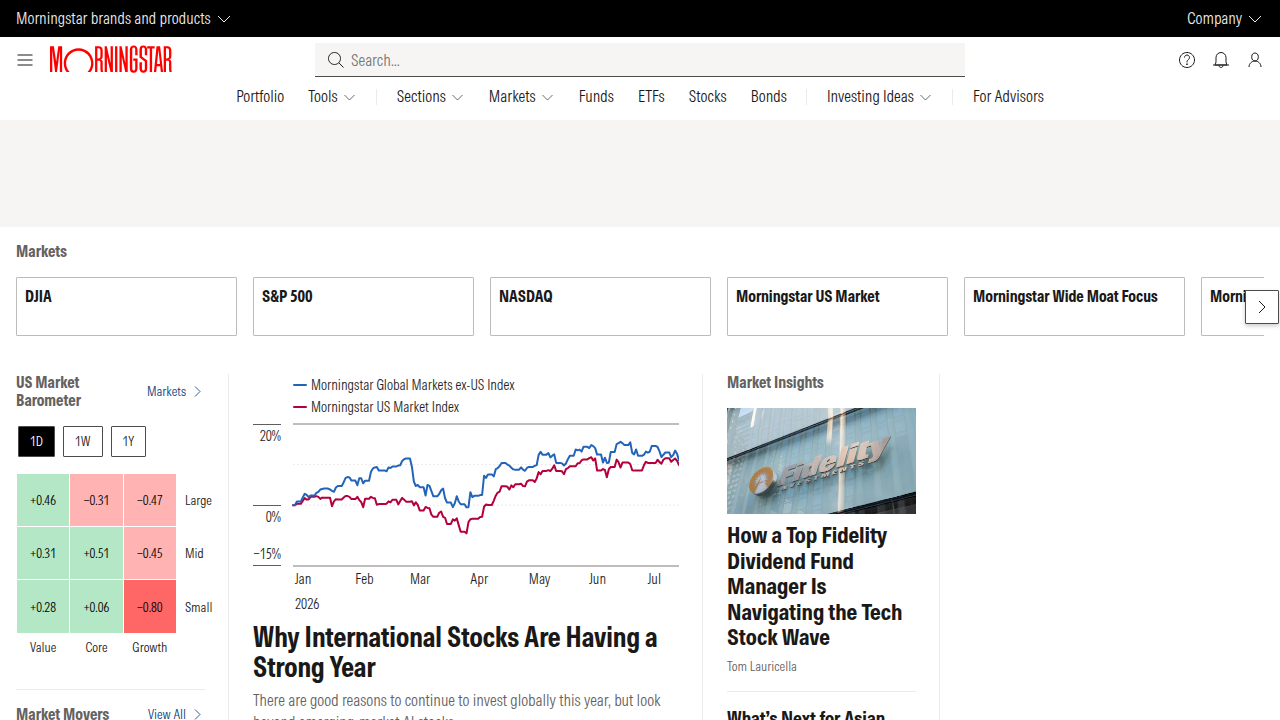
This shift impacts the "sensex today" because it changes which sectors are leading the market.
Reading Sector Rotation Signals
When you see money moving from one sector to another, it’s called sector rotation. This is a key signal for investors. For example, in 2026, some older industries like energy, industrial, and consumer defensive stocks have been leading the way, while big tech names have slowed down 6 Stocks Driving the 2026 Stock Market Rotation.
Here’s how to think about it:
- Spotting the Trend: Look for which sectors are consistently doing better or worse than the overall Sensex. Are financials strong for a few weeks? Is IT lagging?
- Why It Matters: Sector rotation can show where the next big growth areas might be. If a sector is getting more attention, its stocks might perform better. Staying informed about these shifts can help you make smarter decisions about your own investments.
- AI’s Role: AI is a huge part of this rotation. Its rapid changes are disrupting how tech companies make money and are forcing investors to rethink where they put their money. You can find more details on how these global changes affect markets in articles like world market order is being reshaped by AI and geopolitical competition.
To truly understand how AI is changing these dynamics and influencing which sectors rise and fall, it helps to have reliable, daily insights. Get clear daily AI updates from The AI Newsletter Worth Reading.
Knowing about market sectors and Big Tech is just one part of the puzzle. To truly grasp the "sensex today," we must also look at bigger picture economic forces. These are called macro indicators, and they are like the major weather patterns that affect all markets.
Macro indicators shaping global markets and their knock-on effect on Sensex
Global markets are always changing, and many things outside of specific companies can make stocks go up or down. In 2026, understanding these big economic factors is key to understanding how the Sensex moves.
Here are the main things to watch:
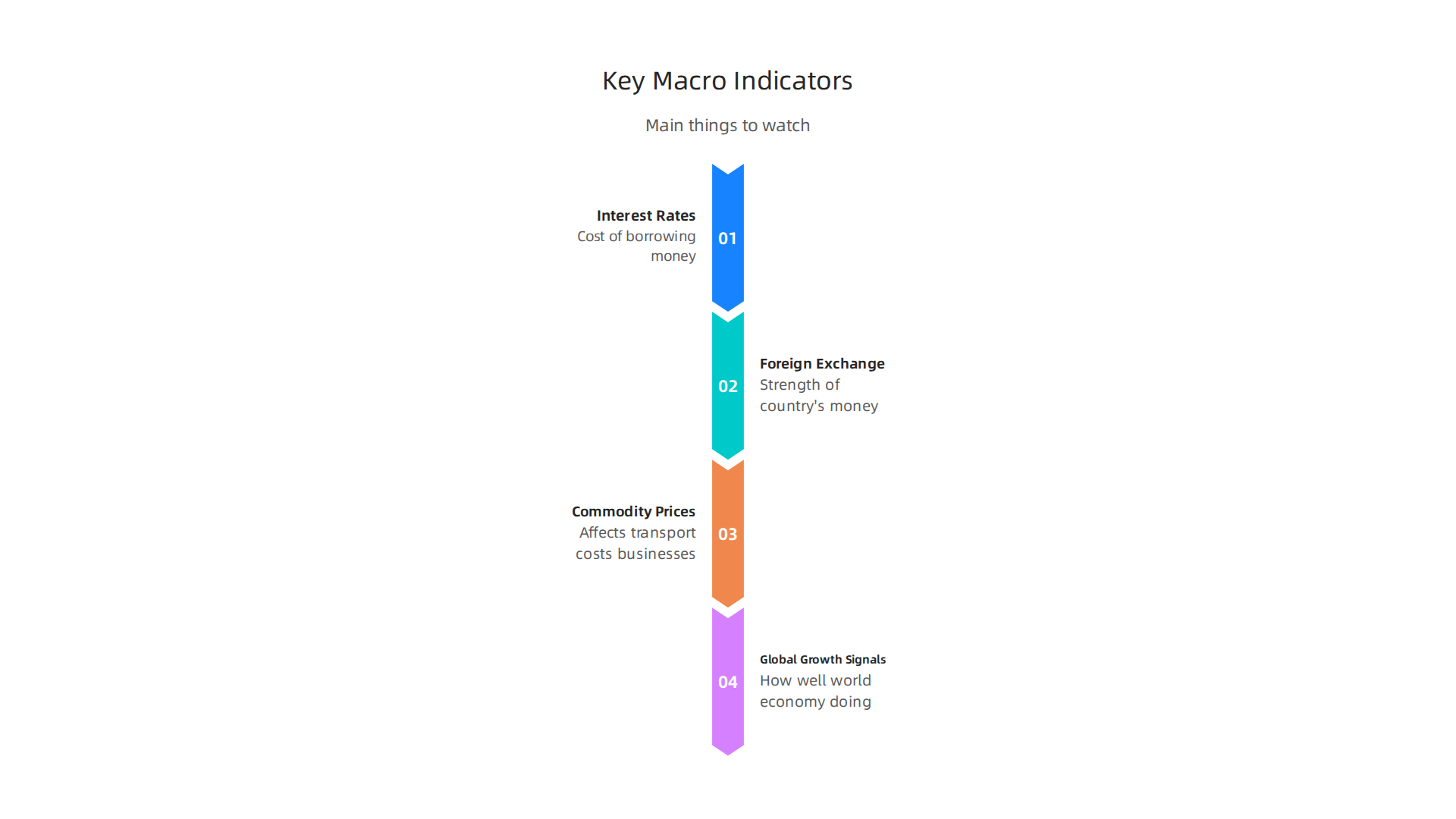
- Interest Rates: These are the cost of borrowing money. When central banks in big economies, like the U.S., change their rates, it affects how much companies pay to borrow and how much people save. For example, the U.S. Federal Reserve might keep its rates stable for the rest of 2026 to manage inflation Midyear economic outlook for 2026. Lower rates can make it cheaper for businesses to grow, which might make their stocks more attractive. Higher rates can slow things down. India’s market feels this too, as investors often move money where returns are better.
- Foreign Exchange (FX): This is about how strong one country’s money is compared to another’s. If the Indian Rupee gets stronger or weaker against the U.S. Dollar, it changes how much foreign investors get back from their Sensex investments. It also impacts how much Indian companies pay for goods from other countries or earn from selling abroad.
- Commodity Prices: Think about things like oil, gold, or metals. Their prices can affect many companies. If oil prices go up, transport costs rise for almost every business. In early 2026, commodities actually did better than many stocks, with oil showing a big jump Asset Allocation Insights – March 2026.
- Global Growth Signals: This is simply how well the world economy is doing. Strong global growth generally means more demand for goods and services, which is good for companies everywhere, including those on the Sensex. Many experts are positive about equities for 2026 because company earnings are still growing 2026 Outlooks. India is seen as one of the Top Industries In The World 2026 The Sectors Reshaping The Global Economy, benefiting from these global trends.
How global changes influence Indian equities
These big global factors connect to the Sensex in several ways:
- U.S. Policy Moves: When the U.S. Federal Reserve makes a decision about interest rates, it creates a ripple effect. This is because the U.S. is one of the best economies in the world, and its choices impact investor confidence globally. Changes in U.S. rates affect bond yields (the return on bonds), which then influence how attractive stocks seem compared to bonds.
- Currency Trends: A stronger U.S. dollar, for example, can make investing in Indian markets less appealing for foreign investors if they think their returns will shrink when they convert money back to dollars.
- Geopolitical Events: Big events like changes in trade rules or political tensions can also shift money around the world, impacting markets like the Sensex. Geopolitical changes are a key driver for markets in 2026 A 2026 global macro outlook: Patience.
Understanding these connections can help you make more informed decisions about your own investments. For example, knowing How Us Stock Futures Predict Big Tech Stock Moves Before The Open can give you an edge in connecting macro news to daily market movements.
A practical checklist to combine macro signals with daily Sensex readings
To keep up with the "sensex today" and global trends, here’s a simple checklist:
- Check Global News: Look at headlines on financial news sites like MSN Money News or Bloomberg Industry for updates on interest rates, currency moves, and commodity prices.
- Watch U.S. Federal Reserve Announcements: Pay attention to what the U.S. central bank says about future interest rates. Their outlook often sets the tone for global financial markets.
- Monitor Global Growth Reports: See reports from organizations like the One World Bank (World Bank Group) to get a sense of how economies around the world are expected to grow.
- Look for Correlation: See if the Sensex is reacting to these global signals. Does it go down when global interest rates are expected to rise? This helps you understand how different factors connect to your daily Sensex readings.
Knowing about big economic forces, like interest rates or global growth, helps us see the wider picture. But to really understand the "sensex today," we also need to look closely at what specific companies are doing, especially the Big Tech giants. Their earnings reports can send strong signals through the whole market.
Big Tech earnings and market signals: reading results beyond headlines
When Big Tech companies share their quarterly results, it’s more than just a quick news headline. These reports hold important clues about where the market might be heading. To truly read these results, you need to look beyond just if they made more or less money than expected.

Here are the key things to watch in their earnings reports:
- Revenue and Future Plans: This tells you how much money the company made. But even more important is what they say about their expected sales for the next few months. This "guidance" helps investors see if the company is growing strong or slowing down.
- Profits and Margins: How much profit did they keep from their sales? This shows how good they are at managing costs. Strong profit margins mean the company is healthy.
- AI Spending and Returns: In 2026, everyone is talking about Artificial Intelligence (AI). Big Tech companies are spending a lot of money on AI. Investors want to know how this huge spending will make the company more money later Why Good News Isn’t Moving Stocks. If the AI plans don’t look like they will bring good returns, investors might get worried.
- User Numbers: For social media or online service companies, how many people are using their products is a big deal. More users often mean more future sales.
It’s not just about the numbers themselves, but also what the company leaders say. Sometimes, a company might beat its sales goals (a quantitative surprise), but if the CEO talks about tough times ahead (qualitative commentary), investors might still sell off the stock. In 2026, some experts have noted that changes in earnings expectations are causing shifts in which tech companies lead the market Why Mega-Cap Tech Might Not Lead the Market This Year. Many investors are looking for growth in other areas, not just the usual big tech names.
How Big Tech earnings influence the Sensex
Big Tech company results, even if they are from companies outside India, can still affect the "sensex today." Here’s why:
- Global Investor Mood: If big U.S. tech companies like Apple or Microsoft do well, it can make investors feel more hopeful about technology stocks everywhere. This positive feeling can spill over into the Indian market, especially for Indian tech companies.
- Sector Shifts: Sometimes, investors move their money out of Big Tech and into other areas, like energy or manufacturing. This is called a "sector rotation." We’ve seen some of this happening in 2026, as AI changes the tech industry Markets Brief: The Big 2026 Sector Rotation as AI Disrupts. If money moves away from global tech, it might affect Indian tech companies, or it could mean other Indian sectors become more popular.
- Direct Connections: Many Indian companies work with or supply parts to global Big Tech firms. If a major global tech company has a bad quarter, it could mean less business for its Indian partners. On the other hand, strong results in areas like cloud services or AI can boost companies that focus on those fields, like those you might find covered in an Alphabet Stock 2026 Cloud Revenue Surges report.
Staying informed about these earnings is a key part of understanding the whole market picture. If you want to dive deeper into the daily moves in AI and the tech world, consider this next step:
Get clear daily AI updates from The AI Newsletter Worth Reading.
Beyond looking at company earnings, the market is also moved by big rules and world events. These can greatly change how the "sensex today" looks.
Regulatory and geopolitical risk: what moves markets when platforms face scrutiny
Even if a company has great earnings, new rules or problems between countries can still make investors worried. This is a big part of understanding the bigger picture for any market, including the "sensex today."
Types of regulatory events that create sustained market impact
Governments around the world are paying more attention to big online companies, especially when it comes to how they handle competition and user data. This can lead to different kinds of regulatory events that really shake up the market:
- Antitrust Fines: These are big penalties given to companies if they are found to be acting unfairly to stop others from competing. For example, in 2026, there is a lot of talk about how antitrust laws are changing and being enforced more strictly against big tech firms [Antitrust & Competition Outlook for 2026]. These fines can be huge and hurt a company’s profits for a long time.
- Structural Remedies: Sometimes, the government might make a company change how it does business. This could mean selling off a part of its company or changing its services to allow for more competition. Europe’s Digital Markets Act (DMA), for instance, makes big online companies follow strict rules to ensure fair play [TTLF Working Papers – Stanford Law School]. These kinds of changes can greatly affect a company’s future growth.
- Data and Privacy Rulings: How companies collect and use your personal information is a major concern. New laws mean companies face big penalties if they don’t protect user data properly. In 2026, we are seeing a record number of fines for companies that fail to meet privacy rules [Privacy Enforcement Is Surging in 2026]. These rules can force companies to rethink their whole business model.
Geopolitical flashpoints and how cross-border rules amplify local market responses
World events and disagreements between countries can also send shockwaves through markets.

For example, if two major countries have a trade dispute, it can affect companies that do business across those borders. New rules that apply to many countries can make these problems even bigger. For instance, a global debate over the best economies in the world might lead to new trade policies that impact companies in the bloomberg industry or other sectors around the globe. This kind of global competition is always changing the World Market Order is Being Reshaped by AI and Geopolitical Competition.
If, for example, a company is told it can’t share its technology with a certain country, it might lose a lot of business. This affects not just that one company, but also its partners and suppliers in other parts of the world, including India. These larger global issues are why investors also keep an eye on what happens with groups like the one world bank and global financial news like msn money news.
How to weigh regulatory risk versus fundamentals when constructing a response plan
When you’re looking at stocks, it’s important to think about these risks. Even if a company has strong sales and good profits, a big fine or a new rule could slow it down. It’s about finding a balance. You need to look at the company’s "fundamentals" (how strong its business is) but also consider how likely it is to face problems from new rules or global tensions.
This means you can’t just look at one thing. You need to gather information from many sources and think about how different kinds of risks could affect the "sensex today." It’s like putting together a puzzle where you need all the pieces to see the full picture. Understanding these risks helps you make smarter choices about where to put your money.
Investment implications: positioning, risk management, and portfolio signals
After understanding all the big risks like new rules and world events, the next step is to figure out how to manage your money. This means making smart choices about where to put your investments, especially when you look at the "sensex today" and other tech signals. It’s all about keeping your investments safe while still trying to help them grow.
How to adjust what you own based on market clues
When you see how the market is moving, you can make changes to your investments. This is called "tactical asset allocation." It’s like having a plan to shift your money between different types of investments, like stocks or bonds, depending on what you think will happen next. For example, some experts in 2026 suggest having a balanced approach, making small, smart adjustments to your investments instead of big, sudden changes [Global Tactical Asset Allocation]. You watch for clues from the "sensex today" and big tech news to decide if you should have more money in certain areas or less in others. This way, you’re always trying to make your portfolio work best for you.
Tools to help manage risks
It is smart to use tools that help protect your money from big drops. Here are a few simple ways:
- Hedges: Think of a hedge as a kind of insurance for your investments. If you think a stock might go down, you can use a hedge to lessen the impact of that drop. It doesn’t stop the fall, but it can make it less painful.
- Stop Rules: These are simple rules you set for yourself. For example, you might decide to sell a stock if its price drops by a certain amount. This helps you limit how much money you can lose on any single investment.
- Scenario-Based Sizing: This means deciding how much money to put into a tech stock or any investment based on different possible futures. If a company faces a lot of regulatory risk, you might choose to invest less in it, even if you like its main business. This helps you control your "tech exposure" to avoid big problems. In 2026, many investors are looking at different ways to build stronger portfolios, even with all the market changes [2026 Outlook: Portfolio-Wide Views].
Putting it all together: a simple checklist
When you’re busy, it helps to have a quick way to make decisions. You can combine what the numbers tell you (like how much a stock has grown) with your own research and ideas about a company.
Here’s a simple checklist to help you make smart choices for your investments:
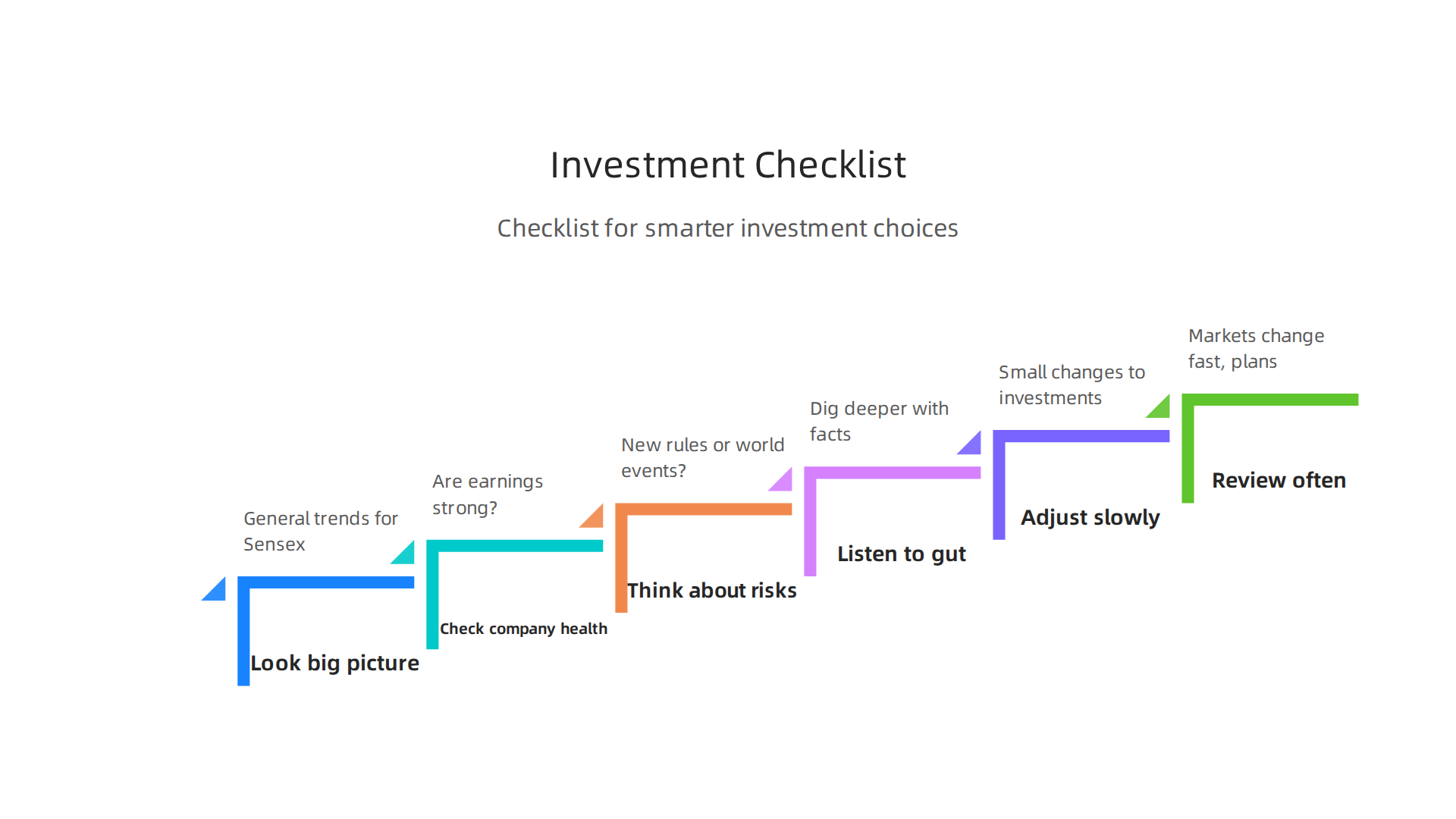
- Look at the big picture: What are the general trends for the "sensex today" and the economy?
- Check company health: Are the company’s earnings strong?
- Think about risks: Are there any new rules or world events that could hurt the company?
- Listen to your gut (with facts): If the numbers look good, but you have a bad feeling because of something you read, dig deeper. Trust your own research and insights.
- Adjust slowly: Make small changes to your investments rather than big, fast ones.
- Review often: Markets change fast. Look at your investments regularly to see if your plan still makes sense.
Learning how to look at an AG stock analysis using a repeatable framework can help you make clearer choices, especially when time is short.
To stay on top of daily developments in AI and the broader tech landscape that impact these investment decisions, make sure you get clear daily AI updates. The AI Newsletter Worth Reading from The Deep View Newsletter is a great resource.
For busy professionals, having a clear daily plan is key. It helps you quickly sort through information and make smart decisions. This is especially true when tracking the fast-moving sensex today and wider market signals.
Your morning checklist for daily insights
Imagine you start your day with a simple checklist. This helps you get the most important information quickly and decide what to do next.
Here’s how to set up your morning routine:
- Gather your data: First, check a few key places for news. This includes financial sites like
msn money newsorbloomberg industryfor a quick look at how markets are doing, including thesensex today. You also want to look at news about specific companies you care about. - Quick triage rules: This means deciding what’s urgent and what can wait. If you see big news that might affect your investments, like new laws or changes in global trade, pay close attention. If it’s small news, you might just note it and move on.
- Time-boxed analysis: Set a certain amount of time, say 30 minutes, to review everything. This keeps you from getting lost in too many details. Focus on finding the main points that tell you how to act. Learning to filter Yahoo Finance news can help you cut through extra information.
Sharing your thoughts: clear notes for your team
After you’ve looked at the news, you need to share what you found with others. Keep your notes short and to the point. Think of them as signal-to-action notes.
- What you saw: "The
sensex todayshowed a small dip, probably because of new regulatory talks." - What it means: "This might affect tech stocks due to rules tightening around data."
- What to do: "Keep an eye on tech shares today; maybe hold off on new buys for now."
These simple notes help everyone understand the market without getting bogged down.
When to take bigger steps
Most days, your checks will just be for watching things. But sometimes, you need to make bigger changes. Here are some times when you should move from just watching to actually changing your portfolio or business plans:
- Sudden big shifts: If the
sensex todayor other major markets show a very big, unexpected move. - New major rules: Big changes in laws, especially for tech companies, can have a lasting impact. In 2026, many experts expect governments to place stricter rules on how companies use data, which could lead to larger penalties for those who do not follow the rules [Data law trends 2026].
- Long-term trends changing: If you see important trends shifting, like how money flows between the
best economies in the worldor changes in how theone world bankviews growth, these are signals for bigger strategy reviews. - When your gut says something is really off: If your research and knowledge tell you a stock or sector is facing real trouble, even if it’s not a huge news item yet, it’s time to dig deeper. Tools that help you monitor Paramount stock with the right metrics and tools can be very useful for this.
These moments are when you move from daily checks to making important adjustments to your strategy.
Summary
This article explains why monitoring