

Why high-quality IPO reporting matters for market professionals
In today’s fast-paced world of money and markets, getting good information quickly is super important for people who make big financial decisions.
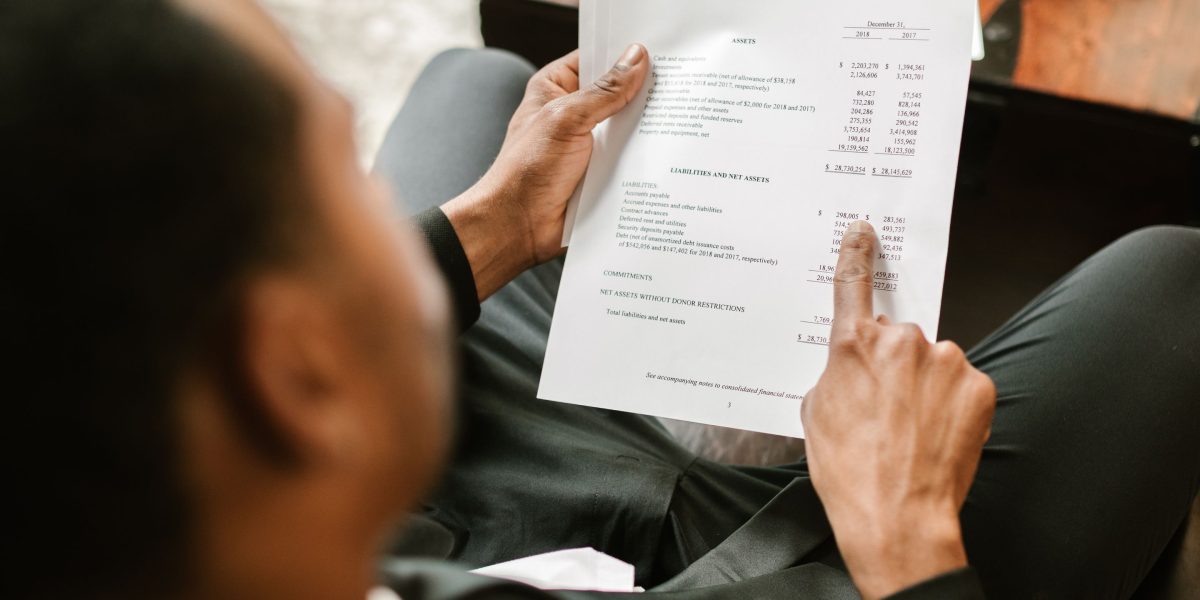
Think about all the new companies going public through an IPO, or Initial Public Offering. In 2026, the IPO market is really picking up, with many experts even thinking it could break records for new companies entering the stock market this year EY Global IPO Trends Q2 2026.
This means there’s a huge amount of news and data floating around. For busy professionals, it can feel like trying to drink from a firehose. They need more than just headlines; they need deep, clear reports that help them understand what’s really happening. For example, looking at a bloomberg ipo report or checking what’s moving on CNN Pre Markets helps them make smart choices without wasting time.
High-quality IPO reporting is key because it cuts through the noise. It helps experts look past simple numbers and get the full story of a company going public. This kind of reporting gives them confidence to act quickly. They want to know what makes a new company special, what its true value is, and how it might grow in the future. Reports often highlight important details like a company’s readiness for public scrutiny, including having solid financial controls and a strong management team From Private to Public: The IPO Readiness Guide 2026.
This guide is here to help you understand how the best IPO coverage works. We will explain how top financial news sources like Bloomberg BBG structure their stories and data, what numbers you should really trust, and how to use this information to make your own plans. We’ll also help you see past the buzz from places like financial reddit or discussions about stock lending Robinhood reddit, and focus on solid facts. Knowing this will help you make better, faster decisions.
To stay on top of daily insights into AI and the technology sector, get clear updates from The AI Newsletter Worth Reading.
How Premium Financial-Newsrooms Structure IPO Coverage
When you look at big financial news places like Bloomberg BBG, you’ll see they don’t just share a company’s IPO date. They give a full, clear picture. These newsrooms, like those behind a typical bloomberg ipo report, know that smart investors need more than just quick facts. They need context.
Here’s how they often break down the news:
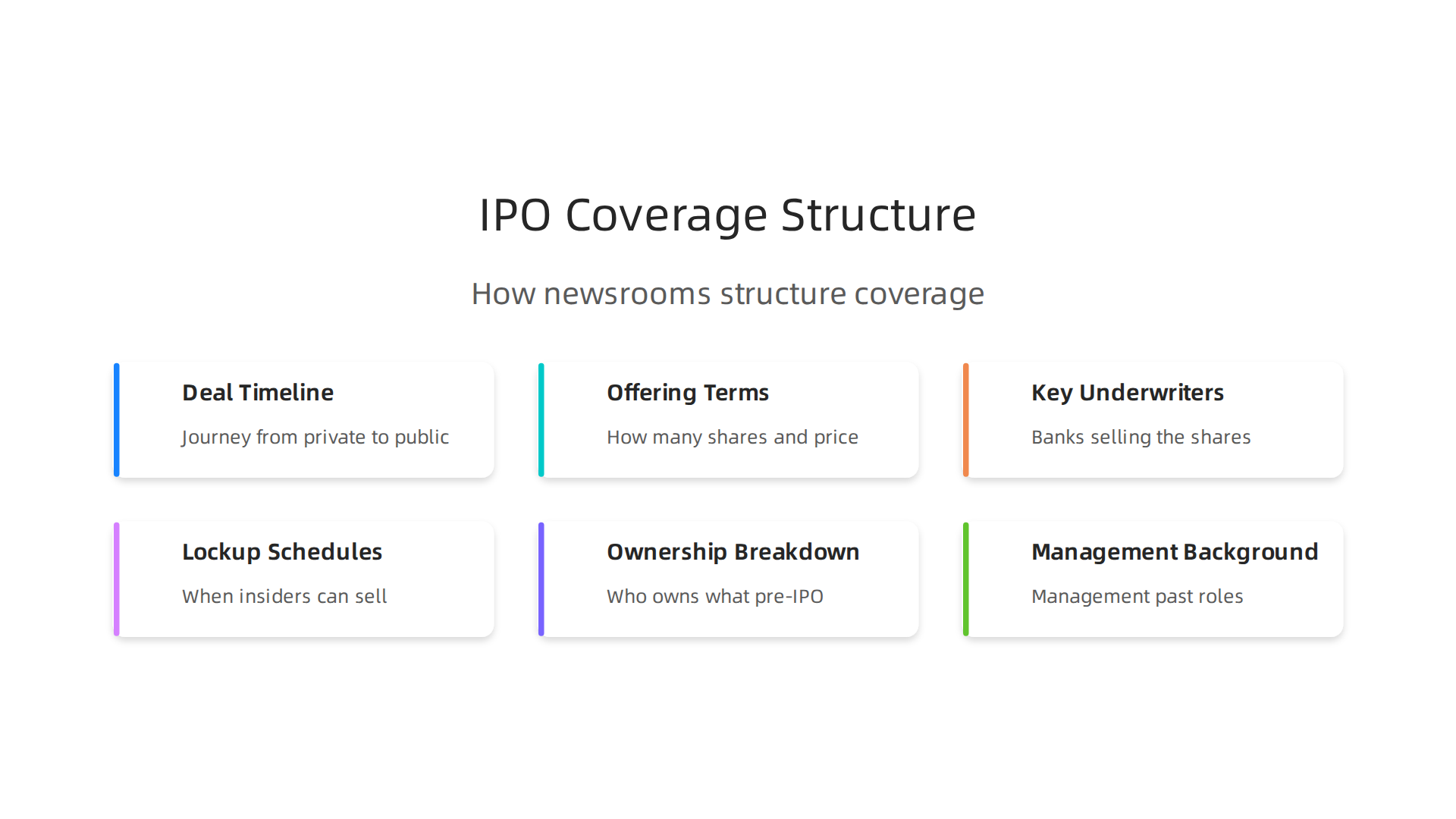
- Deal Timeline: This shows when important things happened or will happen for the IPO. It helps you see the journey from a private company to a public one.
- Offering Terms: This part tells you how many shares are being sold and at what price. It’s like checking the price tag and quantity before you buy something important.
- Key Underwriters: These are the big banks that help the company sell its shares. Knowing who they are can tell you a lot about how strong the IPO is expected to be.
- Lockup Schedules: This explains when company insiders (like founders and early investors) can start selling their shares. This is important because a lot of shares hitting the market at once can change the stock’s price.
- Ownership Breakdown: This shows who owns what part of the company before the IPO. It helps you understand who has the most power and how that might change after the company goes public.
- Management and Company Background: Good reports tell you about the people running the company and what the company has done in the past. This helps you guess what they might do in the future. Experts say that having experienced leaders, like a CFO who knows about public companies, is key for a successful IPO Pre-IPO Planning Is No Longer About Going Public. It’s About Keeping Every Option Alive.
These newsrooms do more than just list facts. They also tell a story. They take information from company papers, market numbers, and talks with experts to give you the full strategic context. It’s not just "this company is going public." It’s "this company is going public because of X, Y, and Z, and here’s what it means for the market and you."
For example, a detailed report won’t just say a company had a good quarter; it will explain why it was good and how that fits into the company’s long-term plan. This kind of deep look helps you understand the true value and possible growth of an IPO. It helps you think smarter, beyond what you might see on financial reddit or discussions about stock lending Robinhood reddit. To learn more about how market data can give insights, you can check out guides on unlocking investment signals. This way, you can make decisions based on solid information, not just hype.
When you want to understand an IPO truly, you have to look past the stories and into the numbers. Professionals in big financial newsrooms, much like the detailed analyses you’d find in a bloomberg ipo report, rely on specific numbers called market metrics. These metrics help them decide if an IPO is strong or weak and what it might mean for investors.
Here are the key numbers that smart investors and analysts track:
- Offer Price vs. Pricing Range: This compares the final price where shares are sold to the public against the company’s first expected price range. Sometimes the final price goes higher or lower based on demand.
- Proceeds: This is the total amount of money the company raises by selling its shares. It tells you how much new cash the company now has to grow.
- Float Percentage: This number shows how many shares are freely available for trading by the public compared to all shares the company has. A higher float means more shares are out there for people to buy and sell.
- Post-IPO Float-Adjusted Market Cap: This is the total value of only the shares that are available for public trading after the IPO. It gives a clearer picture of the company’s size in the market that regular investors can access.
- Initial-Day Performance: This metric shows how the stock price changes on its very first day of trading. A big jump can show strong excitement, but it is just one day. Data shows that in 2026, there have been 86 IPOs, and their initial returns can vary a lot 2026 IPO Market Stats – Renaissance Capital.
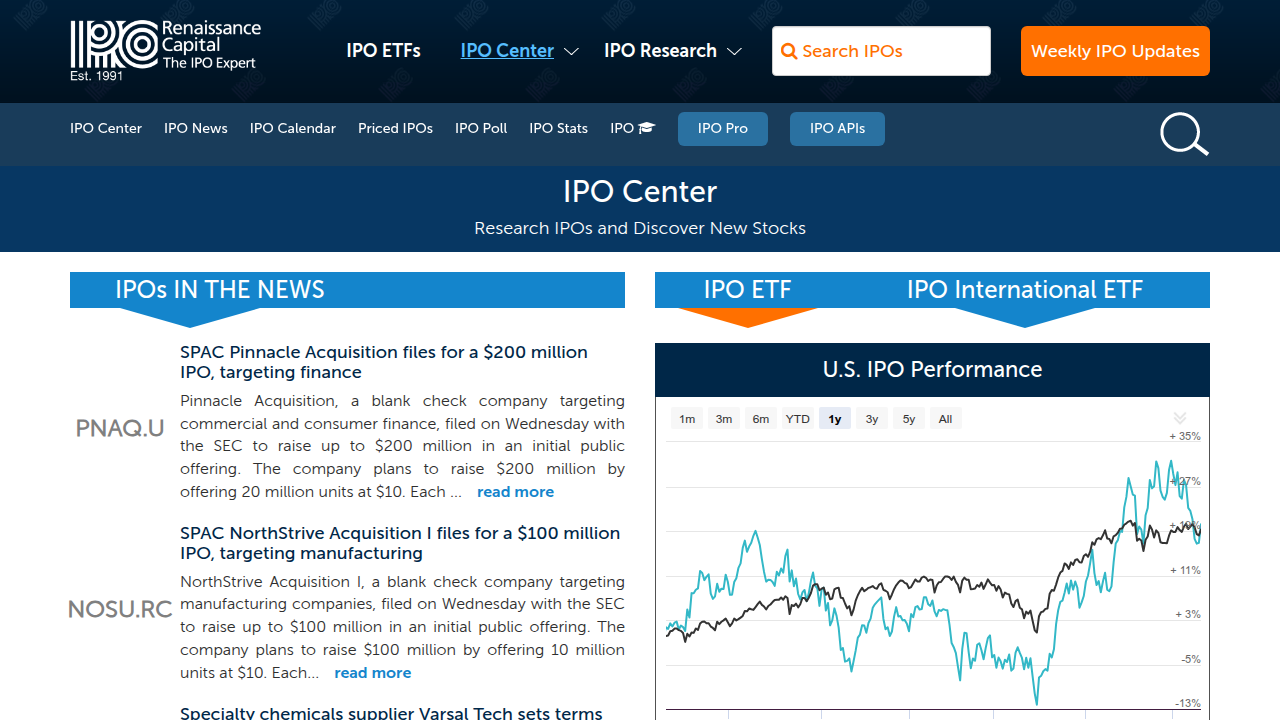
- Longer-Horizon Comparables: This looks at how the stock performs over several months or even a year after the IPO, comparing it to similar companies. While first-day returns get a lot of buzz, a company’s performance over a longer time gives a better idea of its health IPO Cohort Performance by Year | Data Study – stockscreenr.
Where do professionals find these numbers? Some key metrics like the offer price, proceeds, and float percentage come from official company documents. These are public filings that companies submit before they go public. However, real-time prices, initial-day performance, and more detailed historical data often come from market-data providers. Places like Bloomberg BBG offer powerful tools to get this kind of information quickly. You won’t typically find these deep metrics discussed on cnn pre markets segments in great detail, but rather in specialized reports.
Understanding these metrics helps you make smarter choices. For example, knowing the float percentage helps you guess how easily the stock price might move. If you want to dive deeper into how market signals can inform your trading, consider learning how to monitor individual stocks. You can find useful insights on how to track a specific company, such as learning how to monitor Paramount stock with the right metrics and tools. This way, you can build your own view of an IPO, beyond what is said in general news.
While looking at market numbers helps, truly smart investors also dig into official company papers. These documents, filed with the government, offer important details that market data alone can’t show. Think of them as the rulebook for an IPO, guiding both the company and potential buyers.
Key Disclosure Documents and What to Scan For
Before a company can sell shares to the public, it must create a detailed document called a prospectus. This is a big report that tells you almost everything about the company and the IPO. In 2026, reading a prospectus is still vital for understanding an IPO and its risks, much like you would read an official US IPO Guide – 2026 Edition before investing.
Here are some important parts to check in the prospectus:
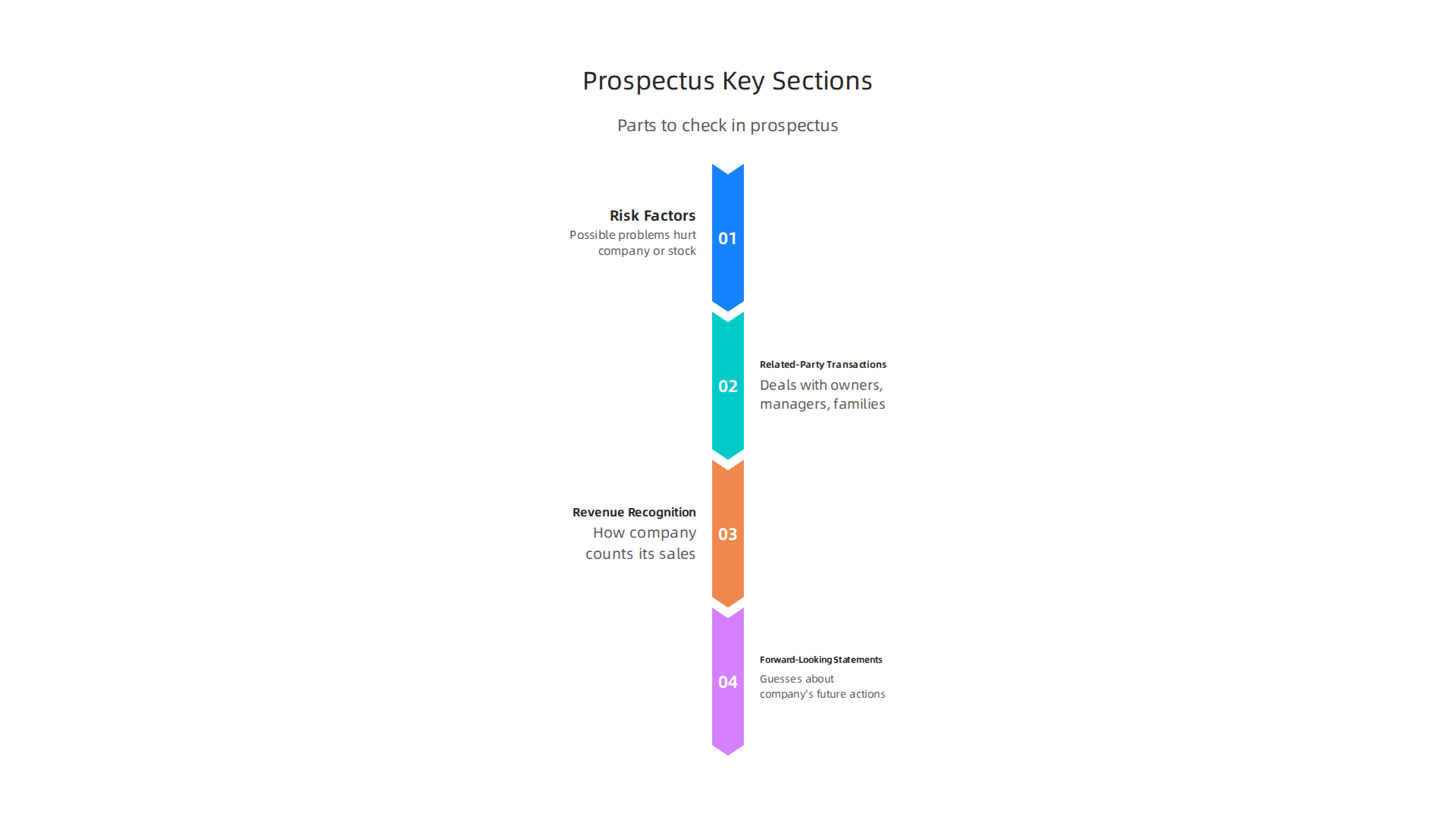
- Risk Factors: This section lists all the possible problems or dangers that could hurt the company or its stock. It’s like a warning label. Pay close attention to these.
- Related-Party Transactions: This shows any deals the company has made with its owners, top managers, or their families. You want to see if these deals are fair to the new investors.
- Revenue Recognition Policies: This explains how the company counts its sales. Sometimes, companies can be too quick to count money, making their numbers look better than they are.
- Forward-Looking Statements: These are guesses about what the company expects to do in the future. They are often positive, but the company must warn that these are just predictions and might not come true.
Also, new rules passed by the SEC in 2026 mean companies must be clear about things like when company directors or officers plan to sell their shares after the IPO. This helps you understand who is selling what and when, as detailed in reports like Key considerations for the 2026 annual reporting and proxy season.
Regulatory Changes and Investor Protections
The rules for IPOs are always changing to protect investors and make things simpler for companies. For example, in 2026, the Securities and Exchange Commission (SEC) proposed big changes to make it easier for public companies to offer shares and simplify their reports. These SEC Proposes Transformative Reforms to Help Public Companies. Such changes can affect how easily companies can go public and what kind of information investors get.
It is important for investors to keep up with these rules.
These types of official documents and regulatory news are often discussed in detail by finance pros and can also become hot topics on platforms like financial reddit where investors share insights and warnings. Understanding these parts of an IPO helps you make smarter choices about new stocks. For more insights on how company specifics influence market dynamics, you might find it useful to read about Why Reddit stock matters: market dynamics, valuation, and investor insights.
Before you can make smart choices about new stocks based on those official company papers, you need to know how to truly understand the numbers inside them. Raw data can be tricky. It’s like looking at a rough drawing instead of a clear photo. Smart investors take this raw data and "normalize" it, which means making fair adjustments so they can compare companies apples-to-apples.
How to interpret IPO data and convert it into investment insights
To get real investment insights from IPO data, you must go beyond the surface. One key step is to normalize the reported numbers.
This means making changes to the financial figures so different companies can be compared fairly, even if they report things a little differently. For example, some companies might have "one-time items" that boost or hurt their earnings in a way that won’t happen again. These need to be adjusted out to see the company’s true ongoing performance.
Another common adjustment is for different fiscal year ends. If Company A reports its year ending in December and Company B ends in March, their recent numbers aren’t directly comparable. Also, things like stock-based compensation, which is when companies pay employees with shares instead of cash, can affect how many shares are out there and what the company’s true costs are. Experts watching the "bloomberg ipo" market or reports from "cnn pre markets" always consider these adjustments. Understanding these steps helps you analyze IPO data better, much like learning how to monitor paramount stock with the right metrics and tools. Learning how to collect and study this data is a key part of the IPO Valuation process.
Once the numbers are clear, the next step is valuation. This is about figuring out what the company is actually worth. There are a few main ways to do this:
- Comparables (Multiples): This method looks at how similar companies that are already public are valued. You might compare a new tech IPO to other well-known tech stocks based on ratios like Price-to-Earnings or Enterprise Value-to-Revenue. These "bloomberg bbg" multiples give you a sense of what the market thinks a similar business is worth. Often, this is the most common method used by financial experts when looking at new stocks.
- Precedent Transactions: Here, you look at what other similar companies have been bought or sold for in the past. This gives you a baseline for valuation, especially if the IPO company operates in an industry where mergers and acquisitions are common.
- Initial Public Pricing Dynamics: This is about how the company and its bankers decide on the first price for the shares. They consider how much interest there is from big investors and try to price the stock to ensure a good start without leaving too much money on the table for the company. You can learn more about these different ways to value a company before it goes public in guides like Pre-IPO Valuation Methods: A Guide for Sophisticated Investors.
Each method has its best use. Comparables are great for finding a fair market price quickly. Precedent transactions are helpful for understanding what a buyer might pay for the whole company. By using these lenses, you can turn raw IPO data into clear insights, giving you a better chance to unlock investment signals from a warren buffett meeting and make more informed investment decisions. Discussions on platforms like "financial reddit" often revolve around comparing these valuation methods.
After figuring out what a new company is really worth, the next step is to put all that knowledge into action. For busy people, you need a quick way to check out new IPOs and decide if they are worth your time. This means having a clear plan to turn all the information into smart decisions.
Practical workflow: using IPO coverage to inform decisions (templates)
Here is a simple plan to help you quickly look at IPO news and decide what to do:
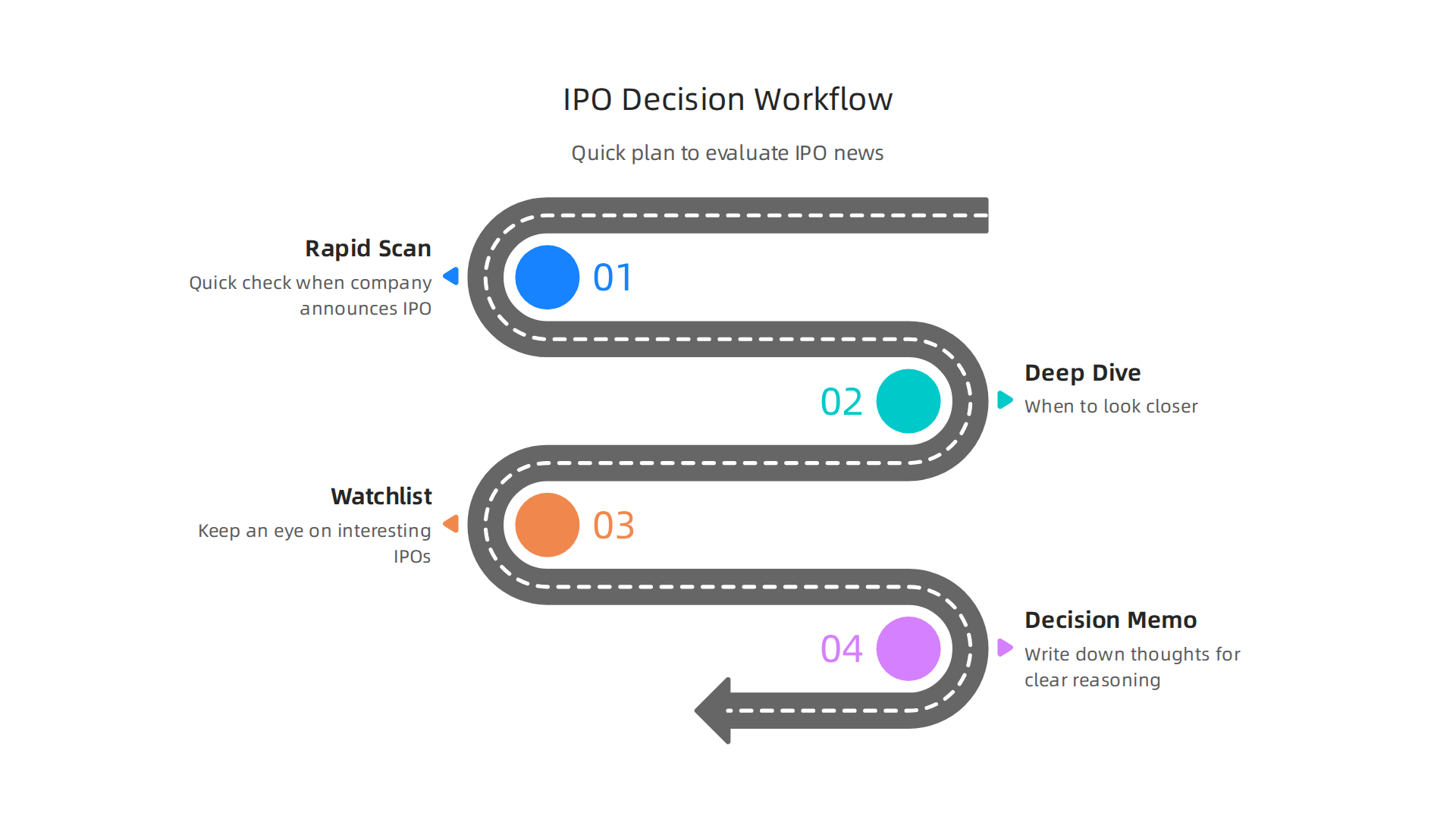
1. Rapid-Scan Checklist: First Look
When a new company announces its plan to go public, you can do a quick check. Look at big news outlets that cover "bloomberg ipo" news or "cnn pre markets" reports. These places often give a fast summary.
- Company Name & Industry: What does the company do? Is it in a growing area, like AI or new energy?
- Money Raised: How much money does the company want to get from selling shares?
- Lead Banks: Which big banks are helping with the IPO? Their names can tell you a lot.
- Key Headlines: Scan news stories for big wins or big worries about the company.
The IPO market in 2026 is seeing a lot of new activity, especially in areas like AI, as discussed in A Larger, Broader IPO Market Takes Shape in 2026. So, knowing which sectors are hot can guide your quick scan.
2. Deep-Dive Triggers: When to Look Closer
Most IPOs won’t need a super deep look. But some will catch your eye. These are your "deep-dive triggers":
- High Interest: If many news stories or financial reddit posts are talking about it, it might be worth more time.
- Strong Growth: The company shows fast growth in sales or users.
- Good Management: The people running the company have a strong history of success. Learn more about getting a company ready for this level of public scrutiny in the From Private to Public: The IPO Readiness Guide 2026.
- Unique Product: The company offers something new or better than anyone else.
- Valuation Looks Good: After your initial check, the company seems to be priced fairly or even a bit low.
When these triggers appear, it’s time to dig deeper into their official paperwork and analyst reports. This is where you might use tools like "bloomberg bbg" terminals for more detailed data. For busy professionals, getting clear daily updates on big tech developments, especially in AI, can make a difference. Consider checking out The AI Newsletter Worth Reading.
3. Watchlist Creation: Keeping an Eye on Things
Even if you don’t buy shares right away, you should put interesting IPOs on a watchlist. This means you list them somewhere and check on them over time. You can use your trading app or a simple spreadsheet.
- Price Changes: See how the stock price moves after it starts trading.
- News Updates: Keep an eye out for more news about the company’s progress.
- Earnings Reports: Check how much money the company makes each quarter.
Keeping a watchlist helps you see how new companies do after their IPO. This helps you learn for future investments. It is also good to understand how big market signals like How US Stock Futures Predict Big Tech Stock Moves can affect new listings.
4. Building a Decision Memo or Investment Thesis
After you’ve done your rapid scan and deep dive, it’s time to write down your thoughts. This can be a short note or a more detailed plan.
- Summary: What’s the main idea about this company? Is it a "buy," "watch," or "avoid"?
- Reasons: Why do you think that? Use facts from the company papers, market numbers, and news stories.
- Risks: What could go wrong? Every investment has risks.
- What to Watch For: What changes would make you change your mind?
This step helps you clearly see your reasoning. It makes your investment choices stronger and helps you avoid emotional decisions. It’s how you turn all the raw information into a clear path forward.
After you have a plan to check out new IPOs, it is important to remember that not all information is made equal. News reports, even from trusted sources, can sometimes have biases. This means the way they share information can be a bit tilted, making a company look better or worse than it really is.

Learning to spot these common reporting biases helps you make smarter choices.
Common reporting biases and how to detect them
When you read about a new IPO, you want the facts. But sometimes, news can be shaped in ways that are not fully balanced. Here are some common biases and what to look for:
1. Hype-Driven Headlines
News often tries to grab your attention. This can lead to headlines that sound very exciting or very scary, even if the real story is somewhere in the middle.
- How it distorts: A headline might say an IPO is "the next big thing" or a "guaranteed winner." This can make you feel like you need to invest right away, even if the company’s actual papers don’t show such huge promise. The reverse can also happen, where a headline makes an IPO seem doomed.
- Red flag: If a headline uses very strong words like "massive," "failure," "skyrocketing," or "crashing," read the full story very carefully. Then, look for facts and numbers from the company’s official filings with the SEC. These official documents are the best place to find basic facts about the company, like its business type and what it is offering to investors, as described in the US IPO Guide 2026 Edition.
2. Selective Sourcing
Sometimes, news stories pick and choose which experts or facts they want to share. They might only talk to people who agree with a certain view, or only show numbers that support their story.
- How it distorts: If a report only quotes people who are very positive about an IPO, it might hide any problems or risks. Or, if it only shares bad news, you might miss the good parts.
- Red flag: Notice if a story only gives one side of the coin. Does it mention any risks? Does it share what others might think? Look for reports that offer different viewpoints. When reading market chatter, like what you might find on financial reddit forums, remember that these are often full of strong opinions. Make sure to compare these views with official company reports and independent financial analysis.
3. Conflict-of-Interest Signals
This is when the people reporting the news or the experts they quote might have a reason to want a certain outcome for the IPO. Maybe they own shares in the company, or their bank is helping the company go public.
- How it distorts: If a news outlet’s parent company stands to gain from a successful IPO, their coverage might be overly positive. Or, an analyst could be biased if their firm makes money from advising the IPO.
- Red flag: Always check if the news source or the experts quoted have any stated conflicts of interest. Major news outlets usually tell you if they do. For example, if a financial guru on a forum like "stock lending robinhood reddit" strongly pushes a stock, check if they personally benefit from it. It is always wise to filter Yahoo Finance news for big tech market insights without the noise to ensure you are getting objective information.
By keeping an eye out for these biases, you can better understand the real story behind an IPO. This helps you make decisions based on clear facts, not just exciting headlines or one-sided opinions.
After learning to spot reporting biases, the next step is to build a smart system for how you find and use information about new IPOs. This system helps you make sure you’re always getting the best and most honest facts.
Build a repeatable intelligence process for IPOs
To really understand an IPO, you need a good process that mixes computers and people. Think of it like this: some tasks can be done by machines, and some need a human brain.
Using Technology for Smart Data
Special computer programs or tools are great for gathering lots of facts quickly. They can automatically pull important numbers from official company papers or track what’s happening on news sites like cnn pre markets. These tools can also send you alerts when there’s new information about a bloomberg ipo you are watching.
For example, tools can quickly collect data about how companies are valued before they go public. This often involves looking at different ways to figure out a company’s worth, as explained in a guide on Pre-IPO Valuation Methods for investors. These automated systems help you get a wide view of numbers very fast.
Where Humans Come In
But a computer can’t truly understand why a company is doing something or what a tricky news story really means. That’s where you come in. Your job is to make sense of the stories, connect the dots, and use your good judgment. This is super important when you look at social media. What people say on financial reddit or even forums like stock lending robinhood reddit can give you clues, but it needs a human to figure out if it’s true, just a strong opinion, or a passing trend. Learning how to analyze TLRY Reddit sentiment for smarter trades can help you sift through these discussions.
How to Check Your Information Quality
To make sure your process works well, you need to check its quality over time. You can set up simple goals, like how many reliable sources you check for each bloomberg bbg IPO news story. And you should always watch your sources. Is a certain news site always giving you good, balanced info? Or is it often full of noise, like exciting headlines without real facts? Over time, you’ll learn which sources give you the best "signal" (useful info) and which ones are just "noise" (distractions).
By having a clear process for gathering and understanding information, you’ll be better prepared to make smart choices about IPOs in 2026 and beyond.
Get clear daily AI updates from The Deep View Newsletter. The AI Newsletter Worth Reading
Summary
High-quality IPO reporting lets market professionals move faster and with more confidence by turning raw announcements into actionable insight. This article explains how top financial newsrooms structure IPO coverage—deal timelines, offering terms, underwriters, lockups and ownership—and why those elements matter for valuation and trading decisions. It walks through the key metrics to monitor (offer price, float, proceeds, initial-day and longer-horizon performance), what to look for in prospectuses (risk factors, related-party deals, revenue recognition), and how 2026 regulatory changes reshape disclosure. The guide also covers practical steps: normalizing financials, common valuation methods, a rapid-scan checklist, deep-dive triggers, and how to build a repeatable data-plus-human process. Finally, it warns about common reporting biases and shows how to combine automated tools with human judgment so you can make smarter, faster IPO decisions.