

For leaders and investors in 2026, understanding the companies making big moves in artificial intelligence is crucial.

It’s not enough to just know a company’s name; you need to dig deeper into its story and the people who lead it. This is especially true when we talk about innovators like lucid ai.
Why does this matter so much? Well, the history of a company and its leaders really shapes how it will grow and what kind of technology it will build. For example, some companies that use the "Lucid" name in their branding were started many years ago with different goals. One company called Lucid Software was co-founded by Karl Sun and Ben Dilts in 2010 to help people work together visually online
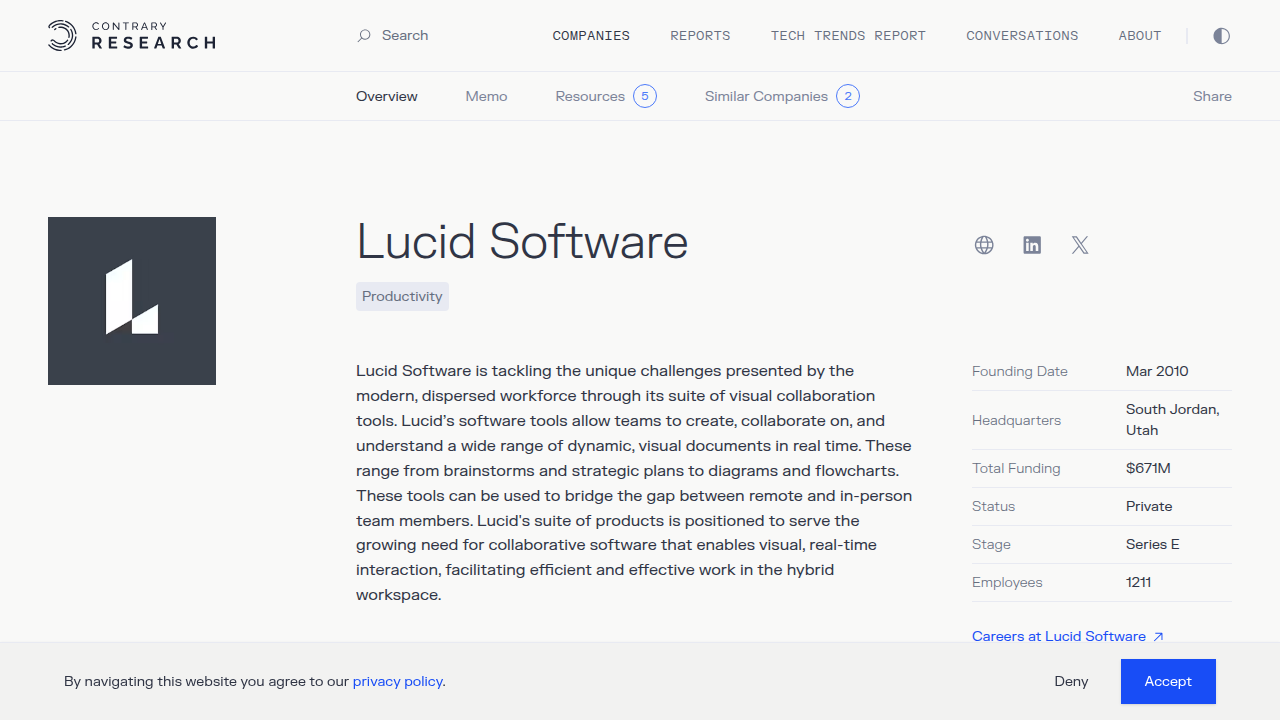
Lucid Software Business Breakdown & Founding Story. But today, there are other companies, also using names like Lucid or Lucid AI, that are focused purely on cutting-edge artificial general intelligence.
Knowing who started a company, when they started it, and what their main focus was can tell you a lot about where they are headed. This helps executives make smart choices about who to partner with or even buy. For investors, it’s about seeing which company truly has a special technical edge versus one that just has good marketing. For instance, you might hear about "Lucid" in the news, but is it the visual collaboration company or a newer AI streaming app founded by Indy Sanders and Asia Stewart in 2023 Lucid? Or perhaps you are thinking of the company where Michael Stewart is the founder, chairman, and CEO, focused on intelligent systems that understand meaning PlanetTech interviews Michael Stewart, founder, chairman and CEO of Lucid AI? These are all different.
Being able to tell the difference between what a company says it does and what its technology actually does is key in the fast-paced world of artificial intelligence. It helps you avoid shiny new things that don’t have real power behind them. When you understand the core mission and the technical brains behind a company like lucid ai, you can make better choices that lead to real success. To truly master AI, a strategic approach is needed to unlock AI mastery.
Don’t get lost in the sea of AI news.
Get clear daily AI updates from The AI Newsletter Worth Reading.
Distinguishing between companies that share similar names like "Lucid" or "Lucid AI" helps us understand what makes each truly special. It’s like looking at the roots of a tree to know how it will grow. Different founders bring different ideas and experiences, which shape the company’s path, especially in new fields like artificial intelligence.
How Lucid AI started: founding story, mission, and leadership
When we talk about "Lucid AI," it is important to remember that this can refer to several different companies, each with its own start and goals. These different stories tell us a lot about their focus and what they aim to do in the world of artificial intelligence.
For example, Michael Stewart, a long-time entrepreneur, founded The Lucid Companies. His career spans over 30 years, showing a deep focus on intelligent systems that can understand the meaning of information, much like people do
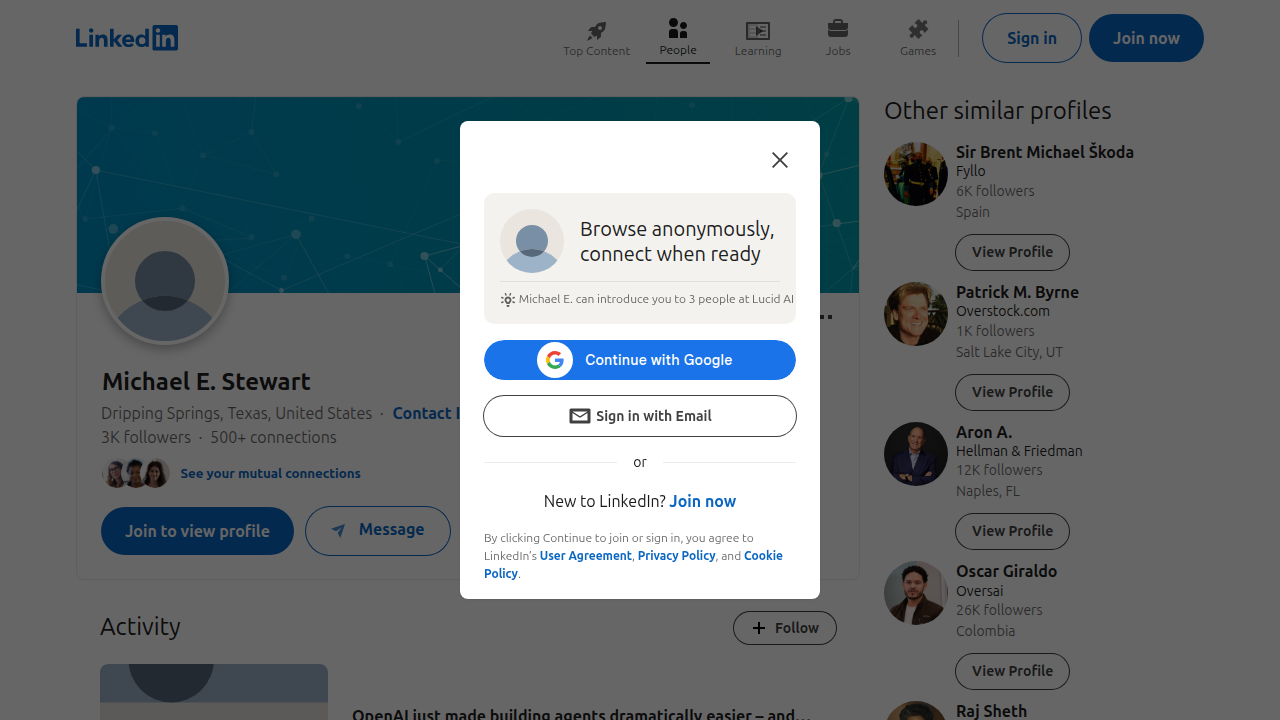
Michael E Stewart LinkedIn Profile. This mission to create systems with human-like understanding is a key part of his version of lucid ai, pushing towards advanced artificial general intelligence openai concepts.
Then there is Indy Sanders, who co-founded a company called Lucid in July 2023 with Asia Stewart. This Lucid is an AI-powered streaming app that aims to create new media experiences for younger generations. Indy Sanders, a former professional athlete and a recognized entrepreneur, brought her drive and unique perspective to connect users with content based on their mood and personality Lucid Streaming App Founder Indy Sanders. This shows how AI can be used in fresh ways, making content more personal. Her company, described as "Lucid, with AI," aims to push boundaries in how we interact with streaming media Lucid Aims to Push Boundaries on Streaming.
Another leader, Clyde Tadiwa, founded his own company called Lucid (lucid-ai.co), focusing on using artificial intelligence and machine learning to improve learning and research. His mission is to build technologies that can change how we learn and discover new things Clyde Tadiwa LinkedIn Profile. This focus on transformative technology for knowledge shows a different but equally important path for lucid ai.
Even in other areas, like robotics, we see "Lucid" names. Andrew Ashur started Lucid Bots in 2018, building AI-powered drones and robots that make jobsites more efficient Andrew Ashur on LinkedIn. And Rami Seid co-founded a different Lucid, which is working on interactive video models and even a "universe simulator" Lucid Interactive Video Models.
These varied founding stories and the backgrounds of their leaders highlight the many faces of lucid ai.
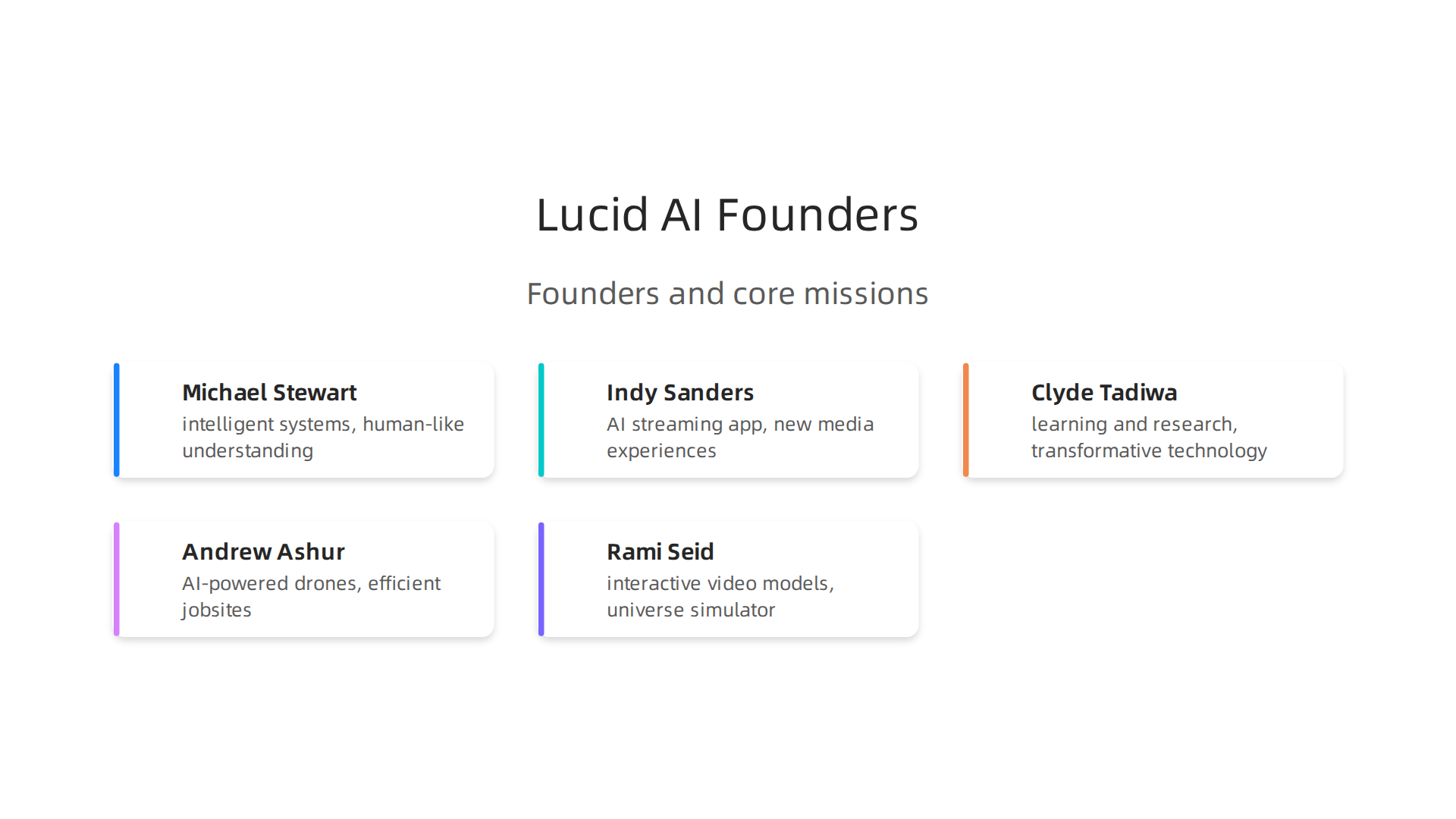
Each company, with its unique mission and technical brains, is contributing to the forefront ai landscape in its own way. Understanding these individual paths is key for anyone trying to make smart moves in the tech world of 2026. For those wanting to learn more about the broader AI landscape, consider how to navigate business technology in 2026 with AI strategies for growth and compliance.
Now that we know about the many founding stories of companies called "Lucid" or "Lucid AI," it’s time to look at how they make money, where they get their investments, and where they stand in the big picture of technology. This is tricky because, as we saw, "lucid ai" is not just one company. Each one has its own way of doing business and its own money journey.
Business Model, Funding, and Market Positioning of Lucid AI
For most companies using artificial intelligence, how they make money usually falls into a few main types.
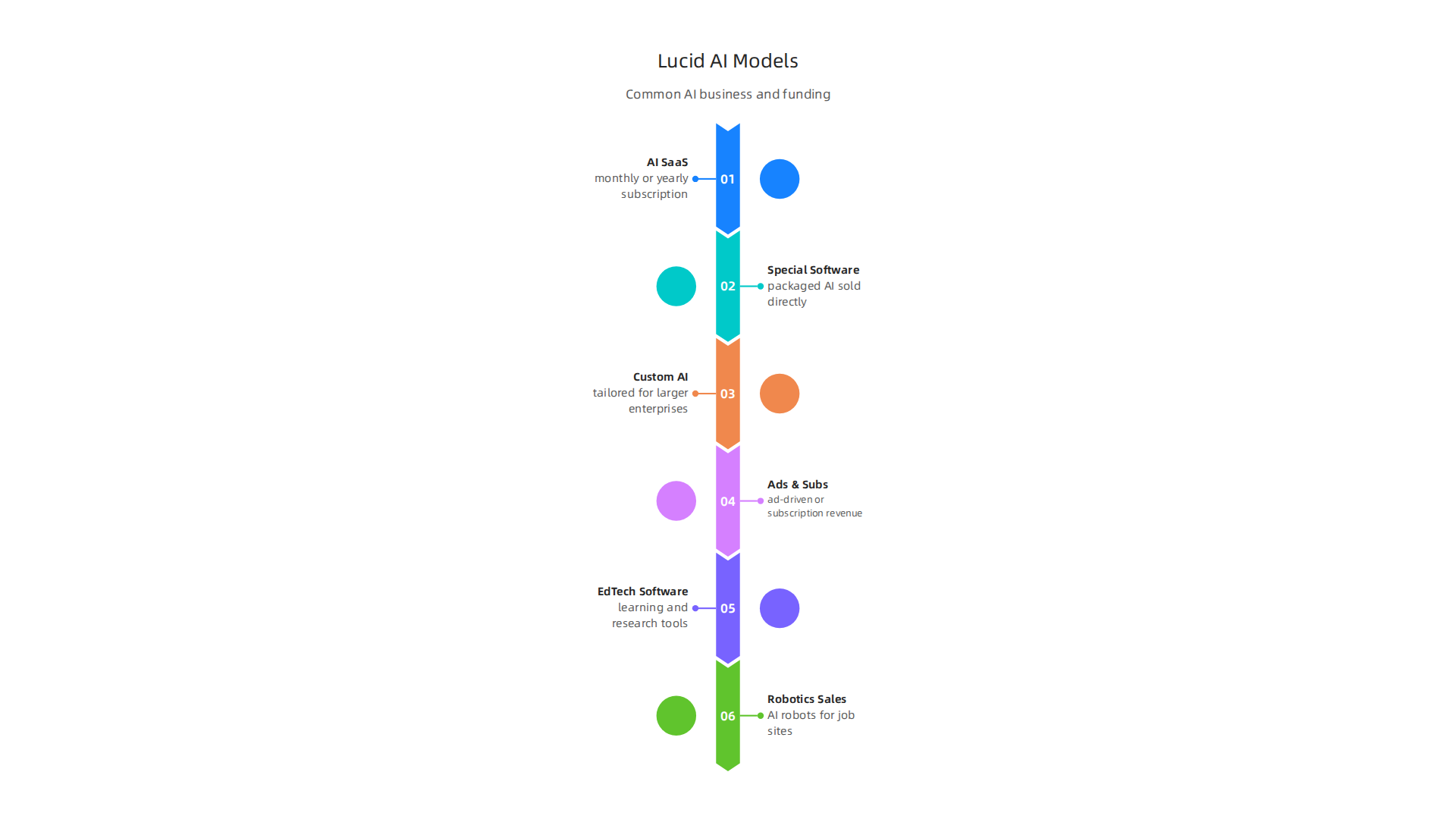
They might offer their AI as a service that people pay for each month or year, like a subscription. They could also sell special software that uses AI, or provide custom AI solutions to bigger businesses.
When we look at specific "Lucid" companies that involve AI, their business models vary greatly. For example, an AI-powered streaming app like one of the Lucids mentioned might make money from ads or paid subscriptions, helping people find content that fits their mood. A Lucid focused on learning and research tools would likely sell its software to schools or companies, or offer services to help with studies. Companies making AI robots, like Lucid Bots, would sell their robots or offer them for tasks on job sites.
Funding and Growth for Different Lucids
The money side is also quite different for each "lucid ai" company.

Let’s start with a company that directly used the name "Lucid AI." This specific company raised about $60 million in total funding around 2017 Lucid AI Revenue, Funding & Valuation. However, it was later noted that this particular Lucid.AI stopped its operations by August 2024, showing that not all ventures in the "forefront ai" space succeed Lucid.AI 2025 Company Profile.
On the other hand, a company like Lucid Software, which makes popular online drawing and visual workspace tools and uses AI in its products, has seen much larger success in funding. They have raised a total of $166 million across 8 funding rounds. In 2021, they received a big investment of over $500 million, which made the company worth $3 billion at the time Lucid Raises $500M+, Valued at $3 Billion. This kind of funding lets a company grow fast, hire more people, and build even better products. Key investors in Lucid Software include firms like ICONIQ Capital and Meritech Capital, helping them stay strong in the market of 2026 Lucid Software Fundraises.
Other "Lucid" companies, especially newer startups working on advanced ideas like interactive video models or custom artificial general intelligence openai concepts, might start with smaller amounts of money from angel investors or early-stage venture capitalists. Their funding journeys are just beginning as they try to make their mark in the tech world.
Market Positioning
Each "Lucid AI" company aims for a unique spot in the market. Some want to make daily life easier, like streaming apps that know what you like. Others focus on business, helping companies work smarter or learn faster. The ones working on more complex AI, aiming for systems with human-like understanding, are pushing the boundaries of what AI can do, truly being part of the "tech reborn" movement.
Understanding these different business models and funding paths is key to seeing how diverse the "lucid ai" landscape truly is. It helps explain why some grow big while others face challenges. For those who want to keep up with the fast-changing world of AI and technology, staying informed is very important.
To keep your knowledge sharp about the latest in AI and tech, make sure you’re getting trusted updates. The AI Newsletter Worth Reading offers clear daily insights that can help you understand the next big trends. For a deeper dive into improving your understanding of AI, explore how to unlock AI mastery the strategic guide to study AI effectively.
Thinking about how different "Lucid" companies make their money helps us understand them better. Now, let’s look at the special technology and new ideas that make these "lucid ai" ventures stand out. It’s not just about what they sell, but how they build their smart tools.
Core technology and research contributions
Many "Lucid" companies, especially those in the forefront ai space, are working on exciting new ways for computers to learn and act. They often create special computer programs, called models, that handle huge amounts of information. These models are different in how they are built and how they learn.
Unique Models and Data Skills
One big way these companies show their smarts is through their unique AI models. For example, some "LUCID" projects aim to teach robots new skills by watching human videos. This means the robots can learn complex tasks without needing to be programmed step-by-step for every little movement. A recent paper from June 2026 introduced a framework called LUCID: Learning Embodiment-Agnostic Intent Models for this very purpose, helping robots understand human actions better.
Other "Lucid" groups use generative AI, which can create new things like images or text. One such tool is the LUCID Methodological Framework and Toolkit. It helps researchers use AI to act like a helpful assistant in studies, showing how AI tools are transforming academic research in 2026. Still another project, LUCID-XR: An Extended-Reality Data Engine, creates realistic data for training robots in different situations. This is a big deal because robots need a lot of varied data to learn well.
These companies also have clever ways of handling data. Some might use special datasets they collected themselves, while others find new ways to make sense of existing information. For instance, some "LUCID" systems focus on detecting bad traffic, like cyberattacks, using light and fast deep learning techniques LUCID: A Practical, Lightweight Deep Learning Solution for DDoS. This shows their commitment to not only building powerful AI but also making it practical and safe.
Advanced Research and Reproducible Results
The "tech reborn" movement in AI often comes from groundbreaking research. Many "Lucid" entities publish their findings, contributing to the larger pool of knowledge. For instance, new ideas like "Cognitive Drift in Generative AI" are being explored to monitor how well AI understands things over time, ensuring it remains helpful and accurate Cognitive Drift in Generative AI.
These research efforts often lead to specific ways that models are built or designed. Some are even working on pushing the limits towards artificial general intelligence openai concepts, where AI can understand and learn like humans across many different tasks. This requires truly new ways of thinking about how AI works. For those interested in how these advanced AI concepts can shape understanding, exploring how artificial general intelligence images drive strategic insights can be very useful.
These contributions, from new robot learning methods to advanced generative models, show that the "lucid ai" ecosystem is a hub of real innovation. They are not just using AI, but actively making it better for everyone.
Building on the smart technologies we just talked about, many "Lucid" companies are turning these advanced ideas into real products and services that help people every day. They package their lucid ai solutions for businesses and individuals, making sure their clever inventions have clear, useful jobs.
What Lucid AI Products Offer
The main things these companies sell are often software or platforms that use AI to make work easier and faster. For example, some Lucid companies focus on improving how teams work together. They use AI to help with tasks like creating documents, managing projects, and speeding up workflows. In 2026, Lucid Software shared how it’s helping businesses get ready for AI by making it easier to create and manage the important papers needed for successful AI projects Lucid Software launches capabilities to close the AI readiness gap. These forefront ai tools are designed to boost how quickly things get done.
Other "Lucid" offerings include special AI search tools. These tools help companies make better sense of their own data, so they can find information faster and make smarter choices. One such example is Lucidworks, which recently released a study highlighting how AI can help companies improve their digital experiences Lucidworks 2026 AI Benchmark Study Reveals Glaring.
How They Connect and Are Used
These AI products often work by connecting with other popular tools and systems. For instance, many of Lucid’s AI features are built using services like Microsoft Azure OpenAI Service, which shows how they team up with big tech to deliver powerful solutions. If you’re a developer, you can even use AI tools that connect directly to Lucid Developer Documentation, letting you build your own smart features on top of their platforms. This kind of teamwork makes sure their lucid ai tools can fit smoothly into almost any company’s existing setup.
These integrations make it easier to see how artificial general intelligence openai concepts are moving from theory to practical use. Companies like Lucid are not just building advanced AI, but also the "roads" and "bridges" for these AI systems to talk to each other. This includes making frameworks for The Coordination & Settlement Layer for AI Agents, which is crucial for how different smart programs can work together safely and clearly. For professionals trying to keep up with these changes, understanding how AI is being put to use is key to navigating business technology in 2026 with AI strategies for growth and compliance.
The practical uses for these "Lucid" products are wide-ranging.
They help businesses in areas like:
- Boosting creativity: By offering AI tools that suggest ideas or make visual content.
- Automating tasks: Taking over repetitive jobs so people can focus on bigger problems.
- Improving security: Using AI to spot and stop cyber threats, as we mentioned earlier with DDoS detection.
- Making smart decisions: Giving leaders better insights from complex data.
Actually, many of these "tech reborn" companies want to supercharge your daily workflow, making things run smoother. They aim to make AI capabilities optional, letting users choose when and how they want AI to help them Lucid AI: Capabilities to Supercharge Your Workflow.
Want to stay ahead of the curve and get clear, daily insights into these fast-moving AI developments?
The AI Newsletter Worth Reading delivers the in-depth coverage you need.
While "Lucid" companies offer powerful AI tools, they don’t operate in a vacuum. The world of lucid ai is constantly changing, with many other smart companies also trying to help businesses and people. This creates a lively market where companies must stand out and work together to succeed.
Competitors and Market Position
In the race to offer the best AI solutions, many companies are creating tools that do similar things. For example, some rival companies also offer software that helps teams work better, makes documents, or manages projects using AI. Others focus on making sense of large amounts of data, much like the special AI search tools we talked about earlier. To stay at the forefront ai innovation, these companies constantly improve their tools.
For a company like Lucid, getting enough money to grow is very important. Several "Lucid" companies have received a lot of investments to help them build new technologies and reach more customers. For example, Lucid Software has raised many rounds of funding to support its growth Lucid Software Fundraises and has been valued quite high Lucid Software 2025 Company Profile. Another company, Lucid.AI, also secured funding to grow its solutions Lucid.AI 2025 Company Profile. This financial backing helps them compete with other big names in the technology space, ensuring they can keep pushing the boundaries of what lucid ai can do.
Strategic Partnerships and Alliances
Working with others is a smart way for "Lucid" companies to get their AI tools to more people and make them even better.

These partnerships can be with bigger tech companies, smaller specialized firms, or even other businesses that need custom AI help. For example, Lucid Motors, a company that makes electric cars, teamed up with big names like PwC and AWS to use artificial general intelligence openai type solutions in their finance groups. This helps them get ready for fast growth, especially as they launch new types of cars Lucid Motors: Scaling Finance Operations with Agentic AI. This shows how partnerships help different companies use AI in new and powerful ways.
These types of alliances are common for "tech reborn" companies. They help spread the use of AI into many parts of daily business, from making factories smarter to helping offices run smoothly. For instance, some partners help integrate lucid ai cameras into systems for agriculture or robotics, solving tricky problems in those fields ケーススタディ – LUCID Vision Labs. This teamwork means that advanced AI ideas move from a drawing board to real-world products much faster. Understanding these market movements is key to making smart choices in today’s tech world. If you want to dive deeper into the forces driving market changes, learning about World Market Order Is Being Reshaped By AI And Geopolitical Competition can be very helpful.
While innovation and market success are very important, the fast growth of AI also brings new questions about how it should be used. This is true for lucid ai tools too. People want to know if these advanced tools are safe, private, and fair. This means companies using lucid ai must pay close attention to risks and follow clear rules.
Risks, governance, and regulatory outlook for Lucid AI
Keeping data safe and private is a big deal for any company using AI. This means making sure that personal information does not get shared without permission. For lucid ai products, this could mean ensuring that when you use their tools, your information is handled with great care. Some "Lucid" companies offer features that let users decide if they want to use AI components in their products, showing they care about user choice and control over their data Lucid AI: Capabilities to Supercharge Your Workflow. When you install AI tools, sometimes they can access personal details like phone numbers or addresses. Because of this, it’s wise to review the developer’s privacy policy to understand how personal information is managed Lucid AI Microsoft Marketplace Overview.
To make sure things are handled properly, many "Lucid" companies follow strict rules and standards.
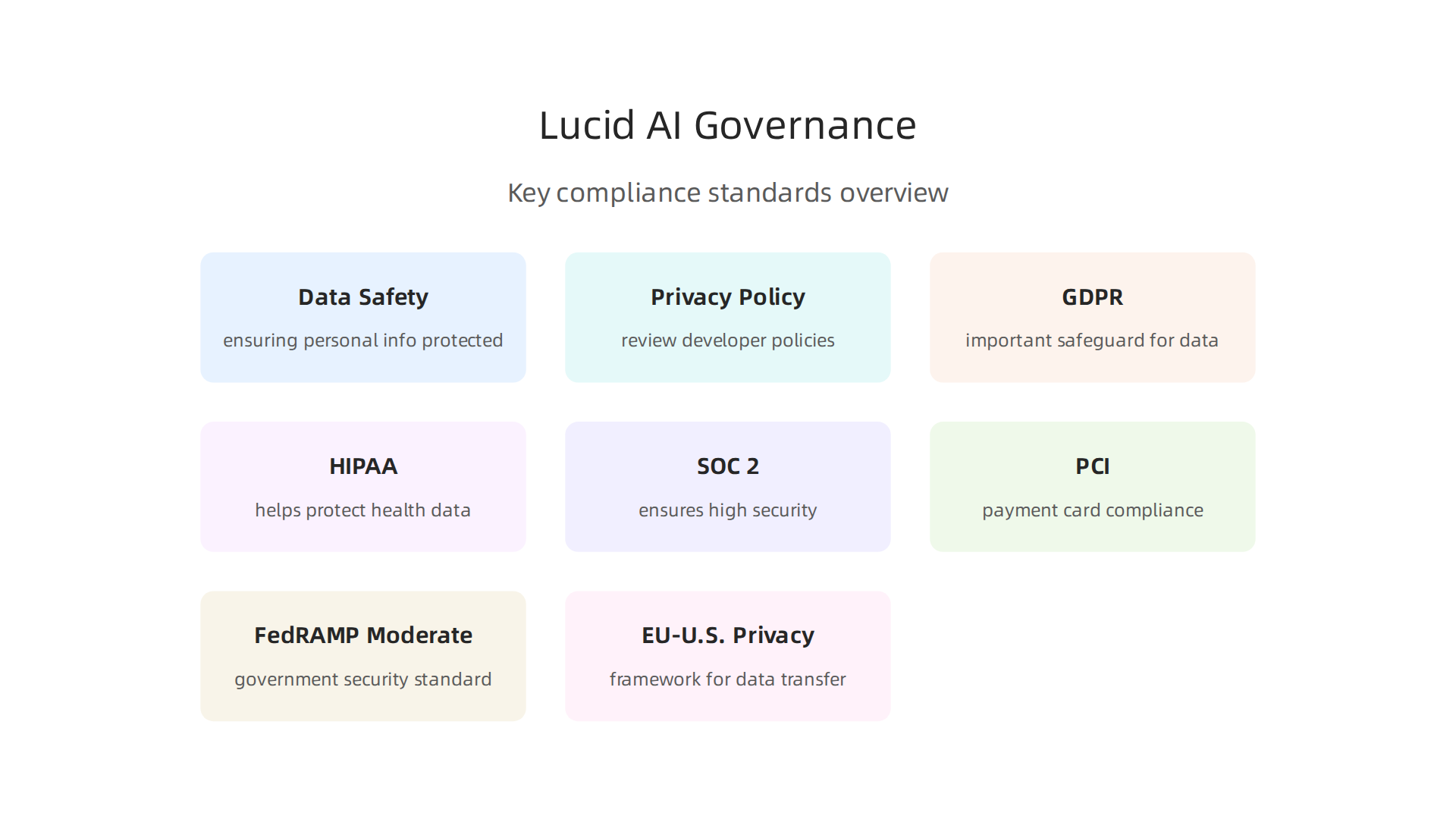
These can include important safeguards like GDPR, HIPAA, and SOC 2, which help protect data. The Lucid Developer Platform, for example, offers proof of compliance for many different sets of rules, covering more than 36 regulatory frameworks Lucid Developer Platform. This commitment extends to other areas, with some "Lucid" products maintaining compliance with standards like SOC2, PCI, FedRAMP Moderate, and the EU-U.S. Data Privacy Framework to ensure high security
Lucid Visual Collaboration Suite.
The world is still figuring out the best rules for AI. Governments are paying close attention to new AI tools, especially those that act like artificial general intelligence openai type solutions. They want to make sure AI is used in a good way and does not cause harm. For companies at the forefront ai like Lucid, this means always being ready for new laws. These laws might cover things like how AI makes decisions, how much data it can use, or how clear it is about what it’s doing. For business leaders trying to stay on top of all these changes, learning about navigating business technology in 2026 with ai strategies for growth and compliance is key.
Staying compliant with these rules is not just about following the law. It is also about building trust with users and customers. Companies in the tech reborn space understand that showing they are responsible with AI will help them grow and succeed for a long time. They know that transparency and ethical use of AI are just as important as the technology itself.
Get clear daily AI updates from The AI Newsletter Worth Reading.
Summary
This article explains why the name