

When very important investors like Warren Buffett hold a meeting, people all over the world pay close attention.

It’s not just a casual chat. A "Warren Buffett meeting" can be a big event that gives us early clues about what’s happening in the global money world, especially when it comes to huge companies like Big Tech.
Think of it this way: when top leaders or big investors get together, whether it’s for a company earnings call or a major event like "Abu Dhabi Finance Week", their words and moods act like signals. These signals can tell us how people feel about the market, what new plans big companies have, and where a lot of money might go next. Research shows that these kinds of meetings can actually make stock prices move because they give out new information about a company’s plans and how risky it might be seen Save The Date: Analyst/Investor Days as a Trading Signal.
These meetings are especially important for tracking Big Tech. Decisions made or hinted at can affect major players like those influencing "JP Morgan stock" or "Blackstone stock," and even change which ones become the "top gainers stock" overnight. By understanding what happens at a "Warren Buffett meeting" and other high-level investor events, you can get a better sense of what’s coming next for your own investments.
In this article, we will give you easy ways to understand what these meetings mean. You will learn how to use these insights to make smarter choices for your investments, understand possible risks from new rules, and see how companies are planning to beat their competition. Staying informed about these big events and their impact on sectors like AI and cloud infrastructure is key for any serious investor in 2026. For even more insights, consider getting The AI Newsletter Worth Reading.
You can also discover more about the market’s pulse by checking out our insights on top gainer stocks in 2026.
Interpreting a ‘Warren Buffett meeting’ as a macro signal
When big investors gather, like at a "Warren Buffett meeting" or the important "Abu Dhabi Finance Week", they don’t just talk about their own companies. They also send out big messages about the whole economy. These are called macro signals. Think of them as clues that show where the large amounts of money are going and what big risks or opportunities are coming next for everyone. These clues help smart investors understand what might happen to stocks like "JP Morgan stock" or "Blackstone stock".
There are a few key types of big-picture signals these meetings give off:
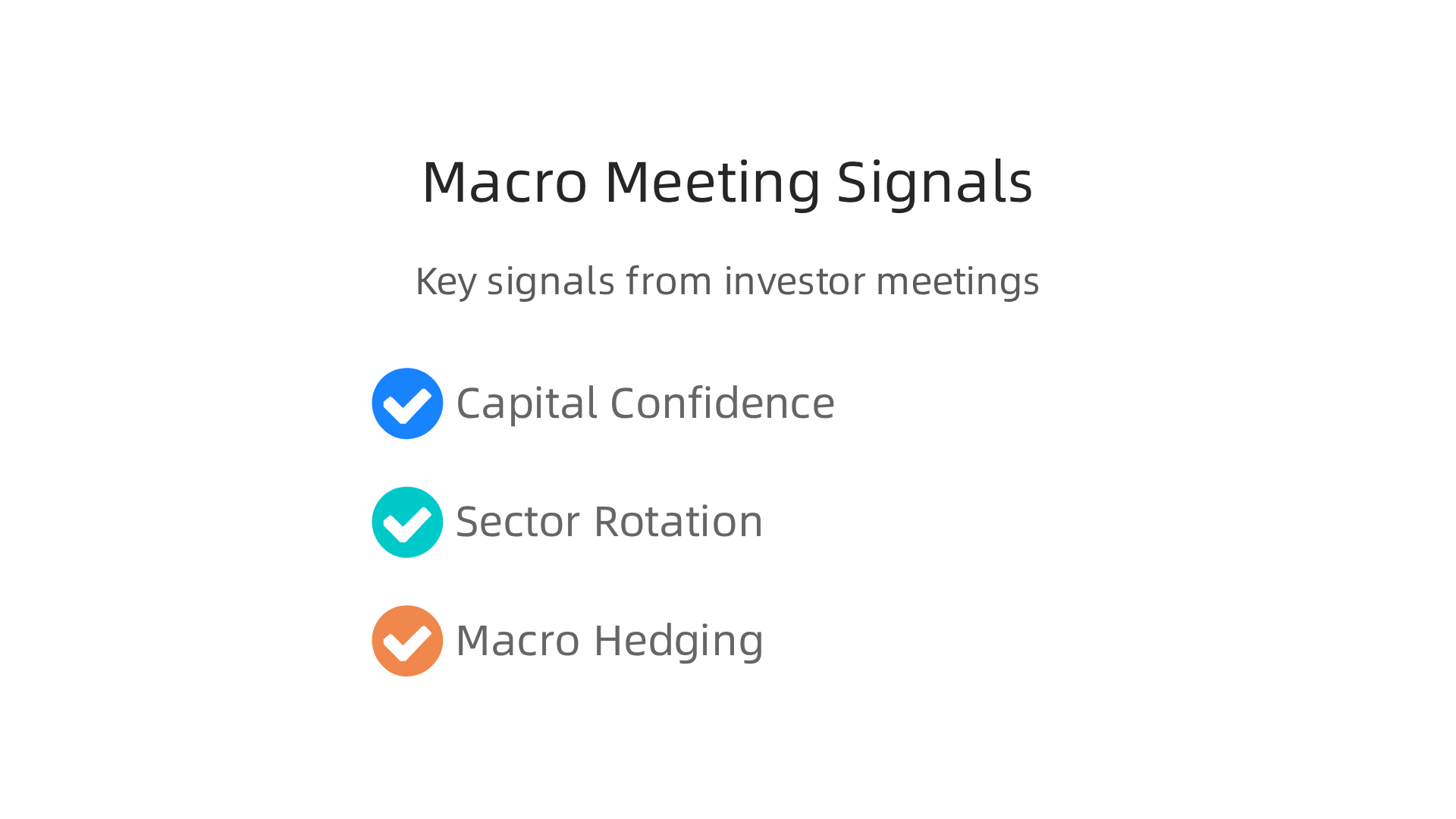
- Capital Confidence: This means how hopeful or worried big investors feel about the economy and the markets. If leaders sound happy and ready to invest, it means they have high capital confidence. This can make many different stocks go up, not just one. A surge in investor confidence, for example, can be a powerful market signal telling us about the health of the financial markets in 2026 Investor Confidence Surge: 7 Powerful Market Signals.
- Sector Rotation: This is when big money managers start moving a lot of money from one type of industry to another. For example, they might sell off shares in old industries and buy more shares in new tech companies, looking for the next "top gainers stock". A "Warren Buffett meeting" might hint at such a shift, perhaps from traditional businesses to fast-growing areas like AI infrastructure. Keeping an eye on these shifts can help you better understand what might move the market, like seeing how stock market open today daily insights to master your trading strategy reflect these movements.
- Macro Hedging: This is about how big investors try to protect their money from big risks in the economy. They might talk about putting money into safer investments or preparing for problems like inflation or slow growth. These discussions give clues about where they see the biggest dangers in the world economy.
It is also important to know that not all signals are the same. Sometimes, information from private talks is more important than public announcements. Research shows that investors can learn a lot from private meetings with company leaders, which can help them make better choices What Do Investors Learn in Private Meetings? Evidence. These private talks can give a deeper look into a company’s plans or problems that are not shared in big public gatherings.
Public meetings and follow-up actions, like when a company buys another firm, are strong signals because everyone can see them. But even small changes in what a leader like Warren Buffett says, or how they say it, can hint at big changes for many industries. So, paying attention to both the big news and the quiet whispers can give you a real edge.
To get even more detailed insights into the fast-changing tech world, you should definitely check out The AI Newsletter Worth Reading.
When you look at big events like a "Warren Buffett meeting" or the important "Abu Dhabi Finance Week", it’s not just about what is said, but also about who is there. The mix of people at these gatherings changes how we understand the messages and signals they send.

It’s like watching a play: who is on stage really changes the story.
Who Attends and What They Signal
Different kinds of people at these meetings give different clues about the economy and markets:
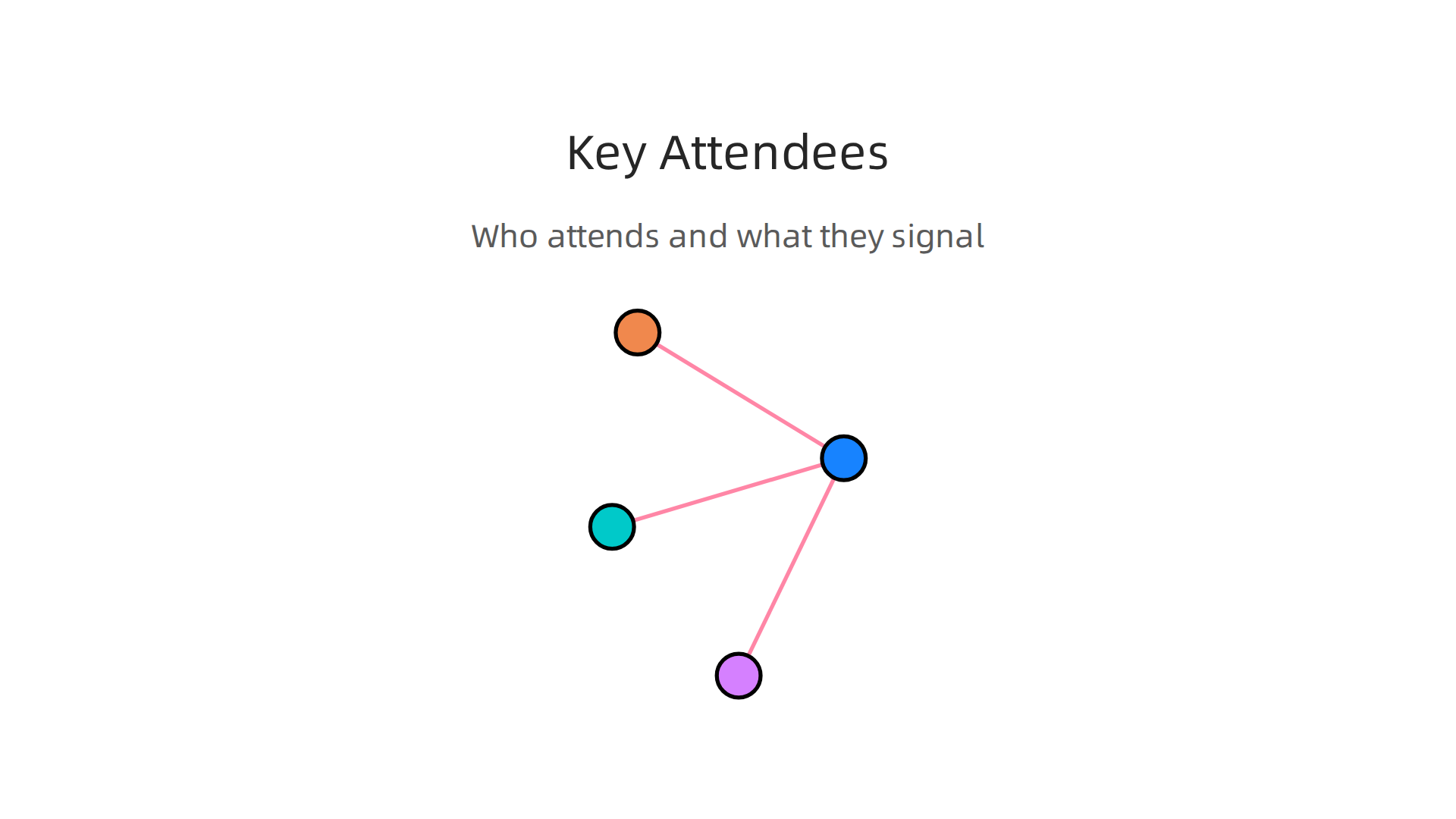
- Big Investors: When major investors attend, they bring their capital confidence. If they seem eager to put money into companies, it suggests they feel good about the future. Their actions after the meeting, like buying more JP Morgan stock or Blackstone stock, can show what they learned.
- Company Leaders (CEOs): CEOs share what their companies are planning. If a CEO from a fast-growing industry talks about new projects, it could hint at which sectors might have the next "top gainers stock". Their words can shape the future for many businesses.
- Government Officials and Regulators: Sometimes, central bank leaders or other government officials are present. What they say is watched very closely because it can affect everyone. For example, comments from a Federal Reserve leader can make markets very active and sometimes even volatile The Market Impact of Fed Communications: The Role of the …. Their insights often point to big economic trends or risks, which is important for understanding investment events in 2026 Investment events to watch in 2026.
- Market Influencers and Media: These people help spread the news. What they hear and share from a meeting can quickly become widely known, shaping how many people think about the market.
How Messages Spread
Once a big meeting like a "Warren Buffett meeting" happens, the messages and ideas don’t stay in the room. They spread out, like ripples in water, through different pathways:
- Market Narratives: These are the common stories or ideas that people start to believe about the economy or certain industries. For example, in early 2026, some investor conferences saw talk about a "sell America" trend 2026 Themes Emerge Leading Into a Busy Q1 Second Half Investor Conference Season. These narratives can make many people act in similar ways, even if the facts aren’t fully clear yet. Companies work hard on their "strategic storytelling" to guide how investors see them Trends in investor relations 2026: How storytelling and ….
- Media and News: News outlets quickly report on what happened and what was said at these meetings. This makes the information available to a huge audience.
- Analyst Reports: Experts who watch the market write detailed reports based on the meeting’s signals. These reports then help other investors make their decisions.
- Social Media: On platforms like X (formerly Twitter) and LinkedIn, ideas and opinions about the meeting spread very fast. This can quickly change how people feel about certain stocks or market trends. Knowing how to filter Yahoo Finance news for big tech market insights can help you cut through the noise.
By looking at who attends these important meetings and how their messages get shared, you can get a better sense of what’s really driving the market. It’s all about understanding these network effects that help shape what investors believe and how they choose to invest their money.
Once a big meeting like a Warren Buffett meeting wraps up and its messages start to spread, another important factor comes into play: government attention. When major investors, big company bosses, and people driving new technologies come together, their talks can often catch the eye of lawmakers and regulators.
Why Meetings Attract Government Scrutiny
Think about it. If leaders from companies that impact the whole economy, like those invested in JP Morgan stock or Blackstone stock, meet to discuss big plans, governments want to know how that might affect the public. This is even more true with new and fast-changing areas like artificial intelligence (AI) and digital assets. Governments need to make sure these new areas grow safely and fairly.
In 2026, there is a strong focus on new rules for technology. For instance, the US government has been working on its plan for AI, aiming for a "light touch" approach to keep innovation going while also setting some basic protections U.S. Tech Legislative & Regulatory Update – First Quarter …. At the same time, many other countries are also getting ready for AI rules, with some major ones set to start in August 2026 Regulatory Changes Coming in 2026 (and How to Prepare …. Meetings where these topics are discussed can quickly turn into policy debates.
Governments are also very interested in digital assets, like cryptocurrencies. There’s a push to fit these new forms of money into existing financial rules, and Congress is looking at new laws to make things clearer Policy Backgrounder: The Outlook for Digital Assets in 2026. Discussions at events like an Abu Dhabi Finance Week or other high-level gatherings can influence these upcoming laws.
Mapping Meetings to Policy Outcomes
It’s helpful to see how these private talks can lead to public policy changes. Here’s a simple way to think about it:
- Identify Key Players: Who is at the meeting? Are they major tech CEOs, central bank leaders, or big investors? The more influential the people, the higher the chance of government interest.
- Listen for Themes: What are they talking about? If a meeting focuses on a new technology like AI, or a hot financial area, it’s a good sign that regulators might be thinking about new rules. For example, staying updated on Anthropic AI: What Leaders and Investors Need to Know can provide clues about future AI regulations.
- Watch for Signals: Are government officials making comments or releasing reports around the time of the meeting? Sometimes, they will react directly to what’s being discussed. The White House, for example, has been actively working on integrating financial technology into its regulatory frameworks Integrating Financial Technology Innovation into Regulatory Frameworks.
- Look at Timing: Policy changes don’t happen overnight. They often follow a set timeline, from proposals to public comments to new laws. Knowing these timing windows can help you guess when new rules might actually take effect. This also helps understand why some companies become top gainer stocks in 2026 if they adapt well to new rules.
Understanding how powerful meetings can influence government rules is key for anyone watching the market. It helps you see beyond the daily news and spot bigger shifts that could affect your investments or business plans.
For clear daily AI updates and to stay ahead of these big tech and policy shifts, consider subscribing to The AI Newsletter Worth Reading.
Beyond government attention, these high-level meetings can also be early signs of big changes in the business world itself. When important investors and company leaders gather, like at a private warren buffett meeting or a global event such as Abu Dhabi Finance Week, their discussions can hint at upcoming deals and how money will flow across different industries.
Meetings as a Sign of Future Deals and Investments
Think of these meetings as a peek behind the curtain. When influential people talk about the future, they’re often laying the groundwork for major business moves. This can include companies buying other companies (mergers and acquisitions, or M&A), making big investments, or even deciding to move their money into new areas. In 2026, the market for deals is expected to be very active, with global M&A on track for about $4 trillion Global M&A industry trends: 2026 mid-year outlook.
This shows that companies are eager to grow and adapt.
For example, if top investors like those holding JP Morgan stock or Blackstone stock show interest in a new technology, it can quickly lead to more money being put into that area. These meetings can reduce uncertainty for investors and share new information about a firm’s strategy, which can make stock prices change Analyst/Investor Days as a Trading Signal. They help shape how money is spread out across different parts of the economy, pushing capital towards promising sectors like AI or new energy.
What Investors Should Watch For
To spot these trends, investors should keep an eye on a few key things:
- Deal Announcements: Look for news about mergers, acquisitions, or big partnerships. These often follow periods of intense discussions at high-profile meetings. Technology remained the biggest sector for dealmaking globally in the first half of 2026 Mega-deals fuel record M&A as boards dream big on takeovers.
- Venture Capital (VC) Activity: This is money invested in new, growing companies. A sudden rise in VC funding for a specific type of startup can signal that big investors are confident about that area. Private equity deals, for instance, are expected to keep growing in 2026 Private Equity Report: 2025 Trends and 2026 Outlook.
- Stock Market Movements: Pay attention to how certain stocks or whole industries perform after major investor events. Sometimes, a positive tone in a meeting can lead to noticeable trading activity and stock gains Evidence from Private Meetings with Portfolio Firms. You might see some companies become top gainers stock due to these shifts. To better understand how individual stocks react, you might want to learn how to monitor specific stocks like by checking out a framework for tracking U stock in 2026.
How to Understand These Signals
It’s not just about seeing these things happen; it’s about understanding why.
- Look for a Clear Reason: Are deals happening because companies have a strong strategic fit? The most successful deals often have a clear goal that doesn’t depend on things like interest rates or economic growth M&A cycles: Fundamental drivers and valuation impacts.
- Consider the Tone of Discussions: Were the talks very positive or very negative about a certain trend? This can influence how investors see a company’s future.
- Watch Company Strategies: How are companies changing their plans based on these high-level talks? These changes can lead to new investment opportunities.
By watching these signs, you can better understand how powerful meetings turn into real-world investments and business deals, helping you make smarter choices. If you want to keep up with how the overall market reacts to big news and strategic moves, understanding how Sensex today drives global tech market signals can be very helpful.
It’s true that keeping an eye on major meetings and the moves of big investors can give us clues about future market trends. But here’s the thing: it’s also easy to get carried away by what these powerful figures say or do. When you hear about a specific warren buffett meeting or important discussions at events like Abu Dhabi Finance Week, it’s natural to feel excited. However, reacting too quickly can lead to mistakes in your investment choices.
Avoiding Common Biases and Overreactions
Investors often fall into traps known as cognitive biases. These are common ways our brains trick us into making decisions that might not be the best. For example, if Warren Buffett talks about a certain industry, many people might rush to buy stocks in that area without doing their own homework. This is called "herd mentality," and it can push stock prices up too high, too fast, leading to problems later.
Another bias is "confirmation bias," where we only look for information that supports what we already believe. If you think a certain company’s stock, like JP Morgan stock or Blackstone stock, is going to soar because you heard good things at a meeting, you might ignore any bad news. This makes it hard to see the full picture.
Markets themselves can also overreact. Sometimes, after a big announcement or even just a strong rumor from a high-profile meeting, certain stocks become top gainers stock for a short time. This doesn’t always mean they are good long-term investments. The trick is to separate real opportunities from temporary hype.
Building a Strong Portfolio
To avoid these pitfalls, it’s smart to have a clear plan for your investments.

This means not letting single events or celebrity opinions sway you too much. Warren Buffett himself follows a very simple investment approach: he focuses on understanding businesses and buying them at a good price Value Investing_Buffett’s Analytical Framework. He avoids worrying about daily market ups and downs or making predictions about the general economy THE WARREN BUFFETT WAY.
Here are some ways to keep your portfolio strong and avoid overreacting:
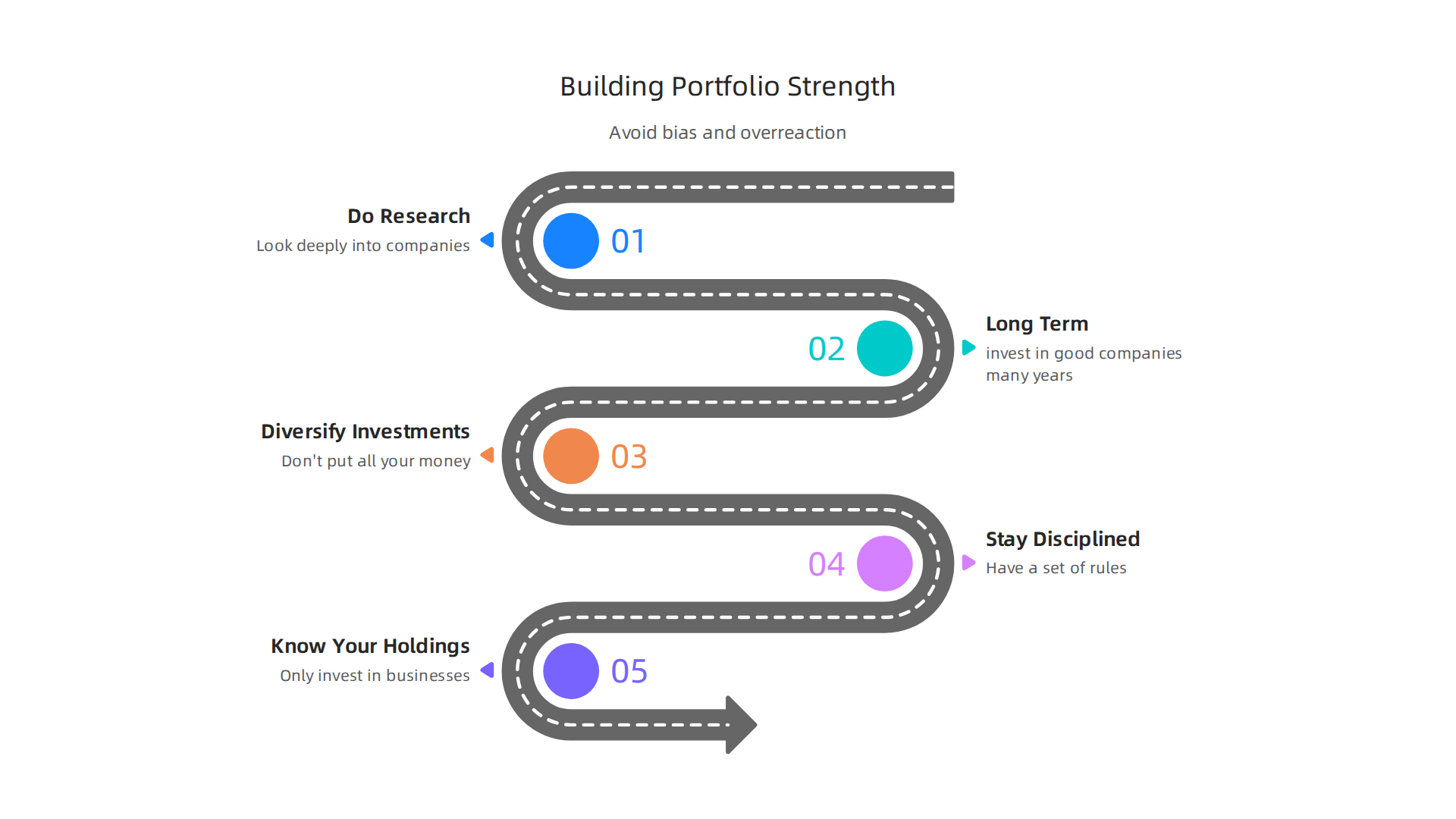
- Do Your Own Research: Don’t just follow the crowd. Look deeply into companies and understand their business before investing. This includes understanding their core business and how they make money.
- Focus on the Long Term: Try to invest in good companies you believe will do well over many years, not just weeks or months. Warren Buffett often holds investments "forever" for truly great businesses Buffett’s Valuation Logic — Complete Implementation Specification.
- Diversify Your Investments: Don’t put all your money into one stock or one type of business. Spreading your investments around helps protect you if one area doesn’t perform well.
- Stick to Your Plan: Have a set of rules for how you invest and try not to change them every time there’s big news. This helps you stay steady even when markets are jumpy.
- Understand What You Own: Only invest in businesses you truly understand. This is a key piece of advice from Buffett Case Study: Warren Buffett’s Investment Strategy and How He ….
By keeping a cool head and focusing on solid investment principles, you can use signals from important meetings as just one piece of your bigger strategy, rather than letting them lead you astray. If you want to dive deeper into how major tech movements and AI developments shape the market, a reliable source of information can be very valuable.
Get clear daily AI updates from The AI Newsletter Worth Reading.
Sector-specific read-throughs: AI, platforms, and hardware
Moving past general investment rules, let’s talk about how big meetings and important talks can mean different things for different parts of the tech world. A signal that sounds good for one area might not be for another. For example, a big warren buffett meeting or a major financial event like Abu Dhabi Finance Week might create a buzz. But how that buzz translates into real moves depends on whether you’re looking at AI, consumer platforms, or hardware companies.
AI and the Future
When leaders talk about new growth or big changes, AI is often at the center. In 2026, we’re seeing huge interest in AI. A positive signal from a high-level meeting could mean a lot for AI companies. It might suggest more money flowing into AI startups, new rules that help AI grow, or bigger partnerships between companies. News about "Software’s DeepSeek AI moment" from investor conferences, for instance, hints at exciting times for AI software 2026 Themes Emerge Leading Into a Busy Q1 Second Half Investor …. For you, this could mean looking into stocks of companies making AI software, data centers that support AI, or those developing advanced AI models. It could point to future top gainers stock in this fast-moving space. To learn more about this exciting area, you might want to read about Anthropic AI what leaders and investors need to know.
Consumer Platforms and User Engagement
For companies running big consumer platforms like social media sites or online marketplaces, signals from important meetings can hit differently. A meeting might highlight changes in how people use technology, new types of online ads, or upcoming trends in digital content. If a warren buffett meeting suggests stronger consumer spending, it could mean more users, more ad revenue, or greater sales for platform companies. Private meetings between asset managers and companies can help investors learn more about these specific firm-level details What Do Investors Learn in Private Meetings? Evidence …. You’d want to think about how these trends affect companies like Alphabet, which has seen its cloud revenue surge due to AI driving big tech performance, as you can read in Alphabet stock 2026 cloud revenue surges 63 percent as AI drives big tech performance.
Hardware, Semiconductors, and Infrastructure
Then there’s the hardware side, which includes companies that make computer chips, networking gear, and other key components. Signals from meetings for these companies often relate to demand, production, and new technologies. For example, if there’s a big push for new AI tools, it means more demand for powerful computer chips. Technology has remained the largest sector for dealmaking globally in 2026, showing strong activity in this space Mega-deals fuel record M&A as boards dream big on takeovers. A positive outlook on global trade or manufacturing could be very good for these companies. If you’re following jp morgan stock or blackstone stock, consider how their investments in tech infrastructure might play out. For a deeper look into the semiconductor world, check out Infineon Technologies market position 2026 automotive and AI semiconductor leadership.
How to Understand Meeting Signals for Each Sector:
To figure out what a meeting’s news means for specific sectors, use this simple checklist:
- What was the main topic? Was it about new technology, user behavior, government rules, or something else?
- Who was speaking? Leaders from AI companies, platform giants, or hardware makers? Their insights are key.
- What are the direct links? Does the news directly impact how a certain sector makes money or grows?
- Are there hidden impacts? Sometimes, news about one sector can affect another. For example, more AI means more demand for chips.
- Check the timeline. Is this a change happening now, or something for the future?
By thinking about these points, you can better use information from important meetings to guide your investments in the fast-changing world of tech.
A practical playbook: triage, verification, and action steps for time-pressed professionals
By thinking about how news from important meetings affects different tech sectors, you can better guide your investments in the fast-changing world of tech. Now, for busy people, turning these signals into smart moves needs a clear plan. That’s where our practical playbook comes in. It helps you quickly sort through information, check if it’s true, and decide what to do next.
Your Step-by-Step Triage Process
When you hear news from a big meeting, like a warren buffett meeting or a major event such as Abu Dhabi Finance Week, you need to act fast but also smartly. Here’s a simple way to do it:
1. Immediate Checks: The Quick Scan
First, do a quick check to see if the news matters to you.
- Who was talking? Was it a tech CEO, a government leader, or a big investor like Warren Buffett? Their words carry different weight.
- What was the main message? Is it about new rules, a new product, or how the economy is doing?
- Is it about your interests? Does it affect AI companies, consumer platforms, or hardware makers that you care about?
- How urgent is it? Is this news for today, or does it point to changes happening later in 2026?
2. Verification Steps: Dig Deeper
After your quick scan, take a moment to confirm the news. Don’t just trust the first thing you hear.
- Check other sources. Do two or three reliable news sites report the same thing?
- Look for official statements. Did the company or person involved release their own message?
- See what experts say. What are trusted analysts saying about this news? Are they changing their views on companies like those held by
jp morgan stockorblackstone stock? Getting insights from various viewpoints helps you get the full picture.
3. Decision Gates: What’s Your Next Move?
Once you have a clearer idea of the news, it’s time to decide what to do.
- Does this fit your plan? Does the news help you reach your investment goals? For example, if you’re looking for long-term growth, a quick market buzz might not be as important as a big policy change.
- How sure are you? On a scale of 1 to 10, how confident are you about this information? Warren Buffett himself often avoids trying to predict unknown future events, focusing instead on what he understands well Case Study on Investment Filters (Warren Buffett ). This helps him avoid getting overwhelmed by too much information.
- What’s the best action? Maybe it’s to watch a stock more closely, maybe it’s to buy, or maybe it’s to do nothing at all. Not every signal needs a full action.
Sample Watchlist and Tactical Moves
Let’s put this into action with some examples for your watchlist:
- Short-Term Focus (Days to Weeks): If a meeting sparks sudden interest in a new tech area, you might look for
top gainers stockin that niche. These moves are often fast and carry higher risk. For instance, news about quick advancements in AI might lead to short-term spikes. - Medium-Term Focus (Months): Consider companies benefiting from broader trends, like increased mergers and acquisitions (M&A) in 2026. The global M&A market is expected to grow significantly, possibly reaching around $4 trillion this year Global M&A industry trends: 2026 mid-year outlook – Deals. This could point to steady growth for certain companies.
- Long-Term Focus (Years): For long-term goals, think about companies with strong core businesses and a clear vision. This is like Warren Buffett’s strategy of investing in businesses you fully understand, which often means holding them for many years Case Study: Warren Buffett’s Investment Strategy and How He ….
No matter your strategy, keeping track of how different signals affect companies helps you make better choices. To get even more insights on how to stay on top of market changes and refine your strategy, consider reading about Top Gainer Stocks in 2026 and How to Profit From Market Momentum.
For those who need to keep up with the latest in AI without getting lost in the daily noise, getting clear updates is key.
Get clear daily AI updates from The AI Newsletter Worth Reading.## A practical playbook: triage, verification, and action steps for time-pressed professionals
By thinking about how news from important meetings affects different tech sectors, you can better guide your investments in the fast-changing world of tech. Now, for busy people, turning these signals into smart moves needs a clear plan. That’s where our practical playbook comes in. It helps you quickly sort through information, check if it’s true, and decide what to do next.
Your Step-by-Step Triage Process
When you hear news from a big meeting, like a warren buffett meeting or a major event such as Abu Dhabi Finance Week, you need to act fast but also smartly. Here’s a simple way to do it:
1. Immediate Checks: The Quick Scan
First, do a quick check to see if the news matters to you.
- Who was talking? Was it a tech CEO, a government leader, or a big investor like Warren Buffett? Their words carry different weight.
- What was the main message? Is it about new rules, a new product, or how the economy is doing?
- Is it about your interests? Does it affect AI companies, consumer platforms, or hardware makers that you care about?
- How urgent is it? Is this news for today, or does it point to changes happening later in 2026?
2. Verification Steps: Dig Deeper
After your quick scan, take a moment to confirm the news. Don’t just trust the first thing you hear.
- Check other sources. Do two or three reliable news sites report the same thing?
- Look for official statements. Did the company or person involved release their own message?
- See what experts say. What are trusted analysts saying about this news? Are they changing their views on companies like those held by
jp morgan stockorblackstone stock? Getting insights from various viewpoints helps you get the full picture.
3. Decision Gates: What’s Your Next Move?
Once you have a clearer idea of the news, it’s time to decide what to do.
- Does this fit your plan? Does the news help you reach your investment goals? For example, if you’re looking for long-term growth, a quick market buzz might not be as important as a big policy change.
- How sure are you? On a scale of 1 to 10, how confident are you about this information? Warren Buffett himself often avoids trying to predict unknown future events, focusing instead on what he understands well Case Study on Investment Filters (Warren Buffett ). This helps him avoid getting overwhelmed by too much information.
- What’s the best action? Maybe it’s to watch a stock more closely, maybe it’s to buy, or maybe it’s to do nothing at all. Not every signal needs a full action.
Sample Watchlist and Tactical Moves
Let’s put this into action with some examples for your watchlist:
- Short-Term Focus (Days to Weeks): If a meeting sparks sudden interest in a new tech area, you might look for
top gainers stockin that niche. These moves are often fast and carry higher risk. For instance, news about quick advancements in AI might lead to short-term spikes. - Medium-Term Focus (Months): Consider companies benefiting from broader trends, like increased mergers and acquisitions (M&A) in 2026. The global M&A market is expected to grow significantly, possibly reaching around $4 trillion this year Global M&A industry trends: 2026 mid-year outlook – Deals. This could point to steady growth for certain companies.
- Long-Term Focus (Years): For long-term goals, think about companies with strong core businesses and a clear vision. This is like Warren Buffett’s strategy of investing in businesses you fully understand, which often means holding them for many years Case Study: Warren Buffett’s Investment Strategy and How He ….
No matter your strategy, keeping track of how different signals affect companies helps you make better choices. To get even more insights on how to stay on top of market changes and refine your strategy, consider reading about Top Gainer Stocks in 2026 and How to Profit From Market Momentum.
For those who need to keep up with the latest in AI without getting lost in the daily noise, getting clear updates is key.
Get clear daily AI updates from The AI Newsletter Worth Reading.
Summary
High-profile investor gatherings — the so-called