

Introduction: Navigating the 2026 Big Tech Landscape
If you have been watching the stock market in 2026, you have probably noticed something strange. Some big tech stocks are flying high, while others are stuck or falling behind. Companies like NVIDIA and Microsoft have surged thanks to AI. Meanwhile, others have struggled to keep up. As of May 2026, technology firms now dominate global market capitalization, driven entirely by AI advancements (source: TradingKey).
This extreme split can make your head spin. There is just too much news to sift through. You see headlines about asts stock, bbai stock, berkshire hathaway stock class a, and titan capital markets all at once. Finding the biggest movers today feels like a guessing game. But it does not have to be that way.
The problem is information overload. You need a simple, grounded way to separate real signals from noise. That is exactly what this article will give you. We will look at the data, earnings, and the latest regulatory shifts. Then we will build a clear, actionable strategy for your tech portfolio. For example, seeing how sustainable movers like IBM stock in 2026 shows steady growth through AI and cloud transformation can help you spot patterns.
You do not have to chase every hot stock. In fact, the best approach is to stay informed with a clear lens. The best performing tech stocks for May 2026 are a good starting point, but context matters more than a list.
Want to stay ahead of the biggest moves without wasting time on hype? Subscribe Free to The Deep View Newsletter for clear daily AI updates straight to your inbox.
The 2026 Big Tech Landscape: Market Cap Movers and Shakers
Here is the reality in 2026. The top five U.S. tech companies now hold a combined market cap that has climbed dramatically from 2025. As of May 2026, NVIDIA alone sits at $5.2 trillion, and technology firms now dominate global market capitalization entirely thanks to AI advancements,

according to TradingKey. That is a staggering concentration of wealth in just a handful of names.
So what separates the winners from the rest? It comes down to one thing: AI monetization.
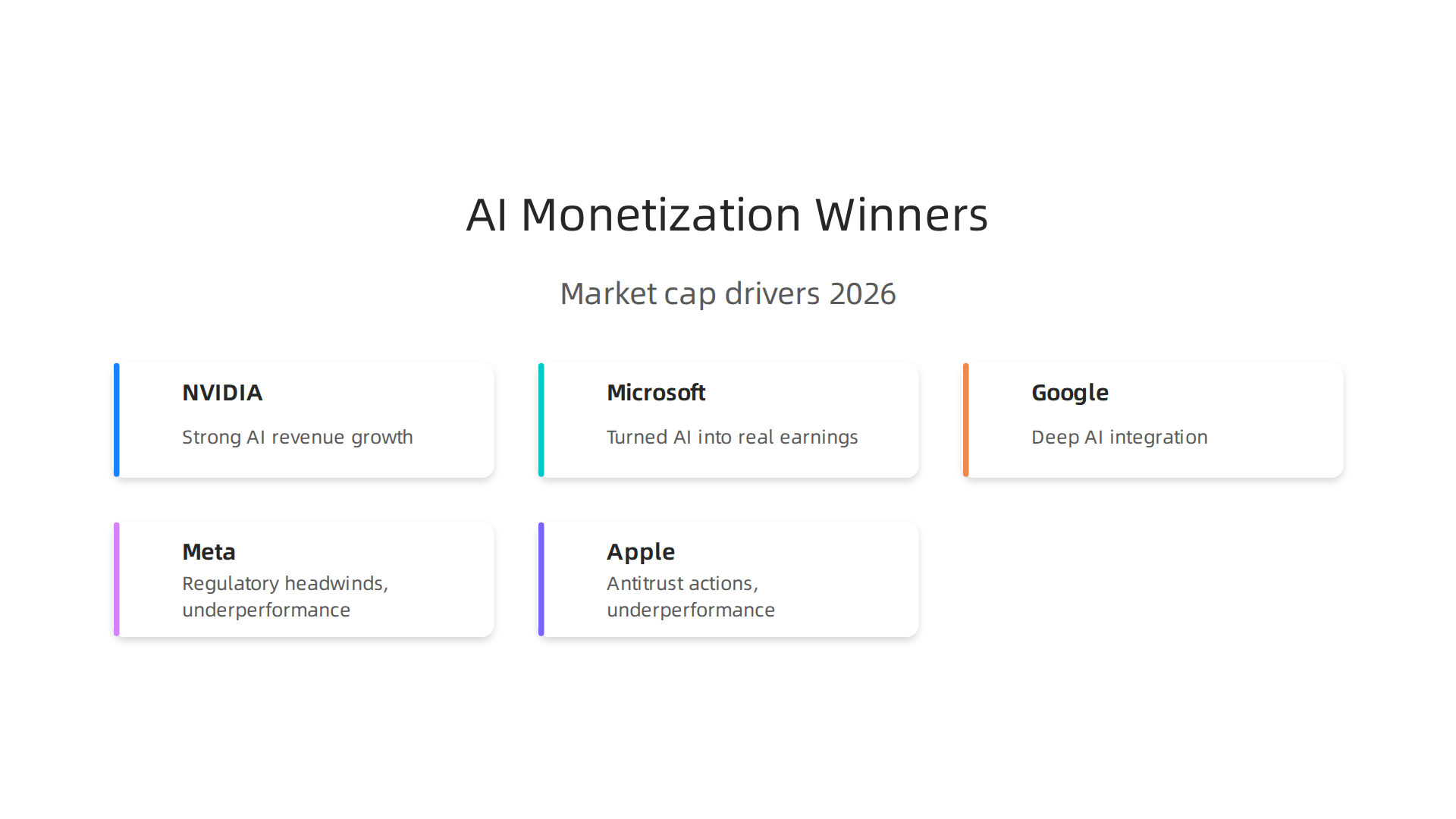
Companies with strong AI revenue growth are pulling way ahead. NVIDIA and Microsoft have turned AI into real earnings, and their stock prices reflect that. Google is also holding its ground thanks to deep AI integration across search and cloud. On the other hand, regulatory headwinds and antitrust actions have weighed heavily on Meta and Apple. These two companies have faced relative underperformance as governments around the world tighten the screws.
If you are tracking the biggest movers today, you need to watch which companies are actually making money from AI versus which ones are still trying to figure it out. That divide is the single most important signal in this market.
Of course, it is easy to get distracted by names like asts stock, bbai stock, berkshire hathaway stock class a, or titan capital markets. But remember, these are smaller pieces of a much bigger puzzle. The real action is in how the giants shift.
To stay grounded, it helps to see how steady players like IBM is showing steady growth through AI and cloud transformation are finding their own lane. And if you want to cut through the noise with futures news for big tech, that can help you spot trends before they hit the mainstream.
Want to track the biggest market moves without drowning in headlines? Get Free Updates from The Deep View Newsletter for simple daily AI insights that actually matter.
Cloud Wars: Infrastructure as a Market Mover
So if AI monetization is the engine, think of cloud infrastructure as the fuel that keeps it running. In 2026, the cloud market is still growing fast. Global spending hit $129 billion in Q1 alone, up 35% from last year according to Statista. But here is the twist: revenue growth for AWS, Azure, and GCP is actually slowing down a bit. What matters more now is how profitable each cloud business is becoming.
The reason? AI inference workloads are changing the game. Instead of just storing data, companies now need massive GPU power to run AI models in real time. Hyperscalers with strong GPU access like Microsoft and Amazon are pulling ahead. As the HeygoTrade playbook explains, analysts now watch cloud profit margins closely because they signal which company can turn AI demand into real earnings.
AWS still leads the market, but Azure and GCP are growing faster, driven by enterprise AI and hybrid cloud adoption,
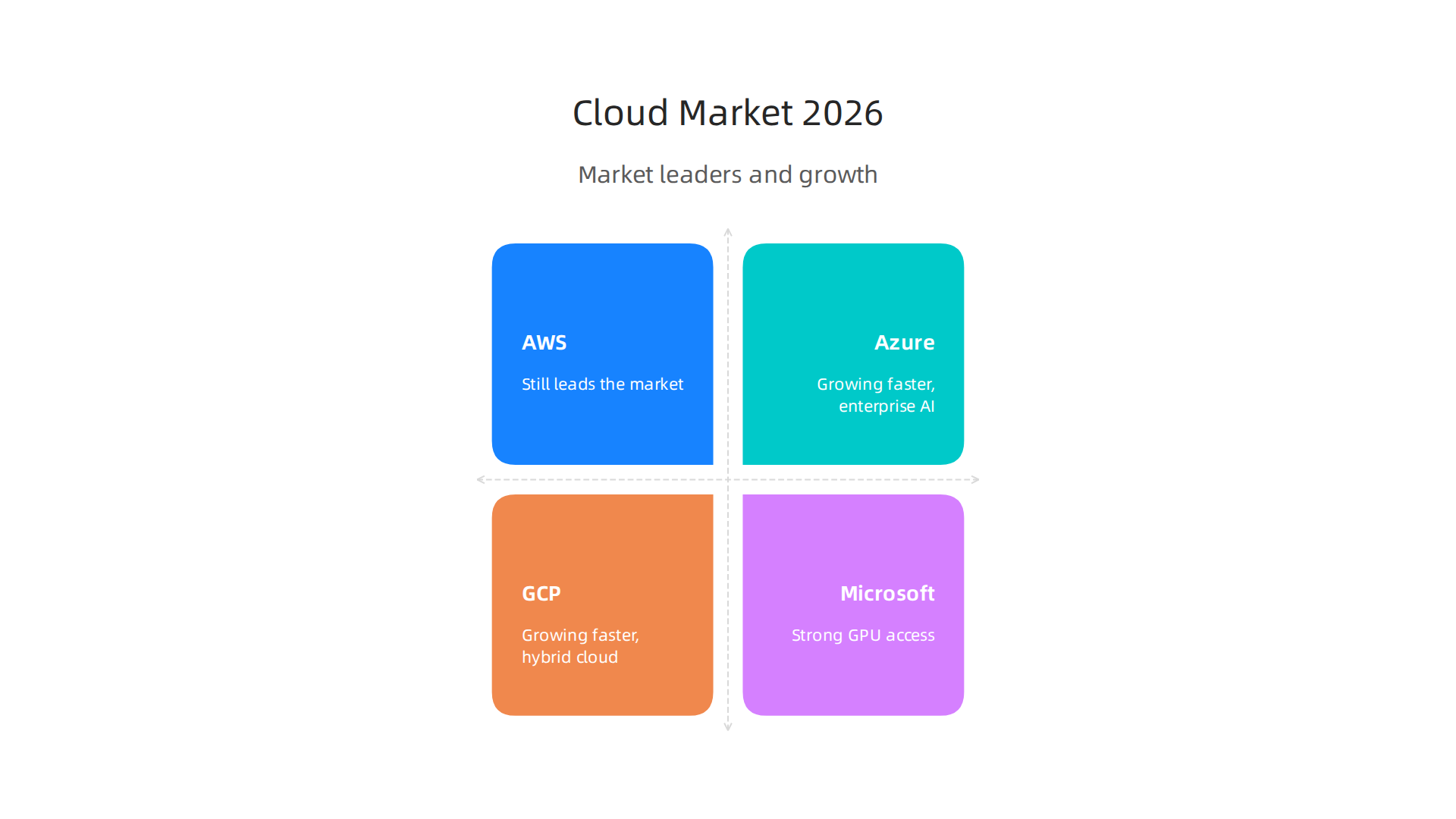
according to Holori. For investors tracking the biggest movers today, the cloud margin story is a clearer signal than raw revenue. If Microsoft or Amazon report rising cloud profits, that often pushes their stocks higher. Meanwhile, smaller plays like asts stock or bbai stock might grab headlines, but the real leverage sits with the hyperscalers.
If you want to see how steady players like IBM are quietly growing through their own cloud and AI push, check out how IBM stock in 2026 shows steady growth through AI and cloud transformation. It is a different path but worth watching.
Ready to stay ahead of the cloud earnings cycle without the noise? Subscribe Free to The Deep View Newsletter for clear daily AI and big tech insights that cut straight to what matters.
Cloud margins tell one story. But the companies building the actual AI models tell another. In 2026, the AI titans are separating themselves through clear revenue, massive investment, and a battle over who controls the technology stack.
AI revenue is no longer just talk. It shows up in earnings reports now. Microsoft, Google, and NVIDIA are the clear leaders here. Meta and Apple are investing heavily to protect their futures. The latest Q1 earnings face-off between AWS, Azure, and GCP confirms that AI services are a core part of cloud growth. If you follow the biggest movers today, these giants are setting the pace.
But here is the thing. The cost to run this race is huge. Capital expenditures for AI infrastructure have surged. This naturally raises hard questions about ROI and future profit margins. Can the revenue from AI cover the billions spent on GPUs and data centers? Analysts at titan capital markets see this as the key question for big tech investors in 2026.
Then there is the model war. Open-source AI models like Meta’s Llama let anyone build powerful tools for cheap. This puts pressure on companies selling closed, high-cost proprietary models. Which side builds a stronger long-term moat? The answer will reshape competition.
This complexity creates noise. It also creates opportunity. While speculative names like asts stock or bbai stock grab headlines, and value anchors like berkshire hathaway stock class a watch from the sidelines, the real shift is happening in the infrastructure of these titans.
If you want to cut through the noise with clear futures news for big tech, we help you do exactly that.
Stay informed on how the AI titans truly compete. Subscribe Free to The Deep View Newsletter for daily insights that cut straight to the signal.
Regulatory Crosswinds: Impact on Valuations and Strategy
The AI titans are not just fighting each other. They are also fighting governments. In 2026, new antitrust rulings in the European Union and the United States are creating real risk for Apple and Google. Both companies face potential forced divestitures that could reshape their businesses.
According to the 2026 Antitrust Year in Preview from Wilson Sonsini, digital technology firms remain the primary focus of regulators worldwide. The EU is reviewing which services should fall under strict gatekeeper rules. Over in the US, pending cases challenging big tech’s monopolies could result in major market restructuring. These are not small fines. We are talking about structural changes to how these companies operate.
Here is the thing. Data privacy regulations are also squeezing ad revenue for Meta and Google. Stricter rules mean less data for targeting ads. That directly hits their bottom lines. Analysts at titan capital markets now track a "regulatory risk premium" being priced into tech stocks. This is a fancy way of saying investors are discounting future earnings because of legal threats.
This creates a strange situation. The biggest movers today in AI infrastructure are the same companies facing the most regulatory heat. Their stock prices reflect this tension. Speculative plays like asts stock or bbai stock might seem less affected by regulation right now. But they operate in the same ecosystem. Even a stable value anchor like berkshire hathaway stock class a watches these legal battles carefully, because tech makes up a growing part of the total market.
The Global Antitrust Enforcement Outlook for 2026 highlights that regulators are now using data analytics and AI tools to enforce antitrust laws themselves. The hunters are using the same weapons as the hunted.
How does this affect your strategy? If you invest in or work with big tech, regulatory risk is no longer a side note. It is a core factor.

To stay ahead of these shifts and understand how regulation changes valuations every week, check out our coverage of how different tech giants are navigating this landscape.
Want clearer daily insight into how these regulatory winds will impact your decisions? Subscribe Free to The Deep View Newsletter for analysis that cuts through the legal jargon.
Earnings Season Deep Dive: What the Numbers Reveal About the Biggest Movers
Earnings season in 2026 is a high stakes game for the biggest movers today in AI infrastructure. The numbers coming out show a clear pattern. If an AI heavy company beats expectations, its stock rockets up. If it misses, the stock gets crushed. There is very little middle ground.
Take a look at what titan capital markets analysts are saying. They point out that the market now treats earnings reports from these giants as binary events. A beat of even a few cents per share can trigger a 5% to 10% jump. But a miss of the same size can wipe out 15% or more. This volatility is not random. It reflects how much investors have bet on AI growth.
The reason is simple. After the regulatory uncertainty we talked about earlier, earnings are the clearest proof of whether AI spending is paying off. Companies like asts stock or bbai stock may not report earnings the same way, but the entire ecosystem feels the same pressure. Even a stable value anchor like berkshire hathaway stock class a watches these reports closely because tech now drives so much of the market.
Here is what matters most now. It is not the past quarter’s earnings that move stocks. It is what companies say about the future. Forward guidance and capital expenditure plans now have more weight than the actual numbers just reported. A company that beats earnings but lowers its capex forecast often sees its stock drop. The market wants to know: how much are you spending on AI infrastructure next quarter?
Insider trading patterns around earnings also give extra clues. When insiders buy after a dip, it is often a positive signal. When they sell after a beat, caution is wise.
To see an example of steady growth through earnings cycles, check out our analysis of how IBM stock in 2026 shows steady growth through AI and cloud transformation.
Want to catch these earnings signals before they move markets? Subscribe Free to The Deep View Newsletter for daily breakdowns of what the numbers really mean.
Quantitative Signals: Identifying the Next Major Movers
So how do you spot the biggest movers today before they make their big jump? You need to look past the headlines and into the numbers that predict future price action.
is essential for identifying hidden signals in financial markets.](https://bigtechnewstoday.com/wp-content/uploads/2026/05/weblish-inline-23137.jpg)

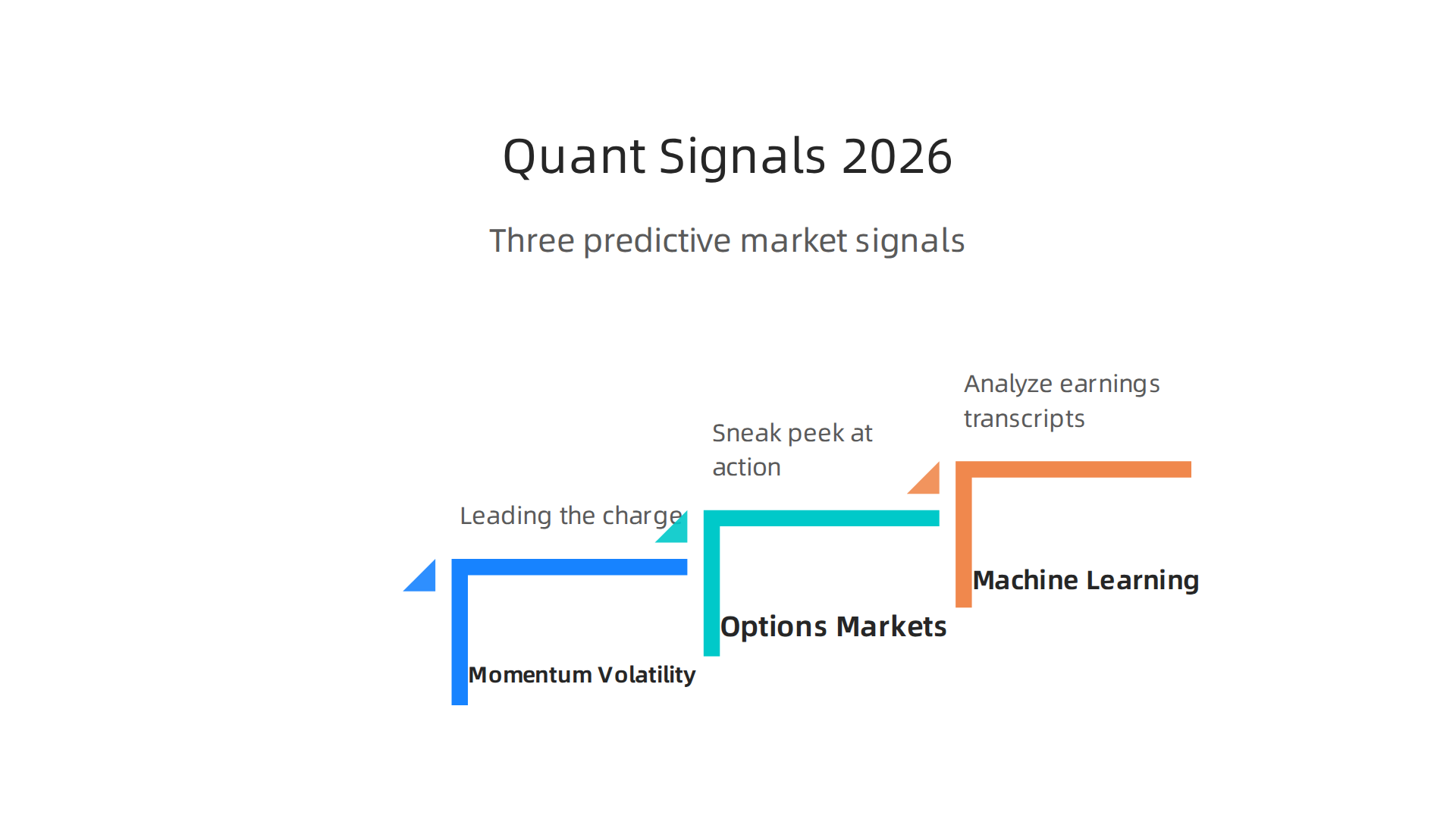
Three signals stand out in 2026.
First, momentum and volatility factors are leading the charge. A report from Confluence Technologies shows that January 2026 strength came mostly from Momentum and Volatility stocks. Investors are chasing trends and taking on more risk. The momentum factor effect goes long stocks with high past returns. In 2026, that strategy is working. The iShares MSCI USA Momentum Factor ETF has gained over 20% year to date, beating the S&P 500’s 8% gain. Stocks like asts stock and bbai stock often show strong momentum before a big move.
Second, options markets give you a sneak peek at upcoming action. Watch implied volatility and put/call ratios closely. When volatility rises before earnings, it signals traders are betting on a big swing. A low put/call ratio means more calls than puts, suggesting bullish sentiment. These signals can flag the next mover before the stock actually moves.
Third, advanced traders now use machine learning models trained on earnings call transcripts. These models analyze tone, word choice, and CEO confidence to predict future stock direction. It is like sentiment analysis on steroids. This is where titan capital markets and other quantitative shops gain an edge.
To cut through the noise and see these signals in real time, check out our guide on cutting through the noise with futures news for big tech.
Want daily signals delivered to your inbox? Subscribe Free to The Deep View Newsletter and get the quantitative data that matters most.
Portfolio Construction: Managing Concentration Risk in Tech
You now know how to spot the biggest movers today before they pop. But here is what most people get wrong. They put all their money into a few names like asts stock or bbai stock and cross their fingers. That is a dangerous game.
When you pile into just a handful of mega-cap tech stocks, you take on what pros call idiosyncratic risk. One bad earnings report or a surprise regulation can wipe out months of gains. Think about it. If you own nothing but a few high flyers and one of them stumbles, your whole portfolio suffers. The growing dominance of tech and AI on equity markets creates this trap for many investors according to PineBridge Investments.
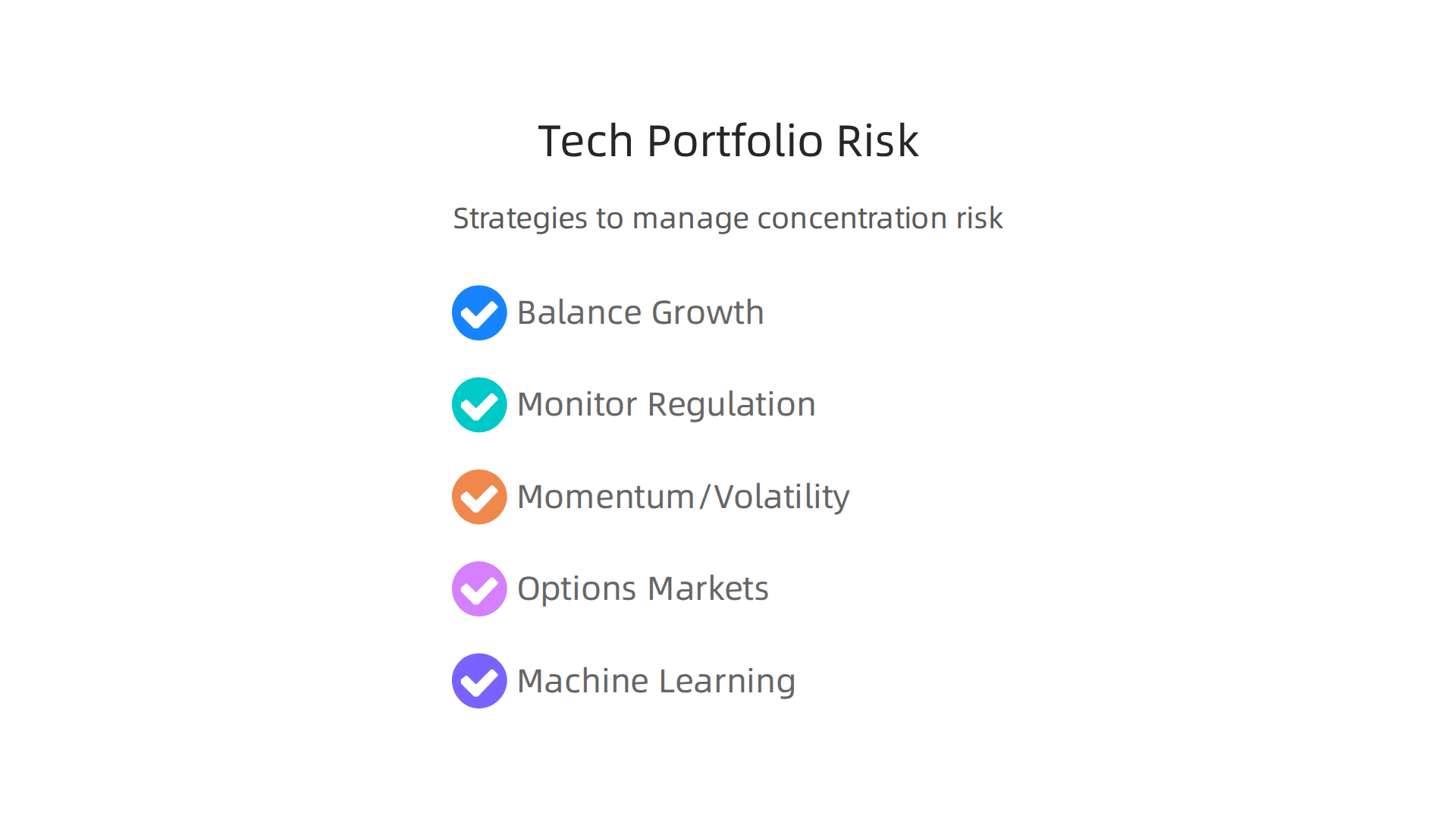
**How do you fix it?
**
First, spread your bets across different tech sub-sectors. Do not just buy AI plays. Add cloud infrastructure, consumer tech, and enterprise software. When one area cools off, another might heat up.
Second, use factor-based approaches. Instead of owning the top ten stocks by market cap, try equal-weight funds. Or look at momentum factor strategies. The iShares MSCI USA Momentum Factor ETF has gained over 20% year to date, beating the S&P 500’s 8% gain by a wide margin. Momentum and Volatility stocks led the pack in January 2026 according to a Confluence Technologies report. These factor strategies let you capture upside while reducing the risk of holding any single stock.
Third, consider hedging. Sophisticated investors use options and inverse ETFs to protect against sudden reversals. Even a small hedge can soften the blow when the market turns. For more on managing risk while staying in tech, check out our guide on cutting through the noise with futures news for big tech.
You do not have to choose between growth and safety. A smart portfolio does both.

Want to stay ahead of market shifts without the noise? Subscribe Free to The Deep View Newsletter and get daily analysis delivered to your inbox.
Competitive Dynamics: Who Is Disrupting Whom?
The tech world in 2026 looks nothing like it did five years ago. Small AI startups and cloud-native players are going after big companies in focused areas. A new Brookings report shows that large AI firms are increasingly competing with their own customers by moving into the application space. That creates a strange dynamic where the platform you rely on today could be your direct competitor tomorrow.
At the same time, the race for AI talent is reshaping the whole industry. Companies are paying top dollar for engineers and data scientists. This drives up hiring costs and pushes many firms into expensive acquisitions just to get the right people. The global AI market is now worth over $375 billion according to Fortune Business Insights, and that kind of money means fierce competition for skilled workers. Margins get squeezed when you have to offer huge salaries and stock packages.
Big Tech’s old platform power is also being tested. Customers want to use multiple clouds and multiple AI models. They do not want to be locked into one ecosystem. Regulators are watching closely too. This pressure forces giants to change how they operate. The landscape is shifting fast.
To spot the biggest movers today, you need to understand who is winning these fights. That means watching both the disruptors and the incumbents adapt. For daily insights on these shifts, check out how we help cut through the noise with futures news for big tech.
Stay informed on the companies that matter most. Subscribe Free to The Deep View Newsletter for clear daily AI updates straight to your inbox.
Summary
This article explains how AI has reshaped the 2026 big tech landscape and why a handful of companies now dominate market capitalization. It reviews the core drivers—AI monetization, cloud infrastructure and margins, rising capex for GPUs, and the model/open-source wars—that separate the winners from the rest. The piece also covers regulatory risks and antitrust actions that are affecting valuations, and shows how earnings reports and forward guidance now move stocks more than historical results. You will learn which quantitative signals (momentum, options activity, transcript sentiment) help flag the next big movers, and why cloud profit margins matter more than raw revenue growth. The article offers practical portfolio rules—diversify across tech sub-sectors, consider factor-based approaches, and use hedges—to manage concentration risk. Overall, readers will come away able to spot higher-quality signals behind headlines and build a clearer, action-oriented strategy for investing in big tech today.