

The world of technology is always moving fast, and in 2026, one of the most exciting areas is how computers can create things. We’re talking about smart computers, known as artificial intelligence, that can make new things happen.

A big step forward is "text to video artificial intelligence." This new type of AI lets you type out what you want to see, and the computer then makes a video from your words. It’s like magic, but it’s really advanced computer science.
These amazing new ways of making things are called multimodal generative models. They are changing how many businesses work, especially those in media, marketing, and big online platforms. Think about it: creating videos used to take a lot of time and money. Now, with text to video artificial intelligence, it can be much faster and easier. This means companies can create more content, faster ads, and new ways for people to interact online.
Because these tools are growing so quickly, it’s important for people who make big decisions in companies to understand them. They need to know how these systems work and what they mean for business. This includes looking at new chances, possible dangers, and where to put money for the future. For instance, experts have been tracking how good these video-making models are getting, noting big changes from 2020 to 2026 as these systems improve fast The Evaluation Imperative for Video Generative Models.
This article will help you understand text to video artificial intelligence better. We’ll look at the technical details in a simple way and talk about how it affects different businesses. You’ll see how artificial intelligence with images and other kinds of artificial intelligence imaging are changing what’s possible. Soon, the pictures of artificial intelligence you imagine will be ready-to-watch videos. To keep up with all these exciting changes in AI, many smart people rely on good information. You can get clear daily AI updates from The AI Newsletter Worth Reading.
Now, let’s look closer at how this amazing technology works. Text to video artificial intelligence isn’t magic, but it uses very smart computer programs to turn your words into moving pictures. It relies on special computer models, lots of information, and powerful computers.
How text-to-video AI works: models, data, and compute
At its heart, text to video artificial intelligence uses different kinds of computer brains, called models.
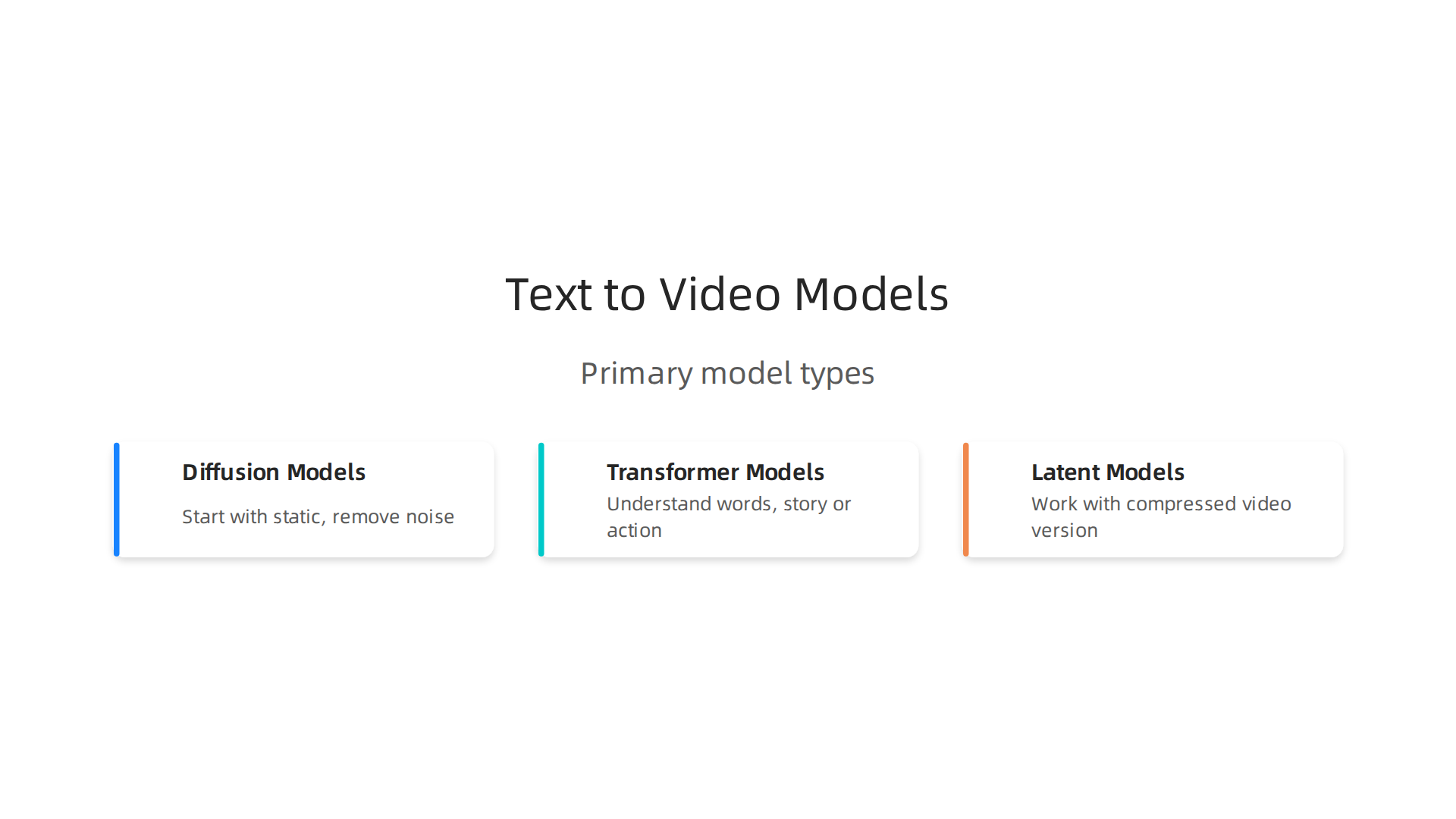
Think of these models as recipes that tell the computer how to make a video. Some popular types of these "recipes" include:
- Diffusion Models: These models start with a lot of static, like TV snow, and slowly take away the noise to create a clear image or video. They learn by seeing many real videos and then learn how to "undo" the noise to create new ones. They’re especially good at making very real-looking pictures of artificial intelligence.
- Transformer Models: These are great at understanding the meaning of your words and how they relate to what you want to see. When used for video, they help the AI understand the story or action you’re asking for.
- Latent Models: These work by finding a simpler way to think about videos. Instead of dealing with every single pixel, they work with a "compressed" version of the video. Then, they "uncompress" it to create the final, detailed video. This makes the job easier for the computer.
Many modern text to video artificial intelligence systems use a mix of these models, like the Multimodal Diffusion Transformer, which can handle text, images, and videos all at once to make what you describe come to life From Prompts to Motion: Diffusion Transformers, Synthetic Media. These models are getting smarter all the time, helping with tasks like making videos from text. A big study in 2026 looked at how a model like Sora might even create its own understanding of the world to make videos more real Sora as a World Model? A Complete Survey on Text-to-Video.
For these models to work well, they need tons of information, which we call data. Imagine teaching a child what a cat looks like by showing them one picture. It’s hard. But if you show them thousands of pictures and videos of cats in different settings, they’ll learn much better. Artificial intelligence with images works the same way. These AIs learn from huge collections of videos, pictures, and text. This data teaches the AI how words connect to what we see, how things move, and even how light and shadows work. Sometimes, they even use "fake" data, made by other computers, to help them learn even more.
Making and using these advanced models takes a lot of computer power. Training these AI brains to understand and create videos from scratch can take many days or weeks on super powerful computers.

When you type in your words, the computer then uses what it learned to quickly make a new video. This is called "inference." The computer stitches together everything: your words, the movements you want, and the look of each frame, to give you a complete video clip.
Staying on top of these fast changes in AI, especially how it affects businesses, is a big task. Keeping up with company news, like IBM Stock AI and Cloud Transformation, can show you how big companies are investing in artificial intelligence imaging and other cutting-edge tech.
After understanding how text to video artificial intelligence works, the next big question is: how do we know if it’s any good? Just like any new technology, we need ways to check its quality and make sure it does what it’s supposed to do. This is where benchmarks and evaluation come in.
Quality, benchmarks, and evaluating outputs
When we talk about measuring the success of text to video artificial intelligence, we look at a few key things. There are standard ways, called benchmarks, that help us compare different AI systems. These benchmarks test how clear and real the video looks, if the movements are smooth (this is called temporal coherence), and if the video truly matches the words you typed in (factual alignment). For example, a 2026 study showed how important it is to compare different text-to-video models using these metrics Comparative Performance Analysis of Text-to-Video Models Across …. Researchers are always creating new ways to test these systems, especially for complex tasks like making objects change state in a video OSCBench: Benchmarking Object State Change in Text-to-Video ….
One big challenge is that computers and people often see quality differently. We use both human evaluation and automated metrics.
- Human evaluation: This means people watch the videos and give their opinions. They can tell if a video looks natural, if the story makes sense, or if something just feels "off." This is very important for judging things like creativity, which is hard for a computer program to understand. For instance, a benchmark for video generative models uses a careful human evaluation process Physics-Aware Video Instance Removal Benchmark.
- Automated metrics: These are computer programs that use math to measure things like how sharp the image is or how smooth the motion appears. While fast and objective, they sometimes miss the "artistic" side of video creation. Actually, a recent report from Stanford HAI noted that AI models are getting better so fast that our evaluation methods are struggling to keep up
Technical Performance – Stanford HAI.
Beyond just making good-looking pictures of artificial intelligence, companies using text to video artificial intelligence in real life need to track other numbers. These are called operational metrics.
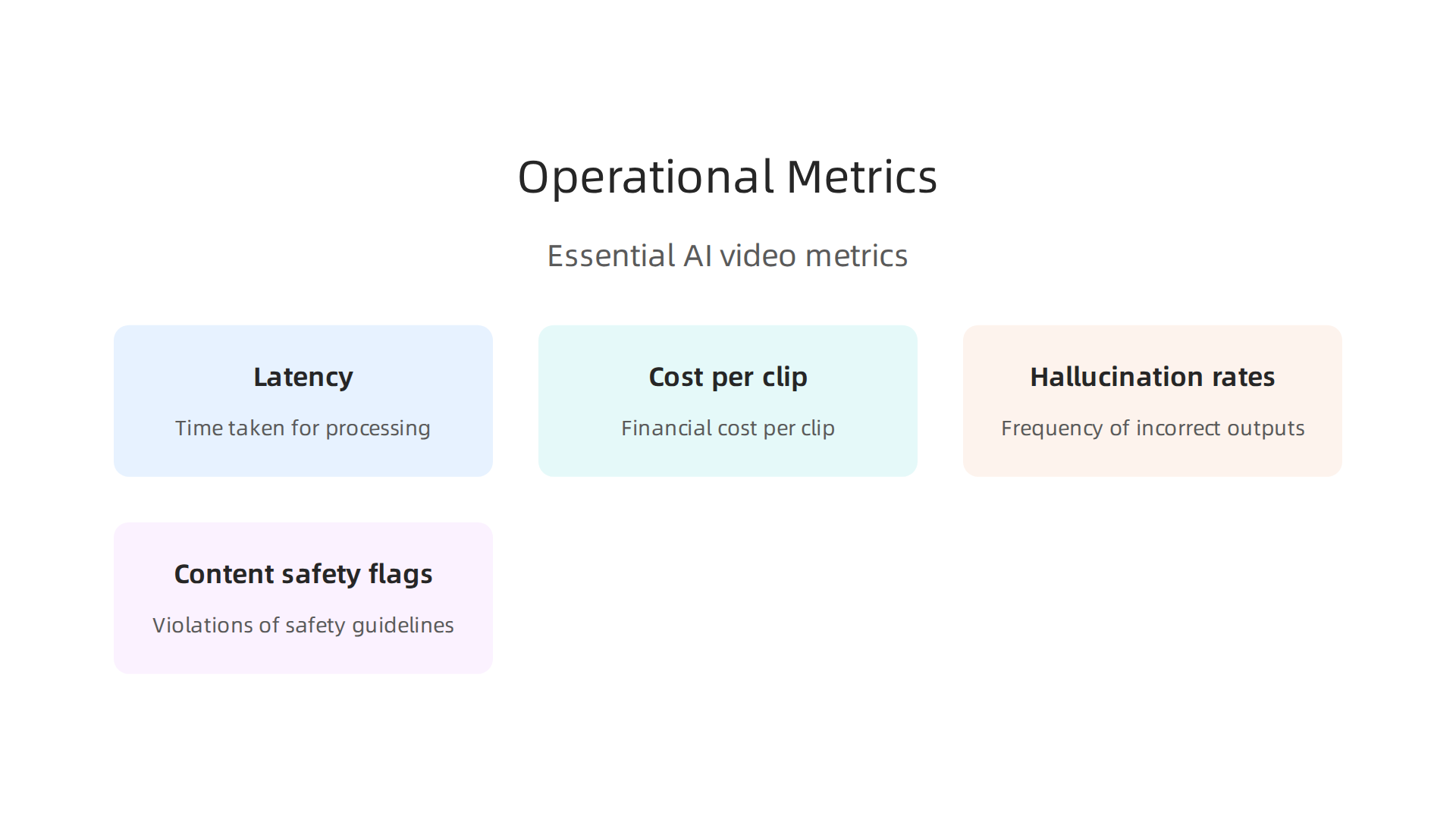
They include:
- Latency: How fast the AI can turn your words into a video.
- Cost per clip: How much it costs each time a video is made.
- Hallucination rates: How often the AI makes up things that weren’t in your text prompt, which can lead to incorrect or strange videos.
- Content safety flags: Systems to check for and prevent the creation of harmful or unsafe content.
Keeping an eye on these things helps make sure the text to video artificial intelligence is not only creative but also works well and safely for everyone. To stay informed about all the latest advancements in AI and how they’re being evaluated, you’ll find The AI Newsletter Worth Reading helpful. Get clear daily AI updates from The Deep View Newsletter. You might also be interested in broader insights into how AI drives growth in the tech world, like understanding how a company like Cisco Stock AI Infrastructure Orders Drive Earnings Growth In 2026.
After we know how well text to video artificial intelligence works, the next step is to see how we actually use it. These smart tools aren’t just for making cool pictures of artificial intelligence in a lab. They’re changing how creative people work every day. In 2026, text to video artificial intelligence is becoming a key part of how videos get made, from the first idea to the final clip.
Creative workflows: from script to finished clip
Text to video artificial intelligence helps creative teams by fitting into their regular steps for making videos.
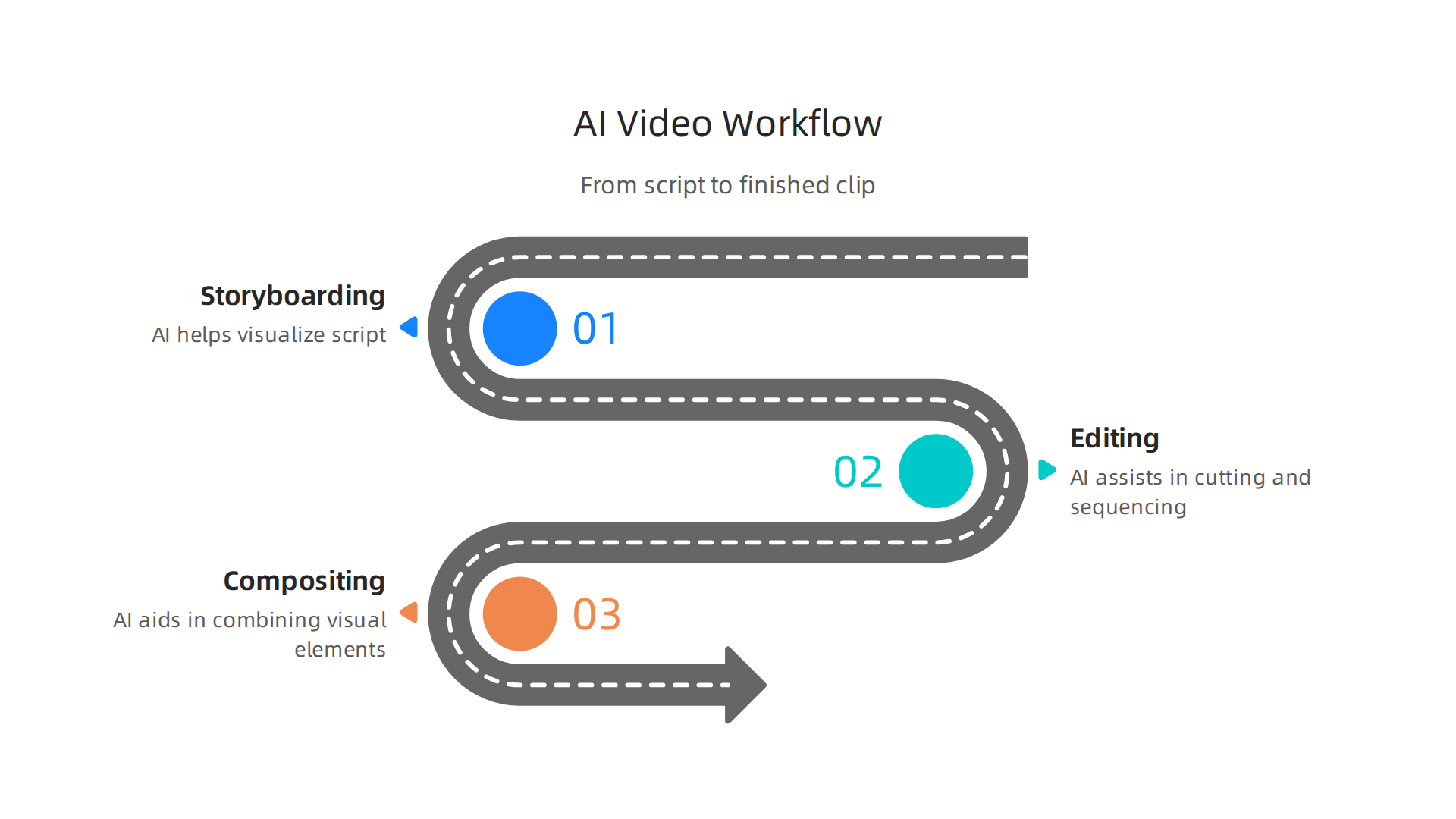
Think about it like this:
- Storyboarding: Before, you’d draw out scenes to plan a video. Now, you can quickly type descriptions into an AI tool. The artificial intelligence with images and short video clips helps you see your ideas much faster. This makes planning quicker and easier. Companies are already using AI video generation to turn articles and scripts into videos with visuals and voiceovers almost automatically, saving a lot of time for marketers and content creators in 2026, as noted by Pictory.ai in a recent article

How Teams Are Using AI Video Generation in 2026.
- Editing: Once you have some video parts, AI can help put them together. It can suggest cuts, add background music, or even make special effects based on your text. This speeds up the editing process a lot. Learning how to redesign your editing workflow using today’s AI tools can help you finish projects faster, according to sessions at InfoComm 2026 Reimagining Video Editing Workflows with AI Tools.
- Compositing: This means putting different visual parts together to make one scene. Imagine creating a fantasy world where a dragon flies over a castle. Text to video artificial intelligence can generate these complex images and blend them together smoothly, making it easier to create stunning visuals without hours of manual work.
Even with powerful artificial intelligence imaging, humans are still very important. This is called a "human-in-the-loop" approach.
People give the AI directions, tell it what needs to change, and make sure the video matches their brand’s style. You decide the overall vision and fine-tune the details, while the AI handles the heavy lifting of creating pictures of artificial intelligence and videos. For a look at how creators are using these tools in real life, check out this video on My 2026 Content Workflow: AI Tools Every Creator Should Use.
There are different types of text to video artificial intelligence tools emerging today:
- Full-production suites: These are like all-in-one programs that handle many steps of video creation, from writing a script to adding music.
- API-first engines: These are core AI tools that other software can connect to. They let developers build their own special video-making apps.
- Editor plugins: These are small tools that add AI power directly into popular video editing software you might already use, making your existing programs even smarter.
These new tools are changing how creative projects happen. They let people focus more on good ideas and less on repetitive tasks. It’s a big shift in how we think about making video content, and understanding how these AI tools fit into the bigger picture of technology trends is important for anyone in the creative industry. To stay on top of broader movements in the tech world that influence these tools, it’s helpful to Filter Yahoo Finance News for Big Tech Market Insights Without the Noise.
Big tech companies are jumping into the world of text to video artificial intelligence in a major way. They see how important these tools are becoming. Think of companies like Google, Meta, and Microsoft. They’re not just making small apps. They’re building these AI powers right into their main systems.
For example, at Google I/O 2026, many new AI tools were announced, showing how much big companies are focusing on this area.
You can find out more about these updates in the 100 things we announced at I/O 2026 – Google Blog. These big players want to make sure their text to video artificial intelligence tools work easily with other products they offer. This creates a kind of "ecosystem" where all their tools play nicely together.
This also means new ways for businesses to make money. Large companies might charge for using their AI tools through special connections called APIs. An API is like a secret doorway that lets different computer programs talk to each other. Many big companies are offering AI video generation through APIs, making it easier for other businesses to build their own tools on top of these powerful AI engines. In fact, relying on an AI video aggregator API platform is expected to become an industry standard in 2026, according to a report on The State of AI Video APIs in 2026: From Text-to-Video to Cinematic ….
This creates what we call "platform lock-in." If you use one company’s AI tools a lot, it becomes harder to switch to another company’s tools later. This is good for the big companies, but it also means there are chances for smaller companies to work together with them. These partnerships can help bring new and exciting uses for text to video artificial intelligence to everyone.
But what about smaller companies and startups? Can they still compete with the big guys making advanced artificial intelligence imaging? Yes, they can! Startups can find special areas to focus on. For example, they might create tools for a very specific type of video, like educational content for kids, or tools that make very unique pictures of artificial intelligence for artists. They can also focus on making their tools super easy to use, or very affordable, or better at specific tasks that the bigger companies might not focus on as much. The overall AI video generation market is growing fast, expected to be valued at USD 1.04 billion in 2026 and reach USD 2.07 billion by 2030, showing plenty of room for innovation, as reported in the AI Video Generator Market Report 2026.
It’s a really exciting time in the world of text to video artificial intelligence. Big companies are setting the stage, but smart startups are also finding their own ways to shine. To keep up with these fast changes and understand how they affect your investments, you might want to consider how the IBM stock in 2026 shows steady growth through AI and cloud transformation.
Get clear daily AI updates from The AI Newsletter Worth Reading.
Business Use Cases and ROI for Enterprises
Now, let’s look at how bigger companies are putting text to video artificial intelligence to good use and how they measure if it’s worth the money. Businesses are finding many smart ways to use these tools in 2026. They’re using them to make videos faster and cheaper than ever before.
Top Ways Businesses Use AI Video Tools
Text to video artificial intelligence can do a lot for big companies. Here are some of the main areas where they’re seeing a big impact:
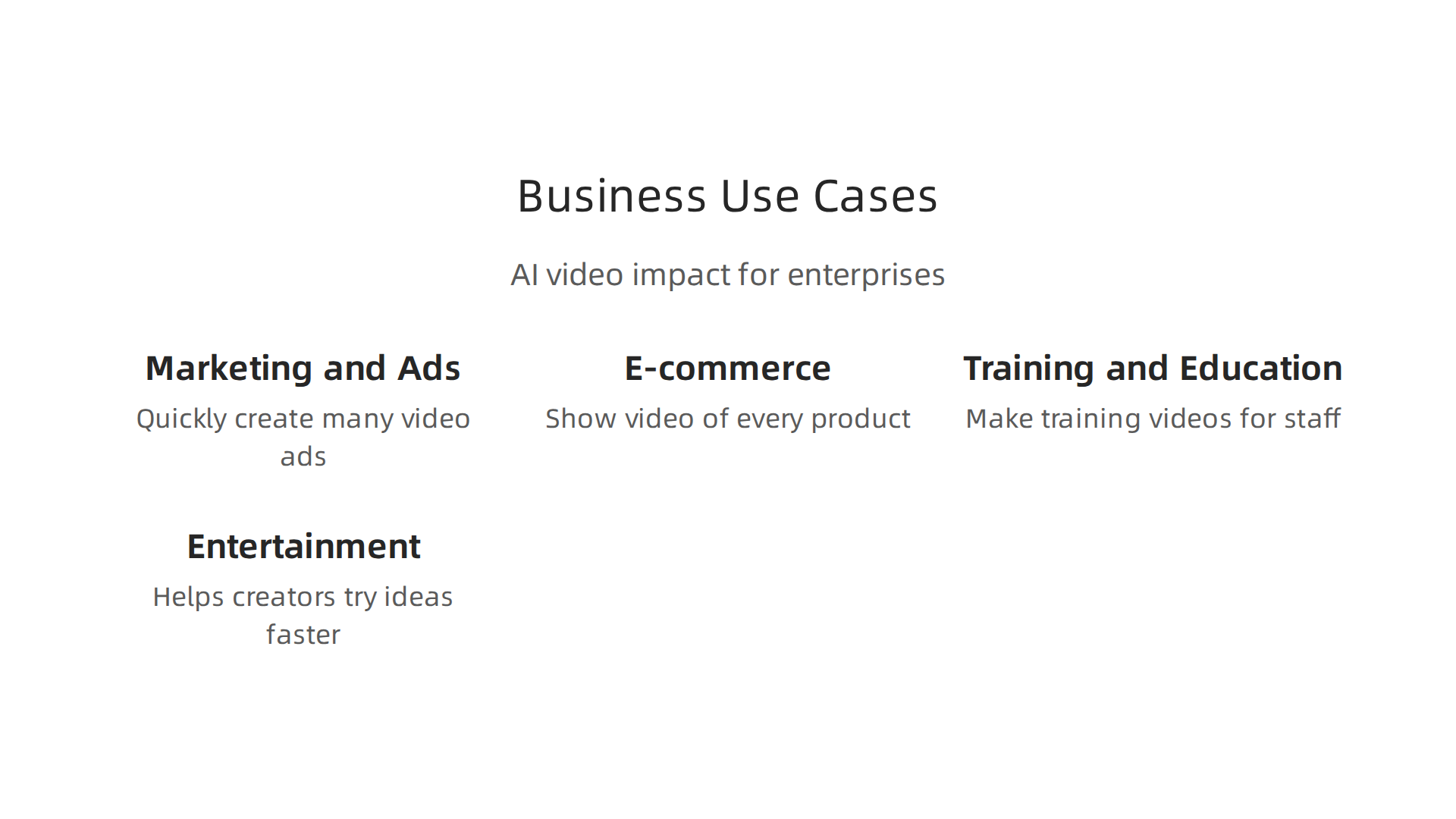
- Marketing and Ads: Companies can quickly create many different video ads for social media or websites. They can make videos that show their products with artificial intelligence imaging, or even make personalized ads for different groups of customers. This helps them reach more people and sell more things. In fact, many teams are now using AI video generation to turn articles or scripts into videos with visuals and voiceovers automatically, saving a lot of time and effort in 2026, as highlighted in a report on How Teams Are Using AI Video Generation in 2026.
- E-commerce: Imagine an online store that can show a video of every product from different angles, all created by AI. This helps shoppers see products better before they buy, which can mean fewer returns and happier customers. These tools can create rich pictures of artificial intelligence based on product descriptions, bringing items to life.
- Training and Education: Instead of hiring actors and film crews, companies can use text to video artificial intelligence to make training videos for their staff. They can also create educational content for customers, explaining how to use their products. This saves money and time while making sure everyone gets the right information.
- Entertainment: From quick animated clips to parts of larger movie projects, artificial intelligence with images is changing how content is made. It helps creators try out ideas faster and even helps make special effects more easily.
Overall, almost 9 out of 10 businesses are seeing a good return on their investment in video marketing, and AI tools are making this even more accessible, according to Video Marketing Statistics 2026 (12 Years of Data).
Measuring Success and Getting Started
For a company to know if these new AI tools are a good investment, they need to measure their success. This is called Return on Investment, or ROI.
Here’s how companies think about it:
- Cost Savings: How much money did they save by using AI to make videos instead of traditional methods? This includes saving on actors, equipment, editing, and even travel.
- Time Savings: How much faster can they create videos now? This means they can make more content in the same amount of time, or get new marketing campaigns out sooner.
- Better Engagement: Are more people watching the AI-generated videos? Are these videos leading to more sales or clicks? Metrics like watch time, click-through rates, and conversion rates are important to track. About 65% of companies plan to use AI video tools more in 2026, showing a clear belief in their value, based on 50+ AI Video Statistics for 2026.
Many businesses start with small "pilot" projects. They pick one area, like making social media ads, and try out text to video artificial intelligence there. They watch closely to see what works and what doesn’t. This helps them learn without spending too much money or changing everything at once.
To fully understand these market changes and how they might affect your enterprise’s strategic planning, it’s useful to know how to Filter Yahoo Finance News for Big Tech Market Insights Without the Noise.
What Makes It Hard to Use AI Video?
Even with all the benefits, using text to video artificial intelligence in a big company can have its hurdles:
- Skill Gaps: Not everyone knows how to use these new tools. Companies need to train their staff or hire new people with the right skills in artificial intelligence imaging.
- Content Validation: Sometimes, the AI might create something that isn’t quite right or doesn’t match the company’s brand. Businesses need to check and approve all content made by AI to make sure it’s perfect.
- Integration Complexity: Fitting new AI tools into a company’s existing computer systems can be tricky. It needs careful planning to make sure everything works together smoothly.
Despite these challenges, the ability of text to video artificial intelligence to quickly produce high-quality artificial intelligence with images and videos means more and more enterprises are adopting these tools in 2026. The benefits often outweigh the difficulties for those willing to learn and adapt.
Even with all the exciting new ways companies use text to video artificial intelligence, there are important things to think about. These include who owns what, making sure content is safe, and following new rules. It’s like building a tall building; you need a strong foundation and good safety plans.
Who Owns the Art? Intellectual Property Concerns
One big question for text to video artificial intelligence is about intellectual property, or IP. This means who owns the creations. When an AI model learns, it looks at huge amounts of existing pictures, videos, and texts. This could include copyrighted works.
So, if artificial intelligence with images creates a new video that looks a lot like something else, who owns it? Does the person who typed the prompt own it? Does the company that made the AI own it? Or does the original artist whose work the AI learned from have a claim? These questions are tricky. Companies need to be careful about the "pictures of artificial intelligence" they create to avoid problems.
Safety, Deepfakes, and New Rules
Another serious concern is safety, especially with something called "deepfakes." Deepfakes are very realistic fake videos, often made by artificial intelligence imaging, that can show people saying or doing things they never did. These can be used to spread false information or harm people’s reputations.
Because of these risks, governments and policymakers are paying close attention. They want to make sure these powerful tools are used responsibly. In 2026, we’re seeing more talk about how to keep AI-generated content safe and trustworthy. For example, some regulations are pushing for ways to identify AI-made content. The Deepfake Federal Regulation Act 2026 is one example of how laws are changing to handle these new technologies. Also, the EU AI Act in Europe has rules for companies that make generative AI.
How Companies Can Reduce Risks
To handle these challenges, companies are taking steps to be responsible:
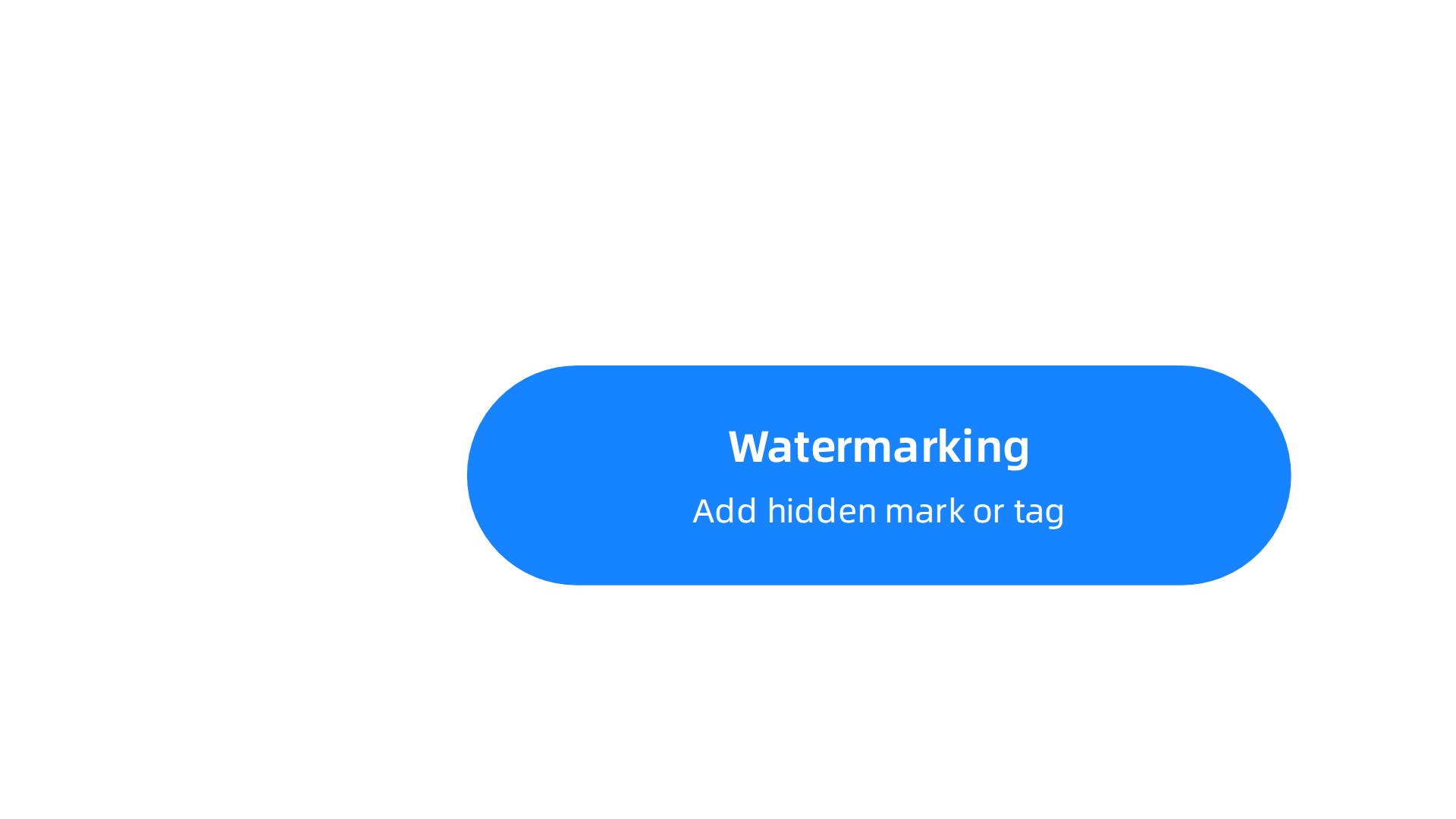
- Watermarking: This means adding a hidden mark or tag to artificial intelligence imaging content. This mark shows that the video or image was made by AI, not a human. Some governments, like the US, are even starting to require watermarking of synthetic content created for certain uses. The goal is to make it clear what is real and what is not.
- Provenance Data: This is like a birth certificate for content. It’s information about where a piece of content came from and how it was made. For AI videos, this could include details about the AI model used or the original text prompt. This helps create synthetic media policy to track content.
- Human Review: Even with AI, it’s important to have people check the content before it goes out. Humans can spot mistakes, make sure the content fits the company’s brand, and ensure it’s ethical and appropriate.
- Clear Policies: Companies need to set clear rules for how their employees use text to video artificial intelligence. This includes guidelines on what kind of content can be made, how it should be checked, and how to handle any issues that come up.
Understanding these risks and putting safeguards in place is very important for the future of text to video artificial intelligence. It helps ensure that these powerful tools are used for good and benefit everyone. For professionals tracking major platform companies and their strategic movements, including AI launches and regulatory pressures, it’s essential to stay informed.
Get clear daily AI updates from The AI Newsletter Worth Reading.
Summary
Text-to-video artificial intelligence converts written prompts into moving images using advanced multimodal generative models, and this article explains how it works, why it matters for businesses, and how to adopt it responsibly. It covers the core model types (diffusion, transformers, latent representations), the big data and compute needs for training and inference, and the evaluation methods used to judge quality, such as benchmarks, human review, and automated metrics. You’ll learn practical creative workflow applications—from rapid storyboarding and automated editing to compositing—and which tool types (API-first engines, full-production suites, editor plugins) fit different teams. The piece also outlines enterprise use cases (marketing, e-commerce, training, entertainment), how to measure ROI through cost and engagement metrics, and common adoption hurdles like skill gaps and integration complexity. Finally, it walks through the legal and safety concerns—intellectual property, deepfakes, watermarking and provenance—and offers steps companies can take to reduce risk while scaling their AI video efforts.